
Albanese and Chalmers Introduce Capital Gains Changes for Small Businesses
- June 17, 2026
- Posted by: Alex Reed
- Category: Related News
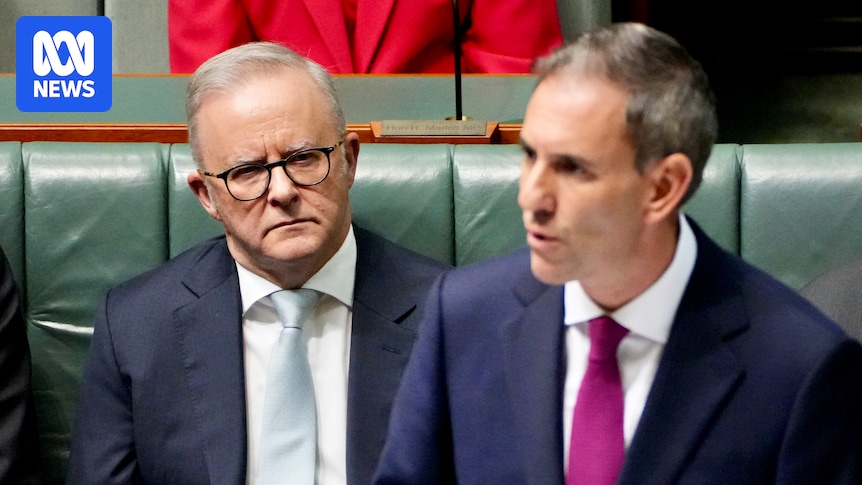
Founders and early investors in startups are getting a significant tax relief from the federal government. This move aims to support innovation and ease the concerns of small businesses worried about tax reforms.
Tax Break for Startups
The Australian government has announced an extension of the capital gains tax discount to support startups. This measure is designed to reduce the financial burden on founders, early investors, and employees of new companies. Previously, the 50% active asset discount was only available for businesses with annual turnover up to $2 million. Under the new proposal, this limit will rise to $10 million, allowing more small businesses to benefit.
This discount applies when a business or its assets are sold, offering up to 100% off the capital gains tax for qualifying startups. Treasurer Jim Chalmers mentioned that these changes aim to provide clarity and confidence to investors while incentivizing growth and innovation in small businesses. He acknowledged that tax reforms often face criticism but emphasized the necessity of these changes for real economic progress.
Consultations are ongoing to finalize the details for the startup carve-out. The government plans to keep the focus on “new, innovative” businesses, ensuring that tax benefits apply to them and enhance their ability to grow in a competitive market.
Tax Changes: Addressing Concerns with Trusts
Another significant development is the government’s decision regarding discretionary testamentary trusts. Initially included in a proposed 30% tax, these trusts allow for flexibility in income distribution among beneficiaries. Concerns arose, suggesting this could be viewed as a “death tax,” particularly as testamentary trusts activate upon the death of an individual.
To address these concerns, Chalmers announced that the government would create anti-avoidance rules instead of applying the 30% tax to testamentary trusts. This approach aims to protect against tax evasion while alleviating fears about the potential burden on families dealing with estates.
Moreover, the government plans to limit the discretion previously granted to the Treasurer regarding how different tax definitions would be applied. This move responds to concerns from parties like the Greens, who argue for clearer and more consistent legislation.
Ongoing Tax Reform Efforts
The proposed tax changes are part of a larger effort to reform the tax system. Chalmers noted the importance of consultations and discussions with various stakeholders to ensure that the reforms are beneficial while avoiding unintended consequences. This careful approach is inspired by previous government experiences with tax reforms, showing that collaboration usually leads to better outcomes.
As this process continues, amendments are expected to be introduced in the upcoming parliamentary sessions. The goal is to establish robust principles guiding the legislation, making it clearer how changes will affect different entities and individuals involved.
What this means for you
Keeping informed about tax changes can significantly impact your financial decisions, especially if you’re a small business owner or investor. Understanding the fine print in documents related to tax reforms or agreements can be overwhelming. If you ever need to review tax-related documents, legal-document-to-plain-english-translator/”>AI legalese decoder can translate it into plain English in seconds.
Need to decode legal language? Try the free AI Legalese Decoder — no registration required.

 ****** just grabbed a