
Alaska Supreme Court Rules Challenger Can Appear on Ballot Against Sullivan
- June 29, 2026
- Posted by: Alex Reed
- Category: Related News
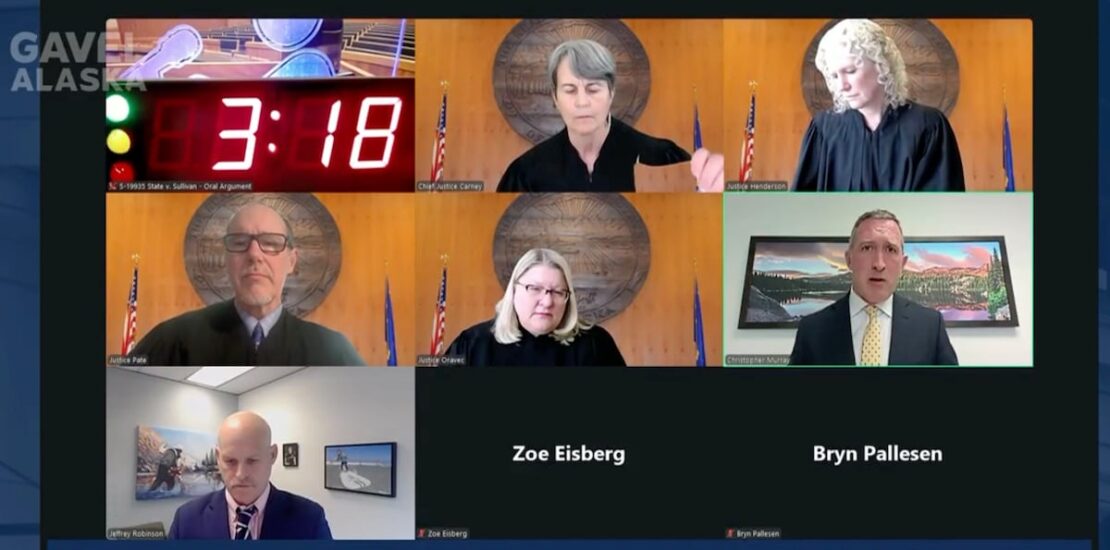
Three hours after oral arguments were heard, the Alaska Supreme Court ruled in favor of Dan J. Sullivan, allowing him to appear on the ballot for the upcoming primary election. This decision is significant as it influences the political landscape in Alaska, potentially affecting all voters in the state.
Background of the Challenge
The case centers around Dan J. Sullivan, a 70-year-old retired teacher from Petersburg. He registered to run for the U.S. Senate in late May and sought to appear on the ballot as a Republican. This raised eyebrows because he had not identified as a Republican for over 40 years, prompting concerns from both the Alaska Republican Party and the incumbent senator, Dan S. Sullivan. They allege that the challenger’s candidacy may be a political strategy designed to confuse voters and benefit the Democratic campaign led by Mary Peltola.
In June, the Alaska Division of Elections declared the Petersburg Sullivan ineligible to run, asserting that his candidacy was not filed in good faith. The accusation was based on complaints that his run was encouraged by Democrats to siphon votes from the Republican incumbent. However, Dan J. Sullivan contends that he is running to address what he perceives as the incumbent’s failures.
The Supreme Court’s Ruling
On Monday, the Alaska Supreme Court decided to uphold a previous ruling by Judge Thomas Matthews, ensuring that the challenger would appear on the Aug. 18 primary ballot. While the ruling made it clear that Sullivan could run, it also indicated that the Alaska Division of Elections was tasked with figuring out how he would be listed on the ballot. This is crucial as both Sullivans share the same name.
The Supreme Court’s ruling was quick. Justices noted the need for clarity regarding how candidates are distinguished on the ballot, especially in a case where voter confusion could be significant. A full opinion from the court is expected later, clarifying the reasoning behind their decision and the implications for future elections.
Potential Impact on the Election
The implications of this ruling are wide-ranging. The Alaska Division of Elections will have to navigate existing laws to distinguish between Dan J. Sullivan and Dan S. Sullivan effectively. State regulations typically require using middle initials to prevent confusion among candidates with the same name. However, determining the details could be complex, especially since the election is approaching fast, with a looming deadline for printing ballots.
Sen. Dan S. Sullivan’s campaign expressed disappointment with the ruling, and both the state and the Alaska Republican Party indicated they would rely on the Division of Elections to ensure that voters can differentiate between the candidates. legal experts have pointed out that the case has garnered national attention, as it could have implications for the balance of power in the Senate.
In this contentious environment, Dan J. Sullivan plans to set up a fundraising committee to support his campaign, which he claims is essential for covering campaign costs and attorney fees.
legal Authority and Election Integrity
The heart of the case lies in legal arguments surrounding the authority of the Alaska Division of Elections. During court proceedings, questions arose about whether the division had the right to disqualify the challenger based on intents perceived to confuse voters. The concept of determining a candidate’s intentions has been challenged, as it could open up too many subjective interpretations.
The Alaska law allows candidates to switch party affiliation, thereby complicating the situation. The court’s guidance on how to interpret and enforce these legal provisions will be critical as Alaska heads toward its primary election.
legal discussions illuminated whether protecting voter integrity justified the disqualification of candidates deemed to have questionable motives. As legal representatives from both sides expressed varying interpretations of election laws, voters were left waiting to see how the situation would unfold.
What this means for you
This case exemplifies how political decisions can affect elections and ultimately your vote. As an informed voter, understanding ballot processes is crucial. If you ever need to review documents related to elections or candidacy, legal-document-to-plain-english-translator/”>AI legalese decoder can help you decode the fine print into plain English. Stay informed about how political dynamics influence your electoral choices!
Need to decode legal language? Try the free AI Legalese Decoder — no registration required.

 ****** just grabbed a