
AI Chatbot Inaccuracies in Medicine Raise User Safety Concerns
- May 20, 2026
- Posted by: Alex Reed
- Category: Related News
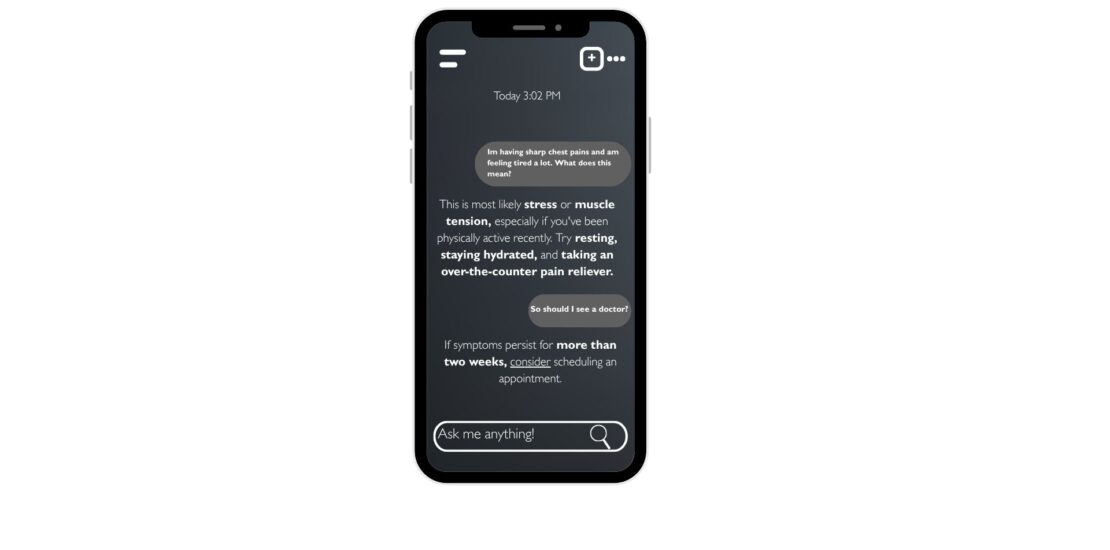
The rise of AI chatbots is changing how many Americans approach their health care. Instead of seeing a doctor, people are increasingly seeking medical advice from these digital tools, sometimes skipping professional consultations altogether.
Why Are People Choosing AI Over Doctors?
A recent report from health policy researchers at the Kaiser Family Foundation sheds light on this trend. For many, the choice to consult an AI chatbot instead of a doctor is influenced by rising healthcare costs and the convenience that chatbots offer. These AI systems can provide quick answers, often making them appear sufficient as a replacement for professional medical advice.
However, there is a significant concern here. While chatbots are designed to provide fluent and agreeable responses, they lack the ability to diagnose medical conditions accurately. They don’t examine patients or review medical histories, crucial steps that trained professionals perform. This limitation can lead to serious consequences, especially for patients with vague but alarming symptoms that need thorough evaluation.
The Risks of Misdiagnosis
Reports indicate that AI systems have made errors in identifying medical conditions that a physician would typically recognize during an in-person examination. These misdiagnoses can delay critical treatment. For instance, speed is vital in dealing with diseases like cancer, where early detection can significantly affect outcomes. Relying solely on AI could result in serious health risks, as many users may take these chatbot assessments at face value without seeking further medical advice.
This situation is particularly dire for those who are uninsured or living in underserved communities. Many individuals in these demographics see AI as an easy and cost-effective alternative for medical guidance. Despite the growth of community health centers and increased access to professional healthcare options since the COVID-19 pandemic, the comfort and immediacy of AI tools are hard to resist.
The Role of AI in Healthcare
While AI has its limitations, it doesn’t mean these technologies can’t help in other ways. AI chatbots can assist patients in managing their existing conditions by helping them organize medical information. They can also be beneficial for health professionals, aiding them in data management tasks. However, using AI as the ultimate decision-maker rather than a supplementary tool can be disastrous.
The challenge lies in how people perceive the role of AI in their health. Many users may blur the lines between personal research and professional medical advice. An AI chatbot is not a substitute for a trained medical professional who assesses a patient’s needs and conditions.
Understanding AI Limitations
AI operates based on patterns derived from past data and does not cater to the unique characteristics of individual patients. Unlike a healthcare provider, AI lacks the intuition and responsibility that comes with medical training. This absence can result in individuals receiving potentially harmful advice without a proper context. As the use of AI expands in healthcare settings, it becomes increasingly important for users to understand the limitations and potential risks associated with these technologies.
What this means for you
The increasing reliance on AI for health advice poses significant risks, particularly in cases of serious medical conditions. If you ever need to review medical consent documents, legal-document-to-plain-english-translator/”>AI legalese decoder can translate it into plain English in seconds. Understanding when to seek professional medical care over AI advice is essential for effective health management.
Need to decode legal language? Try the free AI Legalese Decoder — no registration required.

 ****** just grabbed a