
Fire at Dominican Republic Resort Claims Life of Italian Tourist
- June 20, 2026
- Posted by: Alex Reed
- Category: Related News
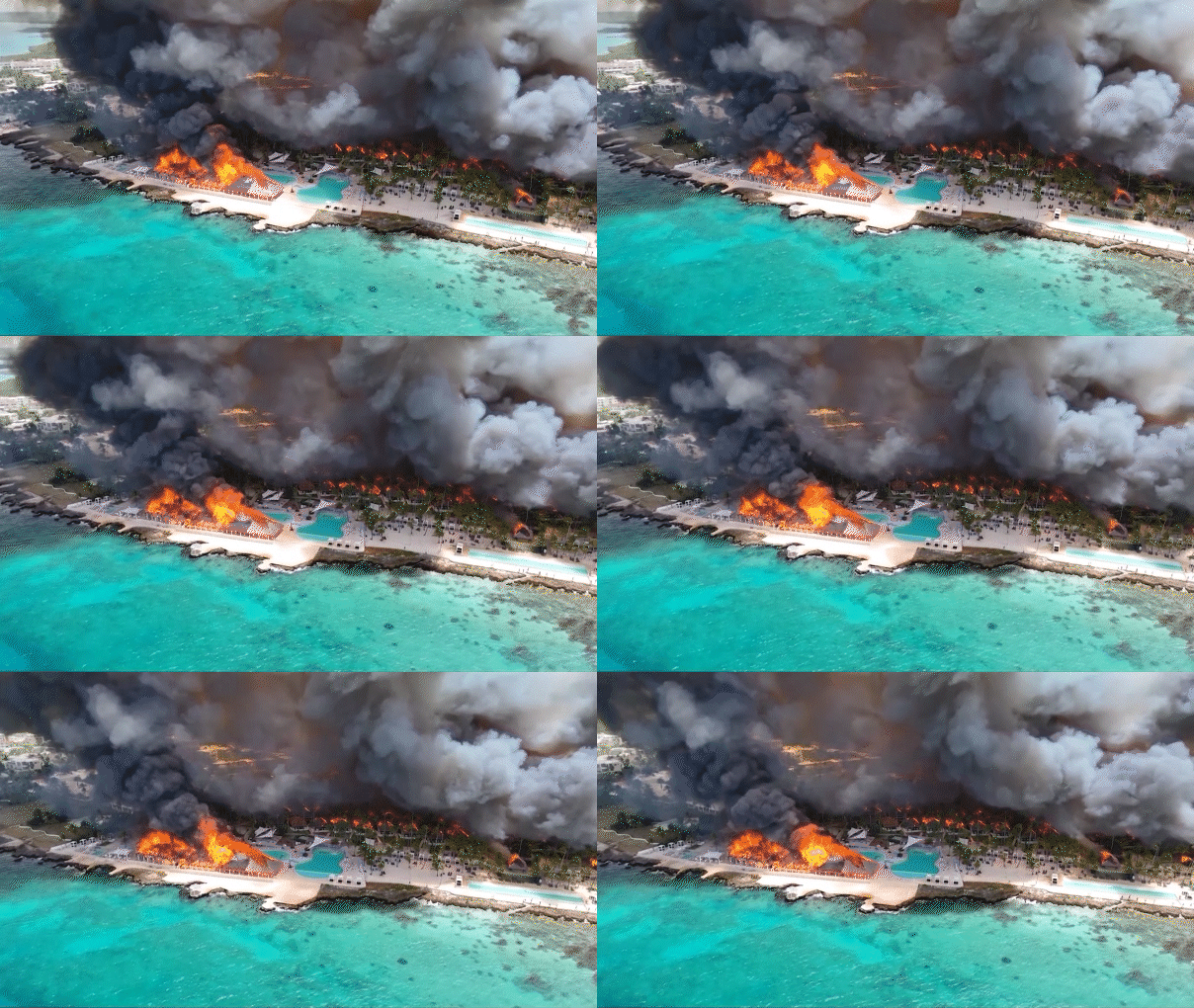
At least one tourist has died and several others have been injured following a significant fire at a popular resort in the Dominican Republic. This tragic incident highlights the importance of safety regulations in places where countless vacationers escape for relaxation and fun.
The Disaster at Viva Wyndham Dominicus Beach Hotel
A fire broke out on Friday at the Viva Wyndham Dominicus Beach Hotel in Bayahibe, leading to the death of Francesca Valentino, a 46-year-old Italian tourist. Authorities reported that at least nine other guests received medical attention, with three being transported to separate facilities for further care. The hospitalizations underscore the urgency of ensuring safety in tourist accommodations.
In response to the fire, authorities evacuated around 1,690 tourists from the area. A video from the scene showed thick clouds of smoke erupting from the beachfront buildings, darkening the stunning turquoise waters typically synonymous with the Dominican Republic. Eyewitness reports and drone footage captivated the intensity of the blaze, a reminder that even paradise can face catastrophe.
Details Surrounding the Fire’s Origin
Initial assessments by local officials indicate that the fire spread rapidly, largely due to the flammable materials used in parts of the hotel’s roof, which were constructed from palm. Wind conditions further fueled the flames, making it difficult for emergency responders to control the situation. This combination of factors raises questions about safety protocols in the construction and maintenance of such establishments.
Despite the chaos, the Dominican Republic’s Emergency Operations Center (COE) assured the public that tourist activities in Bayahibe and surrounding areas remain unaffected. Other nearby hotels, including the Viva Wyndham Dominicus Palace, were reportedly unharmed and prepared to accommodate evacuated guests.
The Aftermath and Ongoing Investigations
Images of the devastation reveal a charred section of the hotel, with firefighters battling the smoldering ruins. As investigations continue, local authorities will need to assess whether all safety regulations were followed. Such inquiries are crucial for protecting future visitors and preventing similar tragic events.
In the wake of the incident, it serves as a stark reminder of the need for travelers to be aware of the conditions in their accommodations. While the incident is tragic, it does not deter everyone from choosing Bayahibe as a vacation destination. Conditions are normalizing, with many activities available for tourists looking to enjoy the local scenery and culture.
What this Means for You
This incident serves as a crucial reminder to stay informed about the safety measures at hotels and resorts before travel. If you ever need to review hotel terms or safety policies, legal-document-to-plain-english-translator/”>AI legalese decoder can help you translate it into plain English in seconds. Understanding these details can help ensure a safe and enjoyable travel experience.
Need to decode legal language? Try the free AI Legalese Decoder — no registration required.

 ****** just grabbed a