
Stay Ahead: Key Business News and Trends You Need to Know
- June 6, 2026
- Posted by: Alex Reed
- Category: Related News
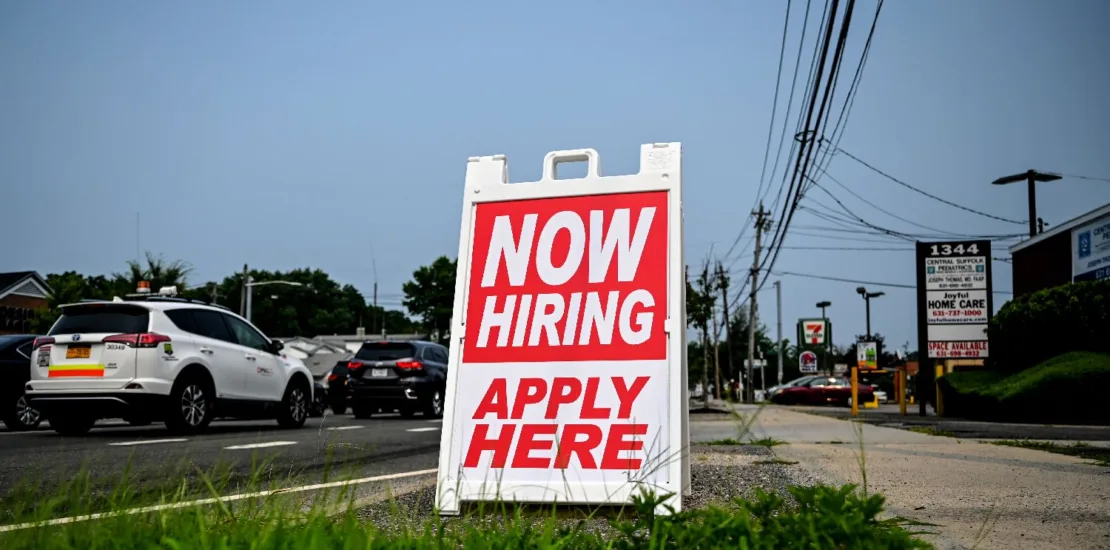
Investors and everyday workers alike should pay attention to recent job market developments. A significant increase in job numbers could impact interest rates and financial stability, affecting us all. Understanding these trends can help you navigate potential changes in your everyday life.
Job Growth Surprises Analysts
The U.S. Labor Department reported that the country added 172,000 jobs in May. This figure exceeded expectations, which had anticipated around 80,000 new jobs. This increase suggests a robust job market, slowly recovering from earlier downturns influenced by factors such as inflation and rising oil prices. The news is another signal of ongoing economic resilience despite concerns about inflation and the growing role of artificial intelligence in various sectors.
Revisions for earlier months also show good news. Jobs added in March increased by 29,000 to reach 214,000, while April’s numbers were revised up by 64,000 to 179,000. This raises the three-month average to 188,000 jobs created, marking a two-year high.
So, where did most of these new jobs come from? The leisure and hospitality sectors saw the largest surge, with 70,000 positions added due to events like the FIFA World Cup. This surge fuels hiring in venues such as restaurants and hotels, reflecting the event’s impact across 11 U.S. cities.
Concerns Amid the Good News
While the job numbers look promising, not everything is rosy. Unemployment remained at 4.3%. More troubling, the proportion of people without jobs for 27 weeks or more rose to 27.5%, the highest rate since December 2021.
In terms of earnings, average hourly wages increased by 3.4% year-over-year. However, while wages rose, inflation rose by 3.8% over the same period, causing low-income Americans to feel the pinch in their budgets. These twin pressures of rising prices and stagnant wages can pose challenges for many households.
Looking forward, the strong job report paired with ongoing inflation concerns may lead to interest rate hikes by the Federal Reserve, rather than cuts. Such a move could impact everything from loan rates to everyday consumer spending habits.
Market Response to Economic Shifts
The stock market reacted negatively to the news. Investors, concerned about prolonged inflation, pushed the S&P 500 down, snapping a nine-week winning streak. The Nasdaq experienced its most significant drop since April 2025. Chipmakers bore the brunt of this decline, with prominent companies like Nvidia, AMD, Micron, and Intel witnessing substantial share price drops.
The Federal Reserve will closely monitor these job and inflation trends. A potential quarter-point interest rate hike is now on the table, a concern for many investors. If rates rise, borrowing costs could increase for everyday consumers as well, driving home purchases, car loans, and credit card interest rates higher.
What This Means For You
Understanding these labor market trends is crucial for everyone, not just investors. You might feel the effects in your paycheck and savings. Keep an eye on how changes in interest rates could influence loans and credit cards in the coming months. If you ever need to review employment contracts or financial agreements, legal-document-to-plain-english-translator/”>AI legalese decoder can help you translate them into plain English in seconds.
Need to decode legal language? Try the free AI Legalese Decoder — no registration required.

 ****** just grabbed a