
Iran’s Leader Commits to Safeguarding Nuclear and Missile Assets
- April 30, 2026
- Posted by: Alex Reed
- Category: Related News
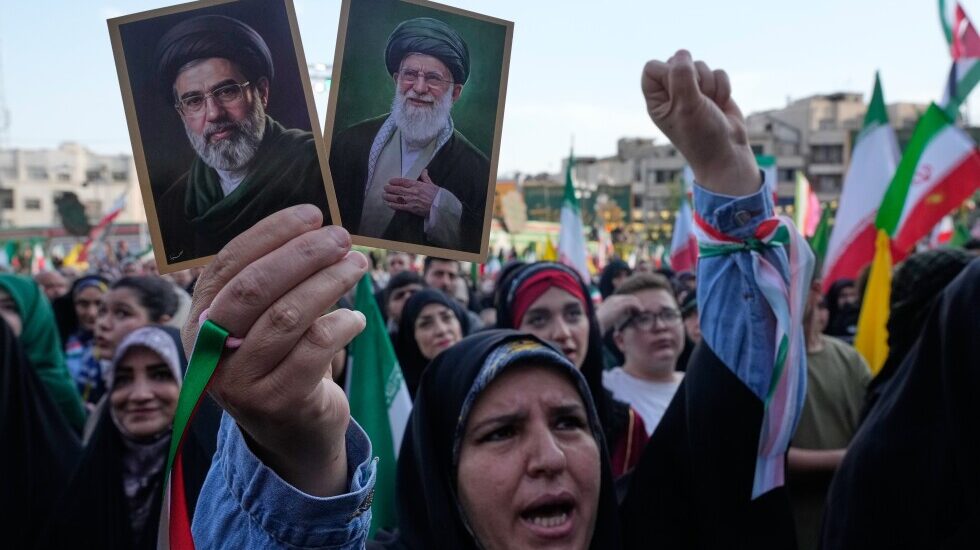
Iran’s recent actions and statements have significant implications not just for regional politics, but also for global markets and everyday life. As tensions escalate between Iran and the United States, people around the world could feel the impact in their wallets—especially when it comes to fuel prices.
Khamenei’s Bold Statements on Nuclear Ambitions
Iran’s Supreme Leader, Ayatollah Khamenei, has made it clear that the country will not back down on its nuclear and missile developments. During a recent address, he claimed that the only place for Americans in the Persian Gulf is “at the bottom of its waters,” signaling a firm stance against U.S. pressures. His comments come as Iran grapples with a struggling economy, largely affected by a U.S. blockade limiting its oil exports. This blockade impacts the global oil market, as a significant portion of the world’s crude oil flows through the Strait of Hormuz, which Iran has authority over.
The oil market is feeling the pressure, with prices spiking. As Iran maintains its grip on shipping routes, global oil supply is at risk of disruption. This situation has prompted American officials, including President Trump, to devise new strategies to ensure the free flow of oil through these crucial waterways. Such developments could ultimately lead to higher fuel prices worldwide, affecting consumers directly.
U.S. Military Strategy and International Cooperation
In response to the rising tensions, the U.S. is enhancing its military strategy in the region. The Trump administration has called for international cooperation to support a “maritime freedom construct.” This initiative aims to safeguard shipping routes in the Strait of Hormuz by coordinating actions among allied nations while maintaining their blockade on Iranian ports. The State Department has even reached out to U.S. embassies worldwide, seeking bolstered support in this idea.
Many countries view Iran’s recent moves as aggressive and a violation of international law. The U.S. now emphasizes that its actions will focus on ensuring navigational rights for all countries and holding Iran accountable for its attempts to disrupt commerce.
Internal Challenges in Iran
Amid this external pressure, Iran is also dealing with serious internal problems. The government has recently intensified its crackdown on dissent, leading to numerous executions following nationwide protests. These harsh measures are reportedly a response to unrest surrounding the U.S.-Israel conflict involving Iran.
Khamenei has indicated that Iran’s identity, including its technological capabilities such as its nuclear program, is non-negotiable. He referenced what he sees as Iran’s rights to control the Strait of Hormuz, despite international condemnation and claims of piracy from Gulf nations.
Global Security Concerns and Ongoing Tensions
The situation extends beyond just Iran and the U.S. The conflict has brought fresh instability to neighboring regions like Lebanon, where Iranian-backed Hezbollah continues to clash with Israeli forces, despite ongoing ceasefire agreements. The U.S. has responded by tightening travel restrictions on its citizens to these areas, illustrating the increasing complexity of the geopolitical landscape.
As conditions remain tenuous, both regional and global security hang in the balance. The implications could affect various sectors, ranging from energy to international trade, illustrating how interconnected our modern world is.
What this means for you
The heightened tensions between Iran and the U.S. could directly impact consumer costs, particularly for fuel. Additionally, you might encounter new policies or agreements affecting shipping and trade in your everyday life. If you ever need to review a terms of service agreement or other related documents, legal-document-to-plain-english-translator/”>AI legalese decoder can translate it into plain English in seconds.
Need to decode legal language? Try the free AI Legalese Decoder — no registration required.
Source: https://apnews.com/article/iran-us-gulf-khamenei-5cbf26dc89ce5e868e414320178f4c1b

 ****** just grabbed a