
Trump announces three-week extension for Israel-Lebanon ceasefire
- April 24, 2026
- Posted by: Alex Reed
- Category: Related News
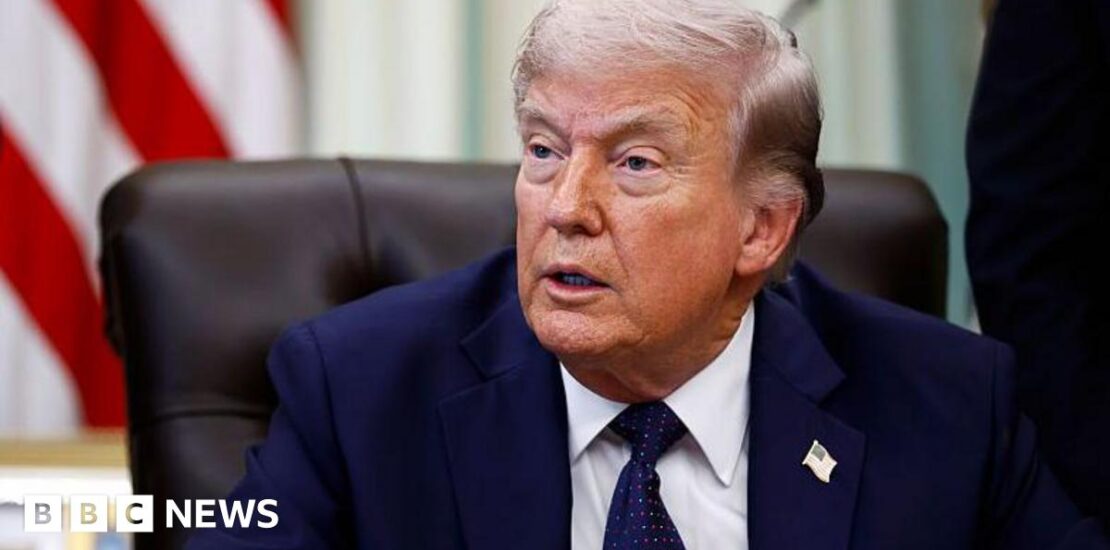
Lebanon’s recent ceasefire is a glimmer of hope in a region plagued by violence. While it aims to stop Israeli airstrikes, many Lebanese feel it hasn’t truly ended the conflict, highlighting the complexities of the ongoing Israeli-Hezbollah tensions.
Ceasefire in Limbo
Lebanon’s government has prioritized halting bloodshed, and the ceasefire agreement, which is now extended for an additional three weeks, is their latest effort. However, many in Lebanon believe that while there might be a pause in fighting, the war is far from over. The underlying issue remains: Israel still conducts airstrikes in Lebanon, citing security threats primarily posed by Hezbollah, the Lebanon-based militia party backed by Iran.
These airstrikes are seen by the Israeli military as necessary responses. Meanwhile, Hezbollah has been retaliating with rocket and drone attacks against Israeli forces stationed along the border. In this complex chess game, ordinary citizens in Lebanon bear the brunt of violence and instability. Life continues to be fraught with danger, as the constant threat of renewed hostilities lingers.
Territorial Constraints
Currently, Israeli troops occupy around 5% of southern Lebanon. There is no clear timeline for their withdrawal, as Israeli officials aim to establish what they call a “security buffer zone.” This situation has instilled fears in local residents that their homes may become permanently inaccessible, similar to the devastation seen in parts of Gaza. Images emerging from the region show widespread destruction, raising concerns regarding the long-term impacts on communities and families.
The presence of foreign military forces is not only a political issue but also a daily reality that complicates the lives of many Lebanese. With continuous airstrikes and occupation, peace feels like a distant dream for those affected.
International Involvement
The international community is watching the developments closely, particularly with the involvement of President Trump. His administration is reportedly focused on facilitating a lasting agreement between Lebanon and Israel. While this could be an opportunity for peace, obstacles remain significant. One of the most pressing matters is the future of Hezbollah’s arsenal.
The Lebanese government seeks to engage in discussions about disarming Hezbollah, a task complicated by the group’s deeply entrenched position within the country’s political landscape. Despite widespread support among the Lebanese for disarmament, the government has ruled out the use of force to achieve this goal, recognizing the risk of escalating violence. Hezbollah, unmoved by these diplomatic overtures, has shown no interest in discussing the future of its arms.
What This Means for You
The ongoing conflict and ceasefire in Lebanon serve as a reminder of how global issues can impact local lives. It illustrates the complexity behind peace efforts and the obstacles that can arise even with international attention. If you ever need to review documents such as international agreements, AI legalese decoder can decode the fine print to help you understand the terms better.
Need to decode legal language? Try the free AI Legalese Decoder — no registration required.

 ****** just grabbed a