
Six AI Agents Compete to Transform Your Business Operations
- May 11, 2026
- Posted by: Alex Reed
- Category: Related News
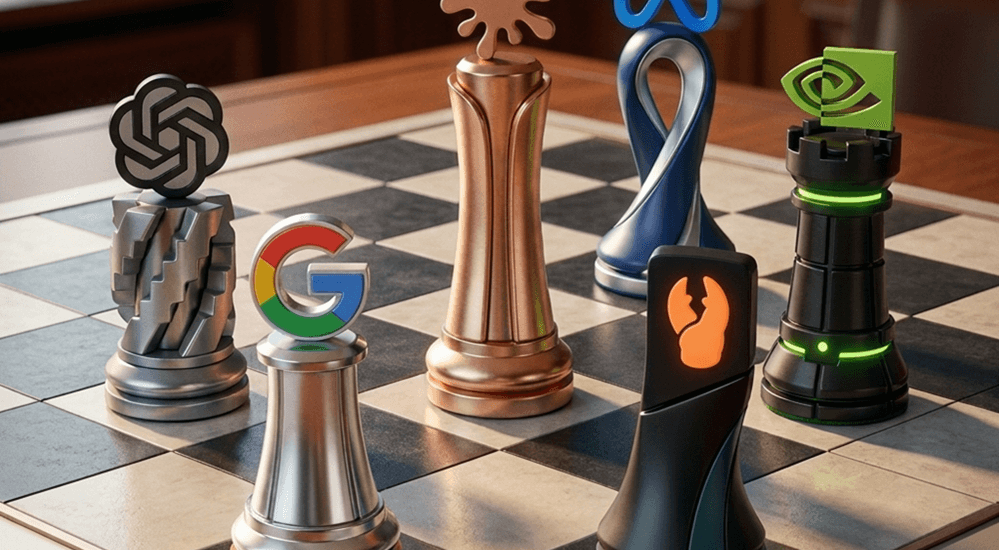
This story affects small and medium businesses in Australia by showcasing crucial AI technologies that can significantly impact their operations and expenses. Understanding these options can help business owners make informed choices, saving them money and improving efficiency.
The Rise of AI Agents
AI technology is rapidly evolving, and several companies are offering solutions targeted at Australian small and medium enterprises (SMEs). There are six key players shaping the marketplace, divided into three main categories: established commercial AI firms, tech giants, and open-source alternatives. Each of these options comes with different costs, benefits, and terms that businesses should consider carefully.
The established players include companies like Anthropic and OpenAI. Anthropic offers Claude Cowork, recognized as one of the leading AI models in the market. In Australia, the pricing for Claude’s entry-level tier is about A$30 per month, which increases to A$300 for higher usage. OpenAI provides similar offerings and is flexible with subscriptions, allowing use across different platforms.
Then we have tech giants like Meta and Google, which are entering the space with products like Meta’s “Hatch” and Google’s “Remy.” While details on pricing and availability remain vague, preliminary reports suggest that these options may be free or low-cost, supported by advertising or premium tiers in the future. Each of these commercial solutions can provide significant convenience, especially for non-technical users.
Open-Source Alternatives
In contrast to commercial AI solutions, open-source platforms like OpenClaw and NVIDIA’s NemoClaw are also available. OpenClaw is free to download, meaning the only costs come from the necessary hardware and optional paid AI models. A typical monthly setup cost for small businesses can range from A$20 to A$40. This option allows for more control and fewer ongoing expenses, making it appealing for some business owners.
NemoClaw aims to provide an enterprise-friendly version of OpenClaw, focusing on additional security features. Currently in alpha testing and free for early partners, its expected pricing is still unconfirmed, but it is likely to aim at larger enterprise clients.
When comparing costs over three years, the financial implications become clearer. For instance, three years on a higher-tier service from either Claude or ChatGPT can reach around A$10,800 for single users, while an entire team of five could end up costing over A$54,000. OpenClaw, however, with its minimal hardware costs, can drop that total to between A$3,500 and A$5,500 for the same five-person team.
Tax Considerations and Supply Issues
Australian businesses need to consider certain tax implications when choosing AI solutions. One notable factor is the “Australia tax,” which adds a markup to products priced in US dollars. Therefore, an item that costs US$200 can end up costing significantly more due to currency exchange and regional pricing strategies.
Another crucial consideration is the instant asset write-off. The Australian government is expected to confirm a permanent $20,000 instant asset write-off for small businesses. This allows businesses to deduct genuine hardware purchases made under this limit in the year they’re bought, providing additional financial benefits for choosing the right hardware now.
However, the supply of necessary hardware like the Apple Mac Mini, which is favored for running open-source AI solutions, is currently limited. High demand for these products has led to substantial delays. As confirmed by Apple’s CEO, businesses looking to implement open-source solutions may encounter challenges due to this supply issue.
Understanding Long-Term Implications
The decision of which AI solution to adopt goes beyond immediate cost. Each option presents different risks and considerations that can significantly affect daily operations. For instance, once a team gets used to a specific AI tool, switching to another can be complicated. Data ownership is also a concern: proprietary solutions may hold onto valuable information generated over time, complicating future migrations.
Additionally, pricing structures in the AI market are still not settled. Companies can abruptly change costs, which can catch customers off guard. By relying on open-source solutions, businesses can maintain greater control over their data and workflows, even if it may require more initial effort.
What this means for you
As a business owner, it is crucial to evaluate the costs and benefits of AI solutions thoroughly. Consider how each choice aligns with your financial strategy and operational needs. If you ever need to review contracts or terms of service related to these tools, legal-document-to-plain-english-translator/”>AI legalese decoder can help you understand the fine print quickly. Being informed will empower you to make decisions that ultimately benefit your business and boost your bottom line.
Need to decode legal language? Try the free AI Legalese Decoder — no registration required.

 ****** just grabbed a