
Asian Stocks Rise as Wall Street Hits Record and Oil Stabilizes
- April 15, 2026
- Posted by: Alex Reed
- Category: Related News
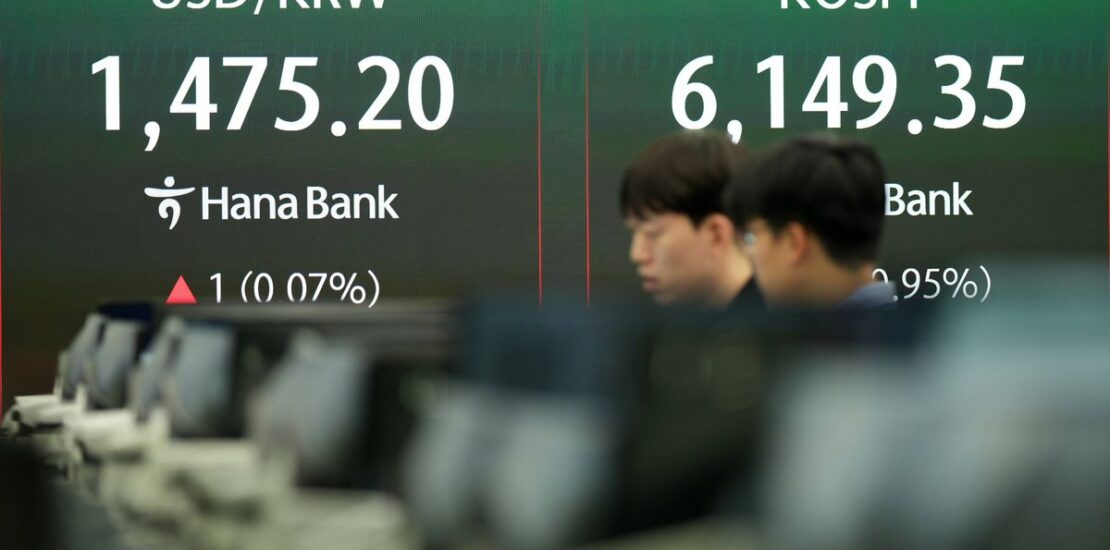
Asian stock markets are reacting positively following a time of uncertainty, largely due to a steadying of oil prices and improving global conditions. Understanding these factors is essential since they can influence everything from your job security to your savings.
What’s Driving Market Optimism?
Markets in Asia have shown mostly positive movements, inspired by recent developments in the United States and the oil sector. Investors are encouraged by news of a potential extension of a ceasefire in the ongoing Iran war, which has raised hopes for greater stability in oil markets. Lower tensions often lead to more favorable conditions for trade, which can impact economies across the globe.
The situation is also influenced by upcoming talks between U.S. officials and Iranian representatives. These discussions aim to address ongoing political and economic issues that have far-reaching effects, not just in the Middle East but also on global oil supplies and prices. For many people, fluctuations in these markets can affect everything from gas prices to the overall cost of living.
Wall Street’s Influence
The boost in Asian markets can also be traced back to Wall Street’s recent performance. A record high in stock prices has created a ripple effect, improving investor sentiment not only in the U.S. but also across Asia. When American investors are optimistic, it often encourages investments in Asia, which rely on flow of capital to support growth and development.
This upward movement in stocks creates a sense of wealth that can influence consumer behavior. When people feel financially secure, they tend to spend more, which in turn stimulates economic growth. This interconnectedness of global markets explains why such developments across the globe matter to everyday people.
Oil Prices Steadying
Oil prices have stabilized, greatly aiding investor confidence. Oil is a critical component of many economies, and its price impacts numerous sectors, including transportation and manufacturing. When oil prices rise or fall dramatically, it can lead to changes in everyday costs, like heating and gasoline.
As traders anticipate stability, they are likely to make more investments, which can further drive market performance upward. For the average person, this means that factors like job security and household expenses could improve as companies navigate a more favorable market environment.
Global Changes Ahead
The overall sentiment is one of cautious optimism. As discussions between major powers continue and the potential for peace grows, many believe we are entering a phase of renewed economic growth. However, it’s essential to remain alert to how these events unfold, as unexpected disruptions can lead to rapid changes in the market.
For the average person, this environment can lead to more job opportunities and economic benefits. However, it’s crucial to be aware of how international politics can affect local economies. Understanding the broader economic landscape is vital for making informed decisions, whether in investments or everyday spending.
What this means for you
For individuals, current market trends can offer a glimpse into future job stability and financial growth. Keeping abreast of how these factors could affect your employment and expenses can be beneficial. If you ever need to review employment contracts or similar documents, legal-document-to-plain-english-translator/”>AI legalese decoder can translate it into plain English in seconds.
Need to decode legal language? Try the free AI Legalese Decoder — no registration required.

 ****** just grabbed a