
China’s World Bank Exit Highlights Concerns for Green Finance
- July 6, 2026
- Posted by: Alex Reed
- Category: Related News
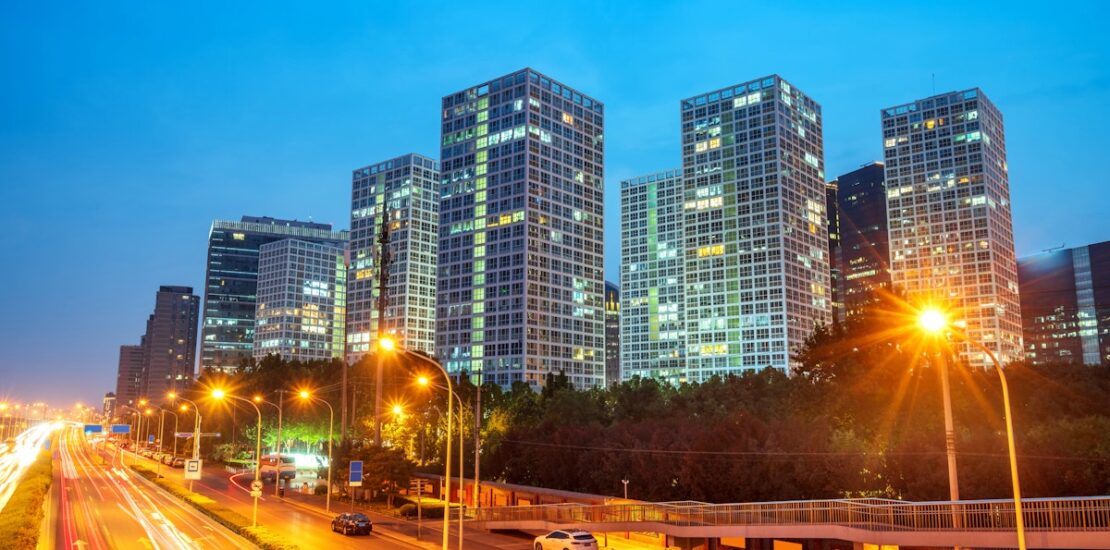
The World Bank’s decision to phase out lending to China by 2031 is a significant shift that could affect economies around the world. This change reflects China’s growing status as the world’s second-largest economy, emphasizing that financial dynamics are changing in ways that could impact everyday people globally.
China’s Evolving Financial Landscape
The World Bank has historically lent substantial amounts to China, with commitments reaching approximately $69.7 billion across 452 projects as of June. However, as new loans decline, experts point out that this shift is not just about China but the broader implications for the World Bank’s strategy. Christoph Nedopil Wang, a professor at the University of Queensland, suggests that this could mean a shrinking balance sheet for the World Bank, which may limit funds available for lower-income countries.
Nedopil Wang emphasizes the need for these countries to enhance their ability to manage capital and ensure strong economic growth. This is essential as it dictates how much debt a country can reasonably sustain compared to its overall economy, a measure known as the debt-to-GDP ratio.
The World Bank’s lending policies may also require revision, particularly in how they assess debt sustainability. Countries with solid trade relations and robust growth might be able to handle more borrowing, which could benefit them in the long run.
Global Shifts in Lending Patterns
Experts note that this retreat in lending to China is not unexpected. Many financial institutions have been adjusting their strategies based on China’s impressive growth trajectory. According to Nedopil Wang, the implications of this change are more pronounced for the World Bank than for China, which possesses a strong domestic financial market capable of absorbing significant capital.
Research associate Peter Chang discusses this transition as a “formal acknowledgment of a new world order.” With China stepping back as a borrower, the World Bank can allocate more resources to low-income countries but warns that this won’t generate new funds.
Middle-income nations like Malaysia face unique challenges during this transition. As the World Bank shifts its focus, these countries risk slipping into a “missing middle”—not poor enough for favorable loans but not rich enough to rely solely on market options.
Complications and New Directions
The World Bank’s recent decisions coincide with a growing concern over climate targets. The organization announced its intent to move away from explicit climate objectives. This decision has raised eyebrows regarding the influence of climate considerations in future lending decisions. Nedopil Wang points out that the lack of a clear focus on climate factors could impact capital allocation tied to environmental goals.
Despite these changes, he reassures that countries advocating for climate projects can still secure World Bank support, provided their plans are well-structured. Chang echoes this sentiment, highlighting it as a warning for nations vulnerable to climate risks yet viewing it as not entirely detrimental.
He emphasizes that countries such as Malaysia must proactively mobilize their own green financing and prioritize climate resilience instead of waiting for increasingly scarce international aid.
What this means for you
This shift in lending practices can impact global economic stability, affecting employment, business opportunities, and financial policies. For those navigating documents related to loans or financial agreements, understanding the terms is crucial. If you ever need to review financial documents, legal-document-to-plain-english-translator/”>AI legalese decoder can translate it into plain English in seconds. By staying informed and proactive, you can better navigate these evolving financial landscapes.
Need to decode legal language? Try the free AI Legalese Decoder — no registration required.

 ****** just grabbed a