
Graham Platner Responds to Sexual Assault Allegation Claims
- July 6, 2026
- Posted by: Alex Reed
- Category: Related News
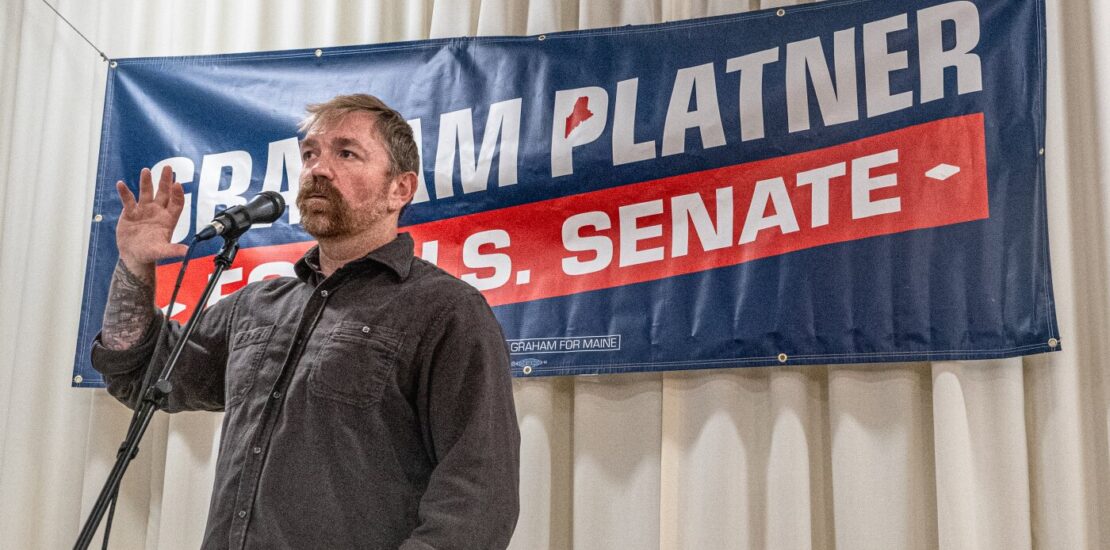
Graham Platner’s Senate campaign in Maine is facing a rising storm of accusations, including serious allegations of sexual assault. This situation not only impacts his political future but also resonates with the broader issues of accountability and integrity in politics, elements that affect everyone.
Allegations and Reactions
Graham Platner’s candidacy has come under scrutiny following a recent allegation of sexual assault reported by Politico. A former girlfriend claims that Platner entered her home while intoxicated in 2021 and coerced her into sex against her will. These serious allegations are compounded by Platner’s response, where he categorically denied them, stating, "Any accusation of non-consensual behavior is categorically untrue."
The fallout was swift. Key Democratic lawmakers, including Rep. Ro Khanna and Sen. Ruben Gallego, quickly rescinded their endorsements of Platner. Khanna emphasized that sexual violence is a "red line" for him, while Gallego labeled the allegations as "troubling and deeply serious." The Maine Democratic Party also joined calls for Platner to step back from the race.
Political Implications
Platner’s situation complicates the Democratic Party’s strategy as they seek to gain seats in the Senate during the upcoming midterm elections. The party needs to secure a net gain of four seats to reclaim control of the chamber, and Maine is seen as a key battleground. However, Platner’s controversies threaten to derail those efforts.
Under Maine election law, he has until July 13 to withdraw his candidacy for Democrats to nominate a suitable replacement. If he doesn’t step down, the party will struggle to establish a stronger candidate against the incumbent, Senator Susan Collins.
Patterns of Controversy
This is not Platner’s first controversy; since launching his campaign in August, he has faced a series of scandals related to his personal life. Three women in a New York Times article shared unsettling accounts of their experiences with him. Allegations included demeaning behavior and, in one case, physical threats. The assault accusation is notably the first of its kind to surface, drawing intense media attention.
In the wake of this reporting, Platner acknowledged past struggles with alcohol and referred to it as a "very dark period of my life." He confirmed some of the reports involving explicit messages and previously deleted comments that were insensitive toward various groups. Despite these challenges, he has framed his struggles with post-traumatic stress disorder (PTSD) from military service as a way to connect with voters.
Keeping Up with the Fallout
In a video statement, Platner noted, "Regardless of the inaccuracy of the reporting, but mindful of the political reality it will inflict, we are taking the time to reflect on the best path forward." This reflection comes amid calls for him to resign and weighs heavily on how he can regain credibility as a candidate.
Platner’s tumultuous journey emphasizes the delicacy of navigating public life when accusations arise. His ongoing situation showcases the reality that personal conduct can dramatically reshape political aspirations.
What this means for you
This unfolding story highlights the importance of accountability in leadership roles, which reflects in various aspects of our daily lives, including how we interact with institutions. If you ever need to review legal documents, such as employment contracts or other agreements, legal-document-to-plain-english-translator/”>AI legalese decoder can help decode the fine print for you.
Need to decode legal language? Try the free AI Legalese Decoder — no registration required.
Source: https://www.npr.org/2026/07/06/nx-s1-5875431/platner-sexual-assault-allegation-maine-senate

 ****** just grabbed a