
OPEC+ Announces Plans to Increase Monthly Oil Production
- July 6, 2026
- Posted by: Alex Reed
- Category: Related News
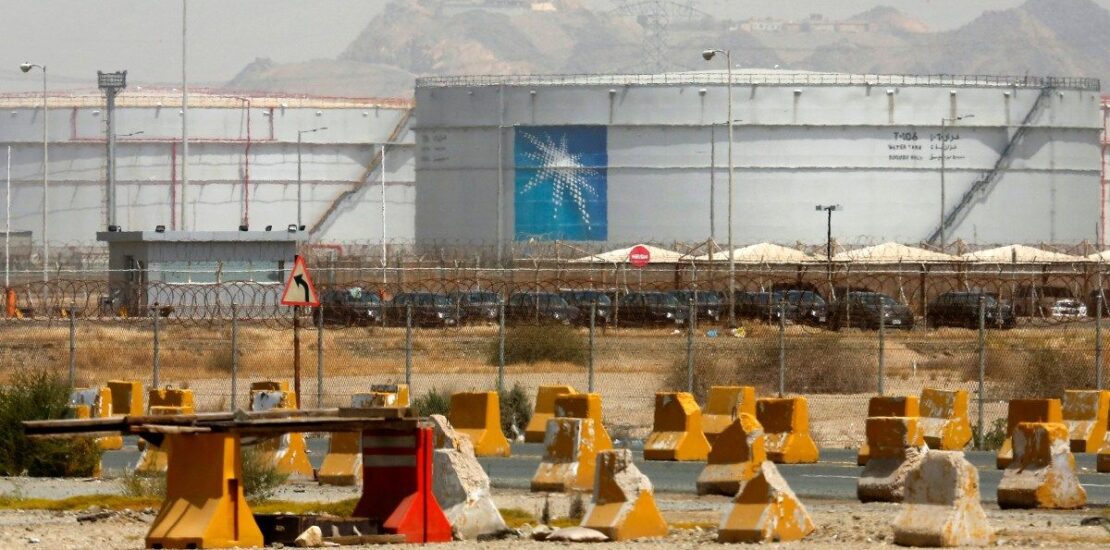
OPEC+ has recently announced an increase in oil production, a decision that could affect gas prices and energy markets worldwide. For everyday people, understanding this shift in oil output is crucial as it impacts everything from fuel costs to economic stability.
Understanding OPEC+ and Its Impact
OPEC+, or the Organization of the Petroleum Exporting Countries and its allies, has decided to boost oil production by 188,000 barrels daily. This change will start in August and involves seven countries: Saudi Arabia, Russia, Iraq, Kuwait, Kazakhstan, Algeria, and Oman. The decision stems from ongoing discussions among OPEC+ officials, who are monitoring global market conditions closely.
This increase marks the fifth consecutive month in which OPEC+ has decided to raise production. It reflects a slow undoing of the significant cuts made earlier this year in response to market instability caused by the U.S.-Israel war on Iran. Lower oil production in recent months was a reaction to falling oil prices and concerns over supply disruptions, particularly through key shipping routes like the Strait of Hormuz.
Recent Market Trends
Since peaking at over $126 a barrel in April, oil prices have recently fallen to pre-war figures. This decline is largely due to improving conditions and a potential resolution to the ongoing conflict involving Iran. Ships are starting to move through the Strait of Hormuz more frequently, which is critical for oil transport since it once facilitated about one-fifth of global supplies.
On July 2, the number of confirmed oil tanker transits in the strait was recorded at 38. While this is an improvement from previous counts, it remains significantly lower than before the conflict. Market experts suggest that the slight recovery in production from OPEC+ may not have much immediate effect due to ongoing constraints in shipping and logistics.
The Broader Context of Oil Production
OPEC+ had previously enacted production cuts to stabilize prices amid a spate of bank collapses and market sell-offs earlier this year. However, with the conflict’s potential resolution, countries within OPEC+ aim to adjust their strategies accordingly. They plan to convene again on August 2 to reassess the situation and gauge the impact of their decisions.
Some analysts believe that OPEC+’s planned output increases are more symbolic than substantial. Market conditions remain shaky, which raises doubts about how effectively these production changes will impact global oil supply and prices. According to experts, actual crude oil barrels remain constrained due to the ongoing complications surrounding the Strait of Hormuz, despite the scheduled increases.
What This Could Mean for Gas Prices
Rising oil production usually indicates that gas prices may stabilize or even decrease over time, assuming demand remains steady. For everyday consumers, this news may bring some relief at the pump. However, market fluctuations and external factors, like geopolitical tensions and logistical challenges, can quickly change this outlook.
Analysts also note that while OPEC+ has plans to increase output, the effectiveness will largely depend on global conditions and how they evolve. Current data suggests that the impact of these increases could be limited if logistical issues persist. Therefore, while consumers may hope for lower prices, uncertainty in the market means it’s too early to predict stable trends.
What This Means for You
Consumers should stay informed about how international oil production changes could affect their gas prices and transportation costs. If you ever need to review contracts like “terms of service” agreements related to energy providers, legal-document-to-plain-english-translator/”>AI legalese decoder can translate them into plain English in seconds. Understanding these documents can make navigating market changes easier.
Need to decode legal language? Try the free AI Legalese Decoder — no registration required.

 ****** just grabbed a