
Scientists Discover How Alzheimer’s Disease Destroys Brain Cells
- July 5, 2026
- Posted by: Alex Reed
- Category: Related News
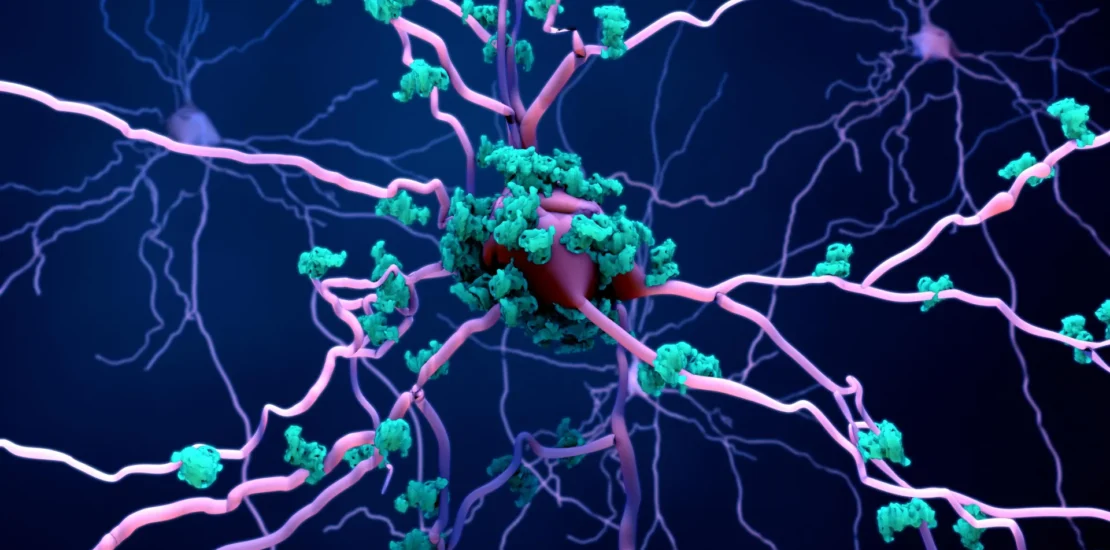
Scientists have recently uncovered a new process that could change how we understand neurodegenerative diseases like Alzheimer’s and frontotemporal dementia. This discovery could lead to better treatments and give hope to millions affected by these conditions.
Understanding Neurodegeneration
Neurodegenerative diseases are characterized by the buildup of harmful proteins in brain cells, leading to their death over time. This process contributes to symptoms like memory loss, confusion, and difficulties with daily tasks. Past research has identified various forms of cell death, but none fully explained the widespread loss of neurons observed in conditions like Alzheimer’s and frontotemporal dementia.
Now, researchers from King’s College London, collaborating with the UK Dementia Research Institute with support from Alzheimer’s Research UK, have pinpointed a potentially significant process called karyoptosis. This mechanism may connect the accumulation of toxic proteins to the death of brain cells.
Karyoptosis involves a series of chemical reactions initiated when harmful proteins gather in a cell. As the process unfolds, the cell’s nucleus, which carries its genetic information, begins to shrink and eventually breaks apart, leading to cell death.
Insights from Recent Studies
The research, detailed in the journal Nature Communications, analyzed 3,000 brain cells from 28 individuals diagnosed with either frontotemporal dementia or late-stage Alzheimer’s disease. Using advanced computational methods, the team identified different forms of cell death present in the samples.
Remarkably, they discovered signs of karyoptosis in 35% of brain cells taken from the frontal cortex of Alzheimer’s patients. In contrast, only 15% of cells from healthy older adults displayed this process.
This significant increase in karyoptosis among Alzheimer’s patients suggests a strong link between toxic protein accumulation and brain cell death. It highlights a new area for research that could help scientists find effective treatments for these debilitating illnesses.
Targeting Karyoptosis for Treatment
The researchers also found a key molecular pathway that seems to regulate karyoptosis. They discovered that forcing proteins to clump together, a common feature of neurodegenerative diseases, can trigger this harmful process. As toxic proteins accumulate, they destabilize the outer membrane of the nucleus, causing it to shrink and disintegrate.
To further explore this pathway, the team investigated proteins known as kinases. These act like molecular switches in the process. Laboratory tests using rat neurons showed that blocking these kinases reduced markers associated with karyoptosis. In particular, an interaction between p38 MAP kinase and the protein LaminB1 emerged as a promising target for potential therapies aimed at slowing or preventing brain cell breakdown.
The researchers believe that by selectively addressing this interaction, they could slow down cell death and provide additional time for more targeted therapies for specific neurodegenerative diseases.
Future Research Directions
Dr. Manolis Fanto from King’s College London expressed excitement about the potential to slow cell death by zeroing in on the interaction between p38 MAP kinase and LaminB1. This targeted approach could enable researchers to extend the time frame for patients while also allowing future therapies to address the underlying causes of these diseases more effectively.
Dr. Rebecca Casterton, a senior researcher at the UK Dementia Research Institute, emphasized the significance of this study. It has laid out a potential roadmap for understanding karyoptosis, which could inspire further breakthroughs in dementia research.
The new findings are a crucial step in the quest for effective treatments for conditions like Alzheimer’s and frontotemporal dementia, which impact countless families globally.
What this means for you
For individuals concerned about dementia and its effects, understanding these recent discoveries is vital. Knowledge of emerging treatment avenues could provide hope for future therapies. If you ever need to review medical consent documents, legal-document-to-plain-english-translator/”>AI legalese decoder can translate it into plain English in seconds. Keeping informed about medical advancements can empower you or loved ones facing such challenges.
Need to decode legal language? Try the free AI Legalese Decoder — no registration required.
Source: https://www.sciencedaily.com/releases/2026/06/260626124701.htm

 ****** just grabbed a