
Islamic Finance Shows Strong Growth Prospects for the Future
- July 5, 2026
- Posted by: Alex Reed
- Category: Related News
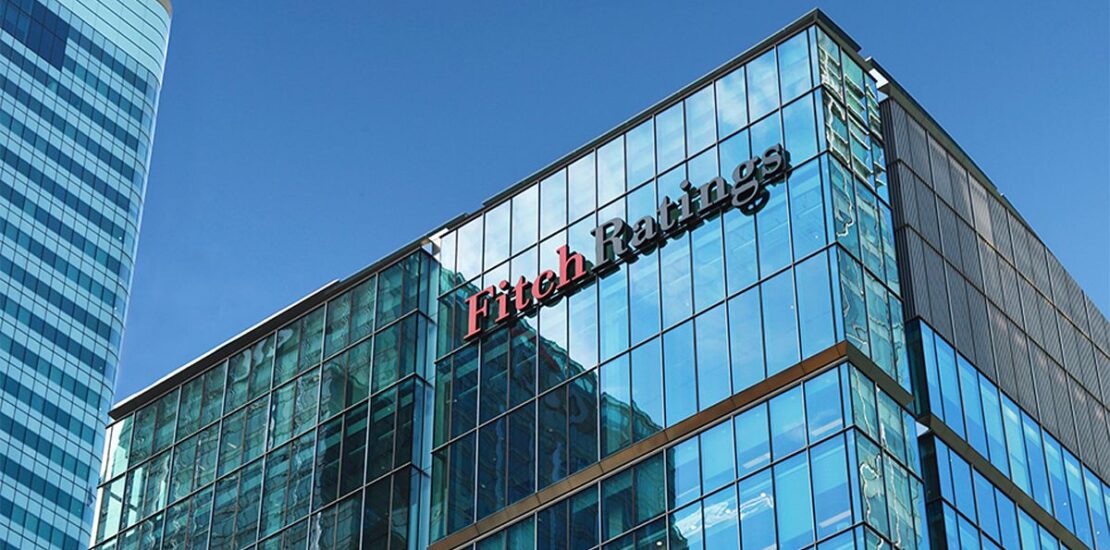
The resilience of Malaysia’s Islamic finance sector is more than just a financial story; it affects everyday lives by providing stability in investment options and funding for important projects. In a world filled with economic uncertainty, understanding how local markets adapt can influence individual financial choices.
Malaysia’s Unique Financial Resilience
According to Bashar Al Natoor, the managing director of Islamic Finance at Fitch Ratings, the Malaysian Islamic finance landscape has proven remarkably robust amidst the ongoing global upheaval. The local market has demonstrated its stability by effectively withstanding shocks from geopolitical events, such as conflicts in the Middle East. Unlike the Gulf Cooperation Council (GCC) countries, which faced declining debt activity, Malaysia maintained steady foreign investment and innovative financial products, including tokenised sukuk.
This resilience is no accident. Strong regulatory frameworks and a robust domestic investor base have kept the market competitive. Investors can find reassurance in the fact that while international financial markets falter, the Malaysian economy showcases a steady growth trajectory through the Capital Market Masterplan set for 2026 to 2030.
Growth in Debt Capital Market
Fitch Ratings anticipates a modest expansion of Malaysia’s debt capital market, projecting it to reach an impressive $640 billion by 2026. This anticipated growth is anchored by dependable yields and the country’s strong currency, which is one of the most stable in Asia.
A key highlight in the financial scene is the notable shift from government debt to non-sovereign debt. Malaysia’s government is actively working on reducing its federal debt, which is projected to reach 60% of GDP by 2030, while the private sector is taking on a larger role. In the first five months of 2026, non-sovereign debt issuance rose by 17% year-on-year, making up 68% of the total debt capital market activities. This indicates a significant market maturity as banks and corporations are increasingly setting the pace.
Islamic Banking and Innovative Practices
The rise of Islamic banking continues to outpace traditional banking systems, with Islamic banking assets increasing by 7% to $312 billion in 2025. In contrast, conventional bank assets grew only by 4%. Islamic financing now constitutes 44% of total loans, nearing a government goal of 50%, highlighting the effectiveness of the country’s syariah-compliant financial ecosystem.
Malaysia has even positioned itself as the leading player in the global Environmental, Social, and Governance (ESG) sukuk market, accounting for nearly a third of the world’s ESG sukuk. By mid-2026, ESG-linked debt had surged by 44% to $20 billion, driven by favorable government tax incentives.
Innovations are evident, particularly with the introduction of tokenised sukuk, which represents a move towards more digital solutions in finance. This development is expected to create new avenues for investment and attract a broader audience.
Future Prospects and Challenges
But with innovation comes challenge. The rapid pace of technology means that Malaysia’s Islamic financial sector must constantly adapt to remain competitive. Bashar noted that while local interest is strong, foreign investment remains crucial. Currently, foreign holdings of Malaysian government debt stand at 21.6%, marking a noteworthy position compared to other Organisation of Islamic Cooperation countries.
To further entice foreign investment, particularly from the Gulf region, Malaysia plans to launch a new sukuk model called wakalah bi al-khadamat in 2026. This initiative aims to create a bridge in the differing syariah interpretations between Malaysia and the GCC, potentially unlocking fresh investment opportunities.
What this means for you
Understanding the shifts in the Malaysian Islamic finance market can impact both individual investments and opportunities for borrowing. More robust financial products can provide better options for everyday financial needs. If you ever need to review financial agreements like loan documents or contracts, legal-document-to-plain-english-translator/”>AI legalese decoder can translate them into plain English in seconds. This ensures you understand what you’re signing before making important financial decisions.
Need to decode legal language? Try the free AI Legalese Decoder — no registration required.

 ****** just grabbed a