
Amplifying Native Voices: Strategies for Greater Impact
- July 2, 2026
- Posted by: Alex Reed
- Category: Related News
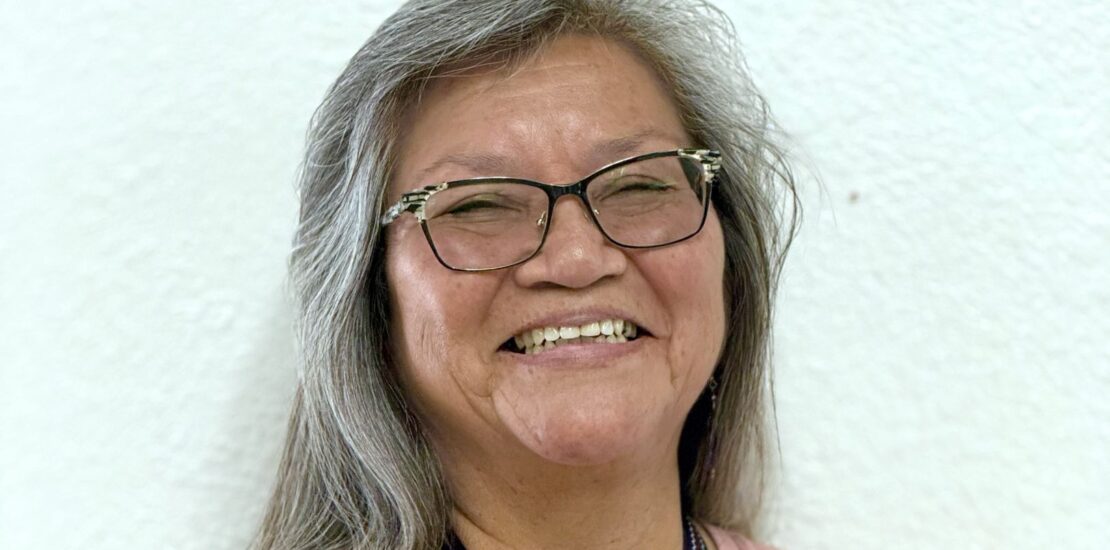
Maxine Wadsworth’s work in public service is vital for making sure everyone can make their voice heard at the polls. Her efforts not only empower voters but also ensure that our democratic system works for everyone, especially underrepresented communities.
A Lifelong Call to Service
For Maxine Wadsworth, serving the community is more than just a job; it’s a deep-seated calling. Growing up surrounded by the teachings of her grandparents in the Hopi village of Shungopavi in Arizona, Wadsworth learned early on the importance of helping others. Her grandparents lived simply but prioritized caring for those around them, and this philosophy continues to guide her work today.
As the outreach coordinator for Navajo County Elections, Wadsworth travels across Northern Arizona, reaching out to tribal communities and helping people understand their voting rights. Her mission is to ensure that members of the Navajo, Hopi, and White Mountain Apache tribes have the tools they need to participate in elections.
“It’s important for native people to vote so their voices are being heard,” she emphasizes. This principle drives her commitment to educating and empowering voters, especially those who may feel disconnected from the electoral process.
Bridging Cultural Gaps in Voting
Wadsworth has made significant strides in increasing accessibility for Hopi voters. After realizing that many community members preferred to communicate in their native language, she secured funding for Hopi-language election materials. Today, voting machines include Hopi translations, making it easier for individuals to cast their ballots in the language they are most comfortable with.
“It’s important that people are aware that they can vote in English or in their native language,” Wadsworth states. This advancement is one of her proudest accomplishments and highlights the importance of culturally inclusive practices in the democratic process.
In addition to improving access to voting information, Wadsworth is dedicated to engaging the younger generation. She regularly visits schools to teach students about civic engagement and encourages them to get involved as poll workers. By doing so, she aims to instill the importance of voting in future generations.
Community Connection and Cultural Preservation
Wadsworth’s connection to her community goes beyond her job. After work, she cherishes time spent with her grandchildren and enjoys traditional dances that bring people together to celebrate and share stories. These cultural gatherings play a crucial role in preserving the rich traditions of her community.
Her curiosity about other cultures is equally profound. She dreams of meeting tribal elders from different Indigenous communities worldwide, believing that these encounters could teach her invaluable lessons about leadership and history.
Whether she is guiding a first-time voter through registration or helping elders understand the election process, her work revolves around empowering individuals. She strongly believes that every voice matters, every culture deserves recognition, and each generation has a valuable lesson to share with the next.
The Power of Participation
In today’s fast-paced world, many feel disconnected from the systems that govern them. Wadsworth serves as a powerful reminder that meaningful change often starts with small acts of service and active participation. By making it her mission to help individuals find their voice, Wadsworth emphasizes the importance of community engagement and civic responsibility.
Her dedication reflects a widespread concern: when people feel their voices aren’t heard, the very fabric of democracy is at risk. Wadsworth encourages everyone to take part in the decision-making processes that shape their lives.
What this means for you
Maxine Wadsworth’s story highlights the importance of being informed about your voting rights and staying engaged in local issues. If you ever need to review election-related documents, AI legalese decoder can help translate them into plain English in seconds. Remember, your voice matters, and participating in your community can lead to meaningful change.
Need to decode legal language? Try the free AI Legalese Decoder — no registration required.
Source: https://www.flagstaffbusinessnews.com/helping-native-voices-be-heard/

 ****** just grabbed a