
South African Groups Rally to Protest Illegal Immigration Issues
- June 30, 2026
- Posted by: Alex Reed
- Category: Related News
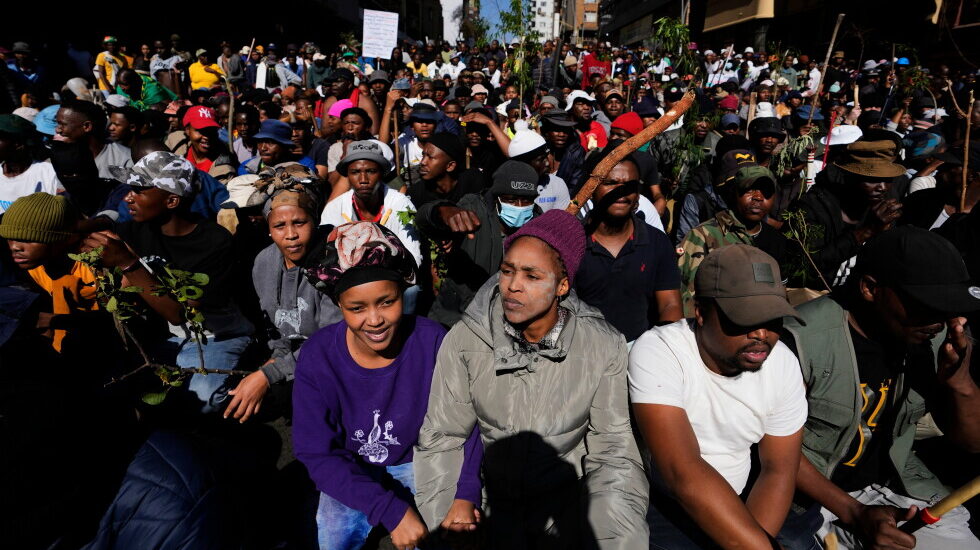
Thousands of South Africans took to the streets recently, protesting illegal immigration. This issue has sparked renewed debate and concern about the impact of migrants on jobs and safety in the country. When protests flare up, they remind us just how interconnected these issues are to everyday life.
The Scale of the Protests
In Johannesburg, demonstrators marched in a show of strength against illegal immigration. Despite some isolated incidents of looting, authorities noted that the majority of protests were peaceful. Police arrested a number of individuals who strayed from the peaceful nature of the demonstrations. Justice Minister Mmamoloko Kubayi warned that anyone committing violent acts would face legal consequences, reinforcing that the right to protest does not extend to criminal behavior.
Various groups participated in these demonstrations, including Operation Dudula and March and March. Some activists even set a deadline for the departure of all undocumented migrants, blaming them for high unemployment rates and increased crime. However, the South African government has refuted these claims, emphasizing that only authorities can enforce immigration laws. This tension highlights the struggle to balance local concerns with global migration patterns.
Protesters’ Claims and Government Responses
Protest leaders like Ngizwe Mchunu expressed frustrations, attributing increased drug issues and competition for jobs to undocumented migrants. Mchunu’s statements reflect a widely held belief among some South Africans that illegal immigration worsens economic and social struggles. These sentiments, however, are challenged by organizations such as Amnesty International, which argue that structural problems like unemployment and inequality stem from historical injustices, not migrants.
Amnesty International emphasized that blaming foreign nationals oversimplifies complex social issues and distracts from the government’s responsibility to manage these challenges effectively. The rights group warned that this scapegoating could lead to further violence against immigrants and undermine social cohesion. As tensions rise, it remains crucial to differentiate between legitimate concerns and xenophobic attitudes.
Demonstrations Across the Nation
The rallies weren’t limited to Johannesburg; protests also spread to Durban and other regions. Participants included young men with traditional fighting sticks and women proudly waving the South African flag. They chanted slogans demanding that their government prioritize South Africans over foreigners.
Some demonstrators voiced concerns about being labeled as xenophobic for speaking out against illegal immigration. They argue that rising crime rates and the struggling economy justify their fears and frustrations. In cities like Johannesburg, shops owned by both locals and migrants were closed in anticipation of protests, highlighting the tension that exists in everyday life. Private security was deployed in areas considered vulnerable to violence, underscoring the risks associated with these social conflicts.
Fleeing to Safety
The protests have led many migrants to seek safety by returning to their home countries. In a dramatic response to the rising anti-migrant sentiment, many individuals crowd their respective embassies and consulates, requesting transport back. The traffic at the Zimbabwe border intensified, with various groups repatriating due to fears for their safety. Reports indicated that hundreds of Nigerians returned home as they felt increasingly unwelcome in South Africa, reflecting the danger some foreign nationals perceive.
Voices from the returnees resonate with fear. Many, like Emmanuella Akagbosun and Fintan Opara, described losses and a deep fear of violence. Akagbosun’s shop was looted during protests, forcing her to leave a country where she had hoped to build a future. Justice Minister Kubayi confirmed that many have been repatriated safely, yet this migration shift underscores broader issues of safety and economic stability in the region.
What this means for you
The situation in South Africa highlights the complex interplay between immigration and local job markets, impacting community safety and social dynamics. If you ever need to review employment contracts or residency agreements, legal-document-to-plain-english-translator/”>AI legalese decoder can help translate it into plain English in seconds. Understanding your rights in regards to local regulations can empower you in these turbulent times.
Need to decode legal language? Try the free AI Legalese Decoder — no registration required.

 ****** just grabbed a