
Director Carl Rinsch receives 2.5 years in prison for fraud scheme
- June 29, 2026
- Posted by: Alex Reed
- Category: Related News
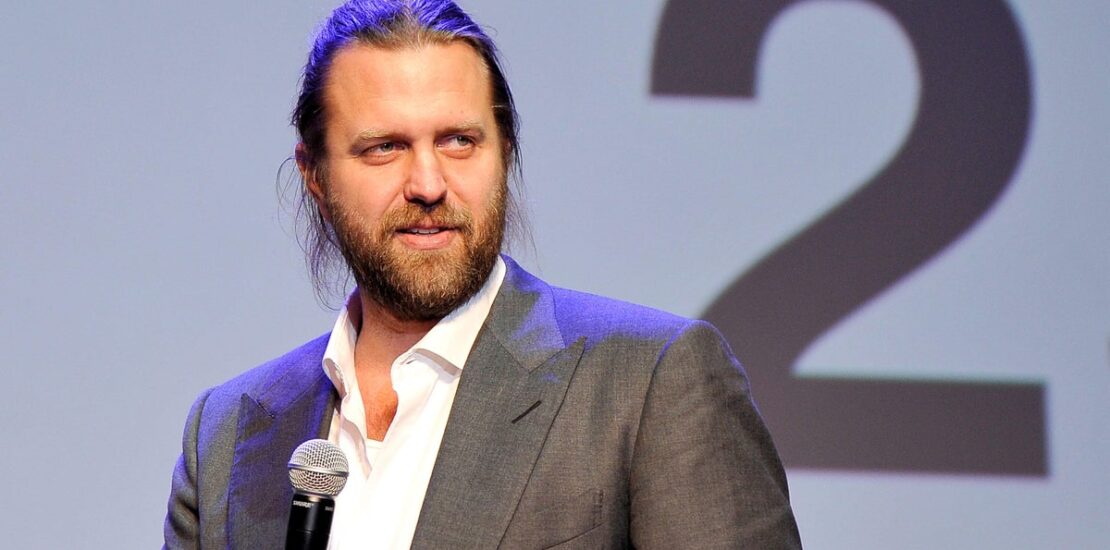
Hollywood writer-director Carl Rinsch has been sentenced to 2.5 years in prison for defrauding Netflix out of $11 million. This case is significant because it highlights the consequences of financial misconduct, reminding us that fraud can have real-life implications for both individuals and businesses.
The Charges Against Rinsch
Carl Rinsch, known for the film “47 Ronin,” was found guilty of federal wire fraud and other charges in December. Prosecutors revealed that Rinsch misrepresented his financial needs to Netflix. He claimed he required additional funds to complete a sci-fi series called “White Horse.” Instead of using the $11 million as intended, Rinsch transferred the money to his personal account and made extravagant purchases, including luxury cars and designer goods—purchase amounts add up to staggering figures.
When Rinsch secured the funding, Netflix had already invested about $44 million in the project over two years. However, prosecutors allege that Rinsch diverted the latest funds into risky investments and opulent spending instead of production costs.
Rinsch’s Justification and the Court’s Response
During sentencing, Rinsch and his defense team argued that his actions were influenced by mental health struggles. They stated that he is currently addressing these issues with new treatment. Rinsch expressed remorse, admitting that he had not recognized the danger caused by his state of mind.
Despite these claims, prosecutors insisted that Rinsch had ample advantages—wealthy background, elite education, and connections in Hollywood. In court, prosecutor David Markewitz described his motives as “naked greed.” The judge emphasized that while Rinsch’s mental health issues may explain some behavior, they do not excuse his fraudulent actions.
The Financial Fallout
Rinsch now faces the prospect of repaying the $11 million he defrauded from Netflix, in addition to spending time behind bars. Prosecutors pointed out that Rinsch used the money not just to fund luxury purchases—like five Rolls-Royces and an extravagant $638,000 for two mattresses—but also to cover personal debts, including $1.8 million in credit card bills.
U.S. Attorney Jay Clayton stated that Rinsch’s actions send a clear message that fraud is intolerable. He also indicated that the court’s sentence aims to deter similar misconduct in the future, reinforcing that laws are in place to protect companies and consumers alike.
Looking Ahead
As part of his sentencing, Rinsch will serve three years of supervised release after his prison term. In response to the verdict, Rinsch’s legal team expressed intentions to appeal the case. While Rinsch deals with the consequences of his actions, Netflix has chosen not to comment on the sentencing, leaving the future of the “White Horse” project uncertain.
The case serves as a reminder that even high-profile individuals in the entertainment industry are not above the law. Rinsch will have to reckon with the professional and personal fallout for years to come.
What this means for you
For anyone working within creative industries, this case highlights the importance of transparency and honesty in financial dealings. Understanding the ramifications of fraud can help prevent similar consequences in your life. If you ever need to review contracts, whether for a film project or a personal agreement, legal-document-to-plain-english-translator/”>AI legalese decoder can translate them into plain English in seconds.
Need to decode legal language? Try the free AI Legalese Decoder — no registration required.
Source: https://www.cbsnews.com/news/carl-rinsch-netflix-show-white-horse-fraud-sentencing/

 ****** just grabbed a