
China’s June Factory Activity Grows, Driven by Tech Exports
- June 29, 2026
- Posted by: Alex Reed
- Category: Related News
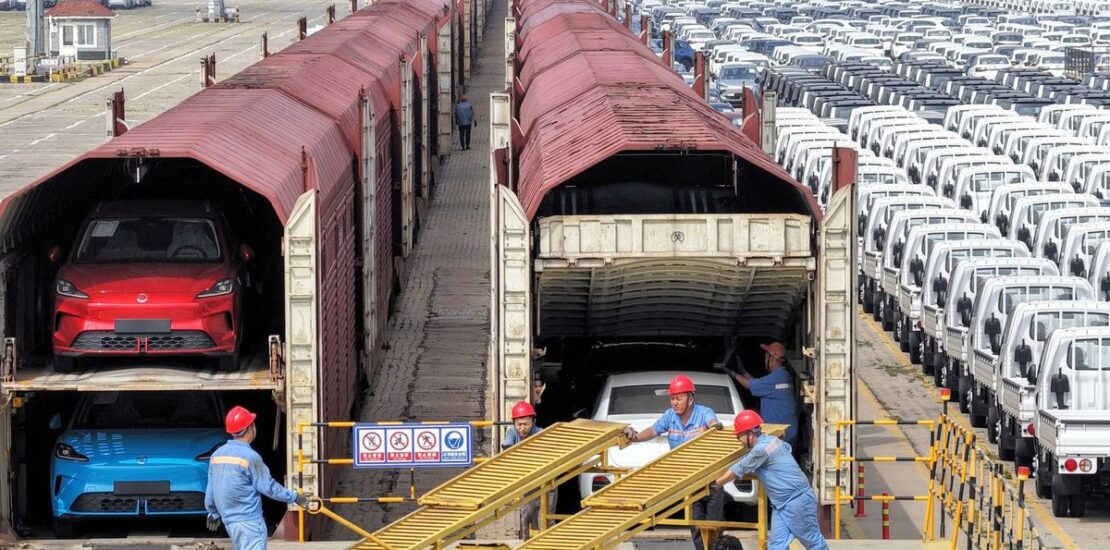
China’s recent improvements in factory activity highlight significant trends that could affect consumers globally. The rise in demand for artificial intelligence-related products indicates a shift that may have implications for prices and availability of tech goods.
Understanding China’s Factory Activity Increase
According to an official survey, China’s factory activity experienced a notable boost in June. The manufacturing purchasing managers index (PMI) rose to 50.3, up from 50 in May, surpassing expectations set by economists. This is important because a PMI reading above 50 means the manufacturing sector is expanding, which often signals economic growth.
The sub-index for new orders climbed from 49.9 to 51.2, while the production index also saw growth, moving from 51.2 to 51.4. These numbers suggest that businesses are not only receiving more orders but are also increasing their production to meet this demand. In other words, China’s factories are getting busier, which is good news for the economy.
What’s Driving This Growth?
Julian Evans-Pritchard, from Capital Economics, noted that the surge in AI technology and exports is a significant contributor to this growth. He emphasized that external demand plays a crucial role in driving expansion within China’s manufacturing sector. Essentially, countries around the world are purchasing more Chinese-made AI hardware, signaling a robust demand for tech products.
However, factors such as sluggish domestic demand and consumer hesitance remain concerns. Many Chinese consumers continue to approach spending cautiously due to the ongoing effects of a downturn in the property sector. While the recovery in manufacturing offers hope, it’s a mixed picture as long-term consumer confidence has yet to fully rebound.
The Potential Risks Ahead
Despite the positive economic signals, some experts are urging caution. Lynn Song, a chief economist at ING Bank, cautioned that further government support is crucial for boosting domestic consumption and investment. Without addressing these internal challenges, there’s a risk that growth could become increasingly unbalanced.
The Chinese government has set an economic growth target of 4.5% to 5% for the year. Many believe that meeting this goal depends largely on the strength of AI-related exports and international trade. If domestic issues aren’t resolved, there’s a possibility that the economy may not grow as robustly as expected.
What this means for you
For consumers, the rise in AI-related exports could mean more innovative products entering the market. However, it also suggests that prices for tech items may fluctuate as demand climbs. If you ever need to review a warranty document on your tech purchases, legal-document-to-plain-english-translator/”>AI legalese decoder can translate it into plain English in seconds. Staying informed about these economic shifts can help you make better decisions in the marketplace.
Need to decode legal language? Try the free AI Legalese Decoder — no registration required.

 ****** just grabbed a