
Supreme Court Allows Fed’s Cook to Retain Position Temporarily
- June 29, 2026
- Posted by: Alex Reed
- Category: Related News
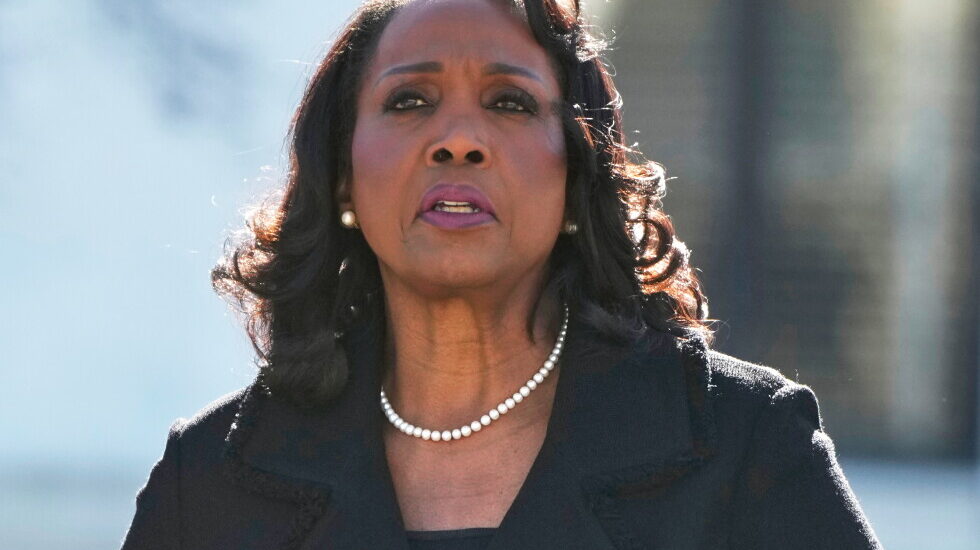
The recent ruling by the Supreme Court has important implications for how the President can interact with independent federal agencies. It highlights a shift in the balance of power, one that could affect everything from economic policy to regulatory oversight in ways that directly impact everyday lives.
The Supreme Court’s Historic Ruling
On a recent Monday, the Supreme Court expanded the powers of the presidency by allowing the President to fire heads of independent federal agencies at will. This decision stands out primarily for one significant exception: the Federal Reserve. Current Fed governor, Lisa Cook, is permitted to retain her position while she challenges her firing due to allegations of mortgage fraud, which she has denied.
Previously, there were laws and a 91-year-old Supreme Court decision that required a valid reason for dismissals in such agencies to protect decision-making from political influence. However, the current court, with a six-justice conservative majority, overturned these safeguards. Chief Justice John Roberts emphasized that such protections conflicted with the Constitution’s separation of powers.
The Ruling’s Support for Trump’s Actions
The ruling stemmed from a case involving Rebecca Slaughter, a former member of the Federal Trade Commission whom Trump terminated without cause. The decision extends its implications to other regulatory bodies like the National Labor Relations Board and the Consumer Product Safety Commission. The court’s majority was concerned not just with supporting Trump’s actions but ensuring the ruling has enduring significance.
Trump lauded the decision, stating on Truth Social that it is a historic ruling that enhances presidential power. However, dissenting voices raise concerns about the possible consequences, arguing that the ruling could lead to instability and the erosion of independent oversight.
Lisa Cook’s legal Battle
In the separate case regarding Lisa Cook, the court ruled 5-4 to allow her to remain in office while she contests her dismissal. This was a notable decision because it demonstrated that the court could still impose checks on presidential power, particularly concerning Federal Reserve appointments.
Chief Justice Roberts pointed out that immediately removing Cook would effectively convert “for-cause” protections into at-will employment, undermining the essential independence required for such a vital position. Trump’s call to act against Cook, claiming wrongdoing, adds a layer of complexity to the ongoing struggle between executive authority and institutional checks.
Implications for Federal Oversight
Trump’s ongoing attempts to control the Federal Reserve highlight the critical role such agencies play in the U.S. economy. His desire to influence interest rate policy through the appointment of governors like Cook raises questions about how much power any president should wield. High stakes are involved, particularly as the economy faces issues like inflation and regulatory changes.
Critics argue this move could lead to a dangerous precedent where economic policy becomes susceptible to political whims, rather than being influenced by experts striving for long-term stability. The implications of such decisions extend far beyond the courtroom and could impact the financial markets and everyday Americans.
What this means for you
This ruling signifies that U.S. presidential powers have received a significant boost, affecting how independent agencies operate and make crucial decisions. If you ever need to review employment contracts or other related documents that might influence your work life, legal-document-to-plain-english-translator/”>AI legalese decoder can help decode the fine print into plain English in seconds. Overall, this decision reflects a fundamental shift in the dynamics of power between the presidency and federal agencies, likely shaping American governance for years to come.
Need to decode legal language? Try the free AI Legalese Decoder — no registration required.

 ****** just grabbed a