
Nasdaq and S&P 500 Futures Fall Amid Global Chip Market Concerns
- June 23, 2026
- Posted by: Alex Reed
- Category: Related News
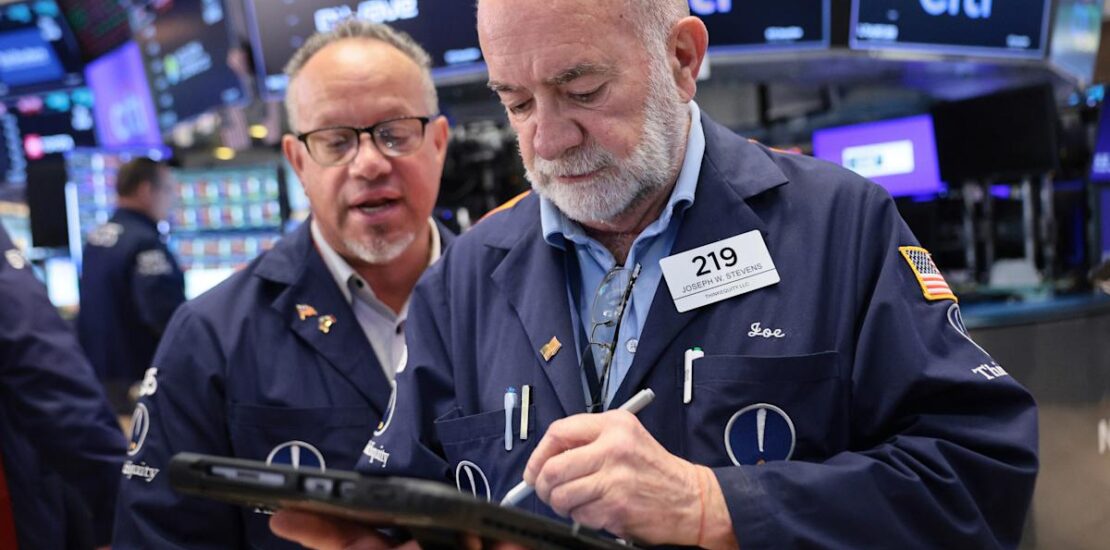
Stocks are taking a significant hit, and this could affect everything from your job to your investments. For people keeping an eye on the market or planning to invest, understanding these changes is vital.
Tech Stocks Take a Dive
The Nasdaq 100 index futures dropped by 2.6% on Tuesday, reflecting a serious downturn in the tech-heavy market. The S&P 500 futures also fell by 1.2%, while the Dow Jones Industrial Average futures decreased by 0.4%. This serious decline comes after a rocky week for major tech companies, notably SpaceX, which has seen its stock value slide. Just a week after going public, SpaceX’s shares fell 16% in premarket trading, threatening to reduce its market value below $2 trillion.
Investors are growing concerned about the values of tech stocks, especially as memory chip makers’ stocks such as Samsung Electronics and SK Hynix dropped over 12%. This is raising questions about whether the rapid growth seen in the tech sector, particularly those involved in artificial intelligence (AI), is sustainable.
The Pressure of Memory Chip Makers
The memory chip market, which has been a significant driver of tech stock growth, is now under scrutiny. With SK Hynix and Samsung Electronics both seeing substantial drops in their stock prices, the broader market reacted negatively. The Kospi index in South Korea fell by 10%, influenced heavily by this sell-off.
Investors are eagerly awaiting earnings reports from Micron, another memory chip company, due to be released soon. As the market stands, Micron’s shares have already lost about 10% in premarket trading. This data could provide insights into whether demand for memory chips remains strong or if it is faltering, affecting the tech sector’s future performance.
Global Factors and Ongoing Negotiations
Amidst these market shifts, hopeful news is coming from peace talks between the US and Iran. These negotiations have shown some progress and led to a 60-day waiver on oil sanctions, which could have significant implications for global oil markets.
As the US and Iran work through their differences, this could stabilize oil prices, which are currently trading flat. Brent crude is hovering around $78 per barrel. The peace discussions could alleviate some supply pressures and bring stability to fluctuating oil prices, which is vital for various sectors of the economy.
Upcoming Earnings Reports and Market Sentiment
The focus for traders is now shifting to earnings reports from companies like FedEx and Cerebras Systems. Cerebras, which specializes in AI technology, is especially of interest as this will be their first report since going public. How these companies perform will likely impact market sentiment in the coming days.
With tech firms experiencing a turbulent time and indications that this isn’t just a temporary blip, investors are starting to reassess their positions. The combination of weak performances from key companies, along with global negotiation outcomes, will determine market stability and direction.
What this means for you
For everyday individuals, changes in the stock market can impact your investments, job security, and even your spending power. Be aware of how shifts in the tech industry might influence your financial choices. If you ever need to review any agreements related to your employment or investments, legal-document-to-plain-english-translator/”>AI legalese decoder can translate it into plain English in seconds.
Need to decode legal language? Try the free AI Legalese Decoder — no registration required.

 ****** just grabbed a