
Evers Seeks Disaster Declaration for Spring Flood Business Relief
- June 22, 2026
- Posted by: Alex Reed
- Category: Related News
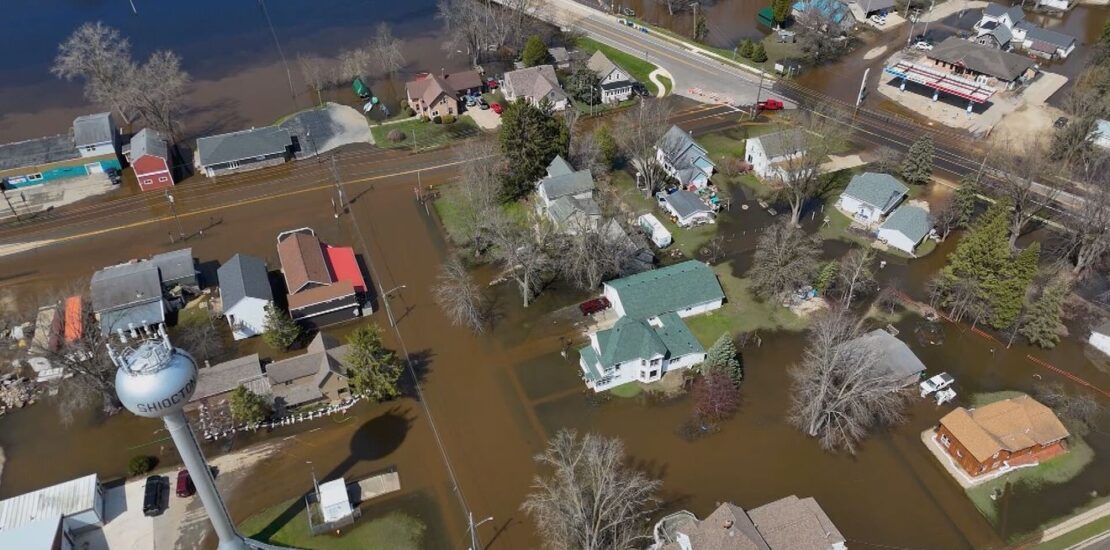
Governor Tony Evers has taken a significant step to address the aftermath of severe storms and flooding in Wisconsin by reaching out for federal disaster assistance. This matter affects not only local residents but also small businesses that rely on state support to recover from unexpected natural disasters.
Request for Emergency Assistance
In a letter to the U.S. Small Business Administration (SBA), Governor Evers has requested that four counties—Marathon, Rock, Vernon, and Waupaca—be eligible for disaster assistance due to spring’s severe weather events. The request follows joint damage assessments conducted by the SBA, FEMA, and various state and local agencies. Early assessments revealed damages exceeding $27 million, highlighting the extent of the destruction caused by the storms.
Evers emphasized the importance of working hand-in-hand with both state and federal partners to ensure communities and their small businesses receive the necessary support. He expressed gratitude for the efforts of state emergency management teams and federal agencies in assessing the damage. As severe weather patterns continue to plague Wisconsin, Evers is committed to ensuring that resources are prepared for future emergencies and that communities are adequately supported during recovery efforts.
Criteria for Disaster Assistance
For a disaster declaration to be granted, the SBA has specific criteria that must be met. A minimum of 25 homes or businesses must suffer uninsured losses worth at least 40% of their estimated fair replacement value. Given the findings from the damage assessments, it is clear that the destruction from the recent storms meets these requirements.
Governor Evers had previously made a formal request for disaster relief from President Trump in response to the severe storms from April, which impacted 19 counties and one tribal nation. This underscores the urgency in getting immediate relief to affected areas and highlights how residents and businesses are seeking help amid turbulent weather conditions.
Current State of Assistance Requests
As of now, the urgency of Evers’ plea remains high, but there has been no response from President Trump regarding the disaster declaration. The lack of response creates a sense of uncertainty for those affected, waiting for critical support to initiate recovery efforts. Community leaders and residents alike are hopeful that federal aid will arrive soon to begin rebuilding efforts, as the need for financial assistance becomes increasingly pressing.
Wisconsin communities have always shown resilience during natural disasters, but the road to recovery can be long and fraught with challenges. The timely response from federal agencies often makes a significant difference in how quickly residents can get their lives back on track. As the situation develops, both the residents and state officials continue to advocate for a quicker resolution.
What this means for you
If you find yourself needing to navigate the complexities of disaster assistance or any government forms in the future, understanding the requirements can save you time and stress. If you ever need to review grant applications or legal notices related to disaster assistance, legal-document-to-plain-english-translator/”>AI legalese decoder can translate it into plain English in seconds. Getting the help you need during such times is essential, and knowing how to access that assistance can make all the difference.
Need to decode legal language? Try the free AI Legalese Decoder — no registration required.

 ****** just grabbed a