
Former Federal Reserve Chair Alan Greenspan Passes Away at 100
- June 22, 2026
- Posted by: Alex Reed
- Category: Related News
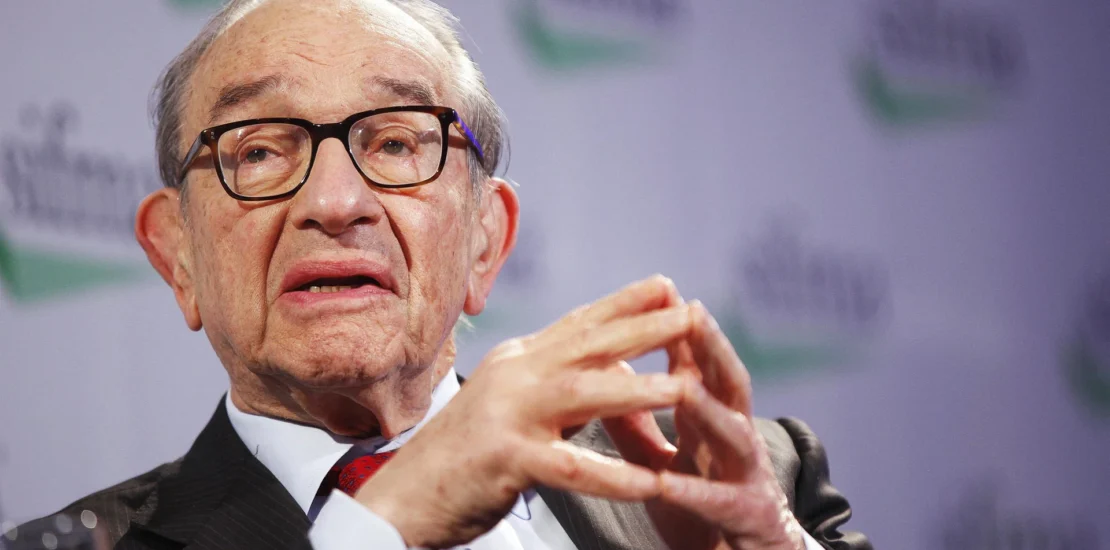
ALAN Greenspan, a former Federal Reserve chairman celebrated for his role in guiding one of the longest economic expansions in U.S. history, has passed away at the age of 100. His tenure was transformative, shaping the economy we live in today, and his legacy continues to influence economic policies even after his time in office.
The Impact of Alan Greenspan on the Economy
Greenspan’s leadership at the Federal Reserve lasted 18 years, from 1987 to 2006. During this period, the U.S. experienced significant economic growth, low unemployment, and a booming stock market. His ability, often highlighted by colleagues, to manage economic fluctuations earned him the nickname “maestro.” Many viewed him as the architect of a stable economy, credited for understanding the influence of technology on productivity, which helped the economy expand without triggering inflation.
However, Greenspan’s legacy isn’t without controversy. After he left office, his reputation took a hit when the financial crisis erupted in 2008, exposing the risks that had built up during his tenure. His critics highlighted that his deregulated approach and hands-off strategy regarding the housing market contributed to the crisis. The very practices that supported economic expansion were later blamed for significant market failures.
Notable Quotes and Rhetoric
Greenspan was known for his enigmatic speech style. His phrases often moved markets, igniting debates among investors and economists alike. The term “irrational exuberance,” which he coined in a 1996 speech, became a defining moment in financial discourse. Investors reacted strongly to such comments, sometimes leading to sharp market movements.
As markets began to show signs of decline, the idea of the “Greenspan put” emerged. This theory suggested that traders believed Greenspan would always intervene to support the market. While this reassured many, it also fostered risky behavior, as investors felt protected against the downside of their decisions. This false sense of security was later cited as a contributing factor to the financial collapse of 2008.
Legacy and Reassessment
Greenspan’s time at the helm of the Federal Reserve witnessed unparalleled economic growth. Yet, in hindsight, many analysts warned about the financial pressures building during his last years. Homebuyers were given loans they couldn’t afford, and the housing market inflated dramatically. Even when Federal Reserve transcripts indicated concerns about a housing bubble, Greenspan maintained a view that the housing market was stabilizing.
Following the financial crisis, Greenspan faced a flood of criticism. His approach was scrutinized by various experts, who argued that years of deregulation had stripped away necessary safeguards from the financial industry. Some even labeled him as a fundamental factor in creating conditions for the economic meltdown.
What this means for you
Greenspan’s story serves as a reminder of the importance of regulatory oversight in economics. Whether in finance or other sectors, understanding the implications of contracts and agreements is crucial. If you ever need to review financial documents, AI legalese decoder can translate it into plain English in seconds. Recognizing the balance between growth and regulation can help individuals and businesses make better financial decisions going forward.
Need to decode legal language? Try the free AI Legalese Decoder — no registration required.

 ****** just grabbed a