
Tenants Must Pay Half of Rent to Address Other Complaints in Ontario
- June 21, 2026
- Posted by: Alex Reed
- Category: Related News
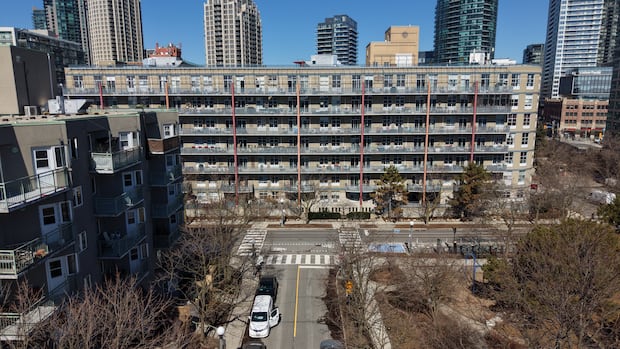
Ontario tenants facing eviction may soon have to pay upfront—half of what their landlord claims they owe—just to raise other issues about their living situation at a tribunal hearing. This significant policy change, part of Bill 60 passed by the provincial government, could have big implications for ordinary renters struggling to make ends meet.
Understanding Bill 60 and Its Impacts
Bill 60 introduces several new rules that could complicate life for tenants in Ontario. As soon as the changes take effect, anyone accused of being behind on rent will need to pay half of the disputed amount if they wish to voice concerns about conditions in their unit during hearings at the Landlord and Tenant Board. Lawyers and tenant advocates have criticized this requirement, arguing that it might unfairly penalize those who believe they should be compensated for health or safety issues in their homes.
Dania Majid, an attorney with the Advocacy Centre for Tenants Ontario, emphasizes the importance of allowing tenants to raise health and safety issues. Often, these arguments can reveal that a landlord is violating the Residential Tenancies Act, potentially even owing the tenant compensation. “No other area of our legal system requires someone to offer cash before they raise legal arguments,” Majid points out.
The changes are expected to take effect in phases this summer and fall, but no specific launch date has been provided.
Changes to Payment Timelines
In addition to the new payment requirement, tenants will also see a reduction in the time they have to pay overdue rent. Previously, tenants had a 14-day grace period to settle their debts before a landlord could initiate eviction proceedings. Under the new rules, this timeframe has been shortened to just seven days, set to take effect in September.
These changes aim to streamline the eviction process, but many fear they could leave vulnerable tenants in even more precarious positions. If someone is struggling financially, being forced to pay upfront could deepen their difficulties, especially if they believe they have valid issues to raise against their landlord.
Mixed Reactions to the Legislation
While the government claims that Bill 60 creates a fairer rental market by ensuring accountability among tenants, advocates argue the exact opposite. Critics, including tenant organizations and environmental activists, have expressed concern that this legislation may lead to increased homelessness across Ontario.
According to a spokesperson for Ontario’s Minister of Municipal Affairs and Housing, the bill aims to protect responsible tenants while tackling issues of systemic abuse within the rental system. He stated that the legislation is designed to restore balance and confidence in the housing market.
However, advocates like Chiara Padovani from the Toronto Tenant Union argue that rental agreements are meant to ensure mutual responsibility. Tenants should not have to face undue hardships when trying to raise legitimate concerns about their dwellings.
Tenant Organizing and Responses
Some experts believe the requirement for upfront payment is a strategic move in response to the recent trend of rent strikes across the province. Rent strikes have empowered tenants to assert their rights and demand better living conditions. But by making it more difficult to raise issues related to health and safety without financial repercussions, advocates fear that tenants will lose leverage.
Mason Fitzpatrick from the Federation of Metro Tenants Association stated that hearings provide critical opportunities for tenants to compel landlords to negotiate on essential issues. He worries that the new requirement will deter tenants from speaking up, making them more vulnerable.
Daryl Chong, president of the Greater Toronto Apartment Association, noted that while he does not have specific comments on the 50% payment rule, he believes the bill helps restore landlords’ confidence in the legal system.
What this means for you
If you are a tenant in Ontario, it is crucial to understand how these upcoming changes could affect your rights and responsibilities. Be prepared to engage with your landlord in a new legal landscape where upfront payments may become necessary. If you ever need to review documents like your rental agreement, legal-document-to-plain-english-translator/”>AI legalese decoder can translate it into plain English in seconds. Stay informed and know your rights to better navigate these challenges.
Need to decode legal language? Try the free AI Legalese Decoder — no registration required.
Source: https://www.cbc.ca/news/canada/toronto/ontario-tenants-bill-60-unpaid-9.7242331

 ****** just grabbed a