
France restricts public drinking during music festival amid heatwave
- June 21, 2026
- Posted by: Alex Reed
- Category: Related News
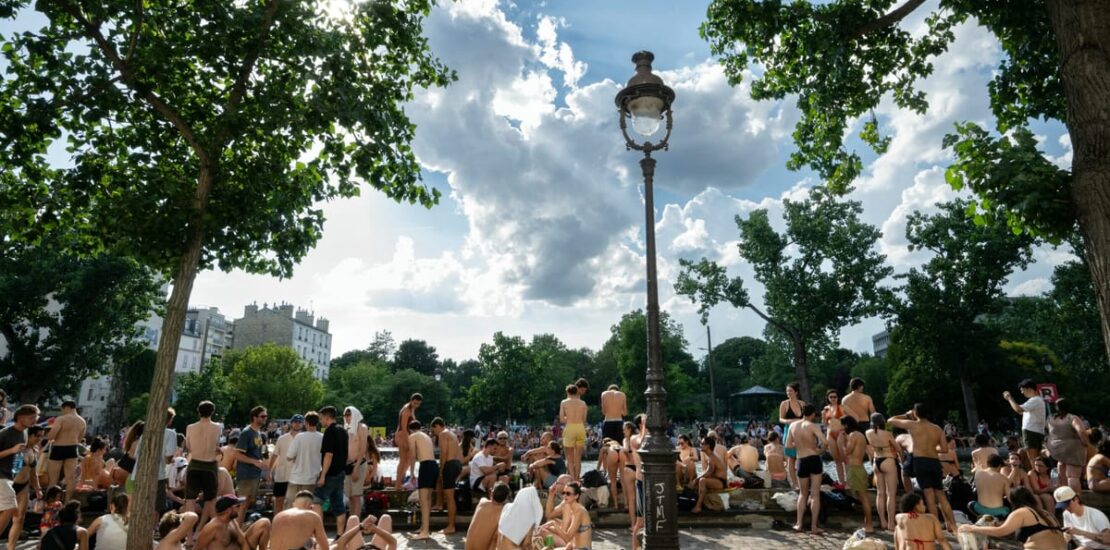
As Europe faces a severe heatwave, many music lovers are disappointed by new restrictions on alcohol consumption during festivals. France has implemented these limits to protect public health, highlighting the delicate balance between enjoying summer events and ensuring safety.
The Impact of the Heatwave on Public Events
The ongoing heatwave sweeping across parts of Europe has sent temperatures soaring to unprecedented levels. Countries like France, Spain, and the U.K. are struggling against a relentless “heat dome.” This situation has prompted governments to take drastic measures to safeguard citizens attending outdoor events.
In France, authorities have placed a red alert on several regions, urging residents to stay hydrated and avoid strenuous activities. With thousands of festival-goers gathering for outdoor concerts, the combination of intense heat and alcohol consumption raises significant health concerns. To prevent heat-related illnesses and ensure public safety, officials have decided to impose bans on alcohol sales at music festivals.
The Details of France’s Alcohol Ban
Starting immediately, alcohol sales at music festivals in affected areas will be halted. This includes popular events where attendees often enjoy drinks while dancing and enjoying performances. The government believes that limiting alcohol availability will help reduce the risk of heat exhaustion and dehydration.
Festival organizers are scrambling to adapt to the ban. Many are now working to create a safe environment by providing ample water stations and shaded areas for attendees. With proper hydration being crucial during these sweltering temperatures, the emphasis is on fostering a safe and enjoyable atmosphere without the added danger of alcohol consumption.
Public Reaction to the Restrictions
The reaction to these restrictions has been mixed. Some festival-goers understand the importance of safety, especially in extreme heat conditions. They appreciate the government’s efforts to protect individuals, even if it means changing their plans.
However, many festival goers feel disappointed. For many, music festivals are not just about the music; socializing and celebrating with drinks is part of the experience. Some have voiced their frustration on social media, arguing that the ban could spoil the festive atmosphere. Yet, organizers stress that safety must come first during such extreme weather.
Long-Term Implications for Public Safety
The music festival alcohol ban is reflective of a broader trend of authorities taking precautionary measures during extreme weather events. As climate changes increase the frequency and intensity of heatwaves, public safety protocols are likely to become stricter.
These restrictions may also set a precedent for future events, as health officials and governments prioritize managing risks during harsh weather. As society adapts to the realities of climate change, we may see more measures aimed at protecting public health during extreme conditions.
What this means for you
This heatwave and the resulting restrictions underline the importance of safety during extreme weather events. If you plan to attend outdoor events in hot conditions, remember to stay hydrated and be aware of any local regulations that may affect your experience. If you ever need to review event ticket terms or conditions, AI legalese decoder can translate it into plain English in seconds.
Need to decode legal language? Try the free AI Legalese Decoder — no registration required.
Source: https://www.politico.eu/article/france-public-drinking-heat-wave-music-festival/

 ****** just grabbed a