
Ukraine Develops Mobile Robots to Target Russian Forces
- June 21, 2026
- Posted by: Alex Reed
- Category: Related News
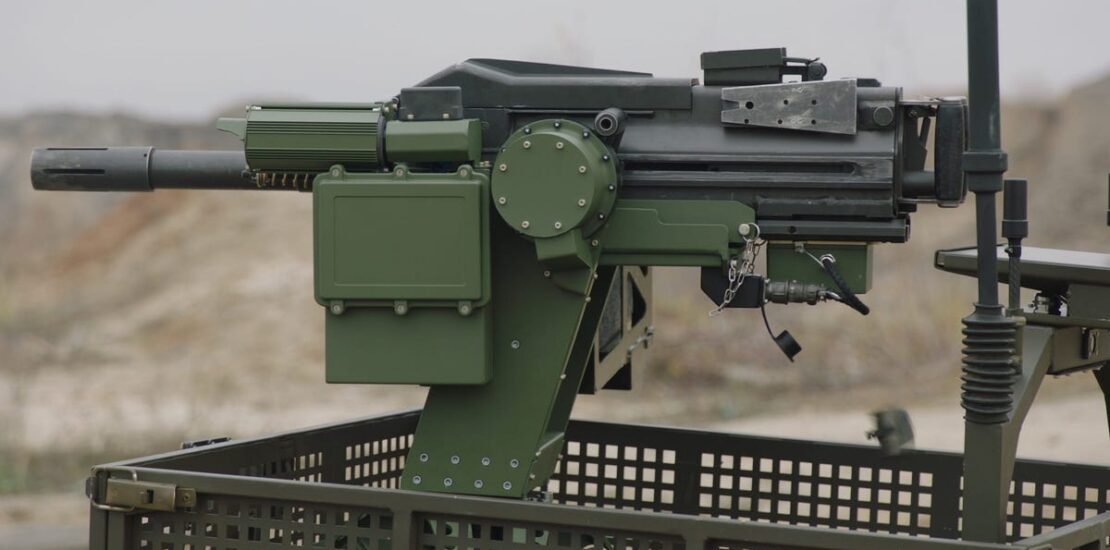
Ukrainians are pushing the boundaries of modern warfare by deploying armed robots in their fight against Russian forces. This innovative technology saves lives and represents a significant shift in how conflicts may be waged in the future.
Transforming Warfare with Technology
According to Frontline Robotics, a Ukrainian arms maker, soldiers are mounting weapons on ground robots to transform them into mobile weapon systems, often referred to as “small tanks.” Mykyta Rozhkov, the company’s chief business development officer, explained that this mobile approach can increase safety for Ukrainian troops by allowing them to attack from greater distances. The “Buria” turret, designed to fire grenades or machine guns, is now being placed on these robotic vehicles to strike enemy positions without risking human lives.
Initially, the Buria turret was used as a stationary weapon, but that has changed. By mounting these turrets on ground robots, they can move toward Russian positions and attack while operators remain 20-50 kilometers away, keeping them out of harm’s way. As the conflict evolves, this innovation is becoming increasingly important in a battlefield filled with drones and other technological advances.
Feedback-Driven Innovation
The fast-paced nature of warfare has led Frontline Robotics to adapt quickly. The company updates its technology as often as 20 times a month, relying on continuous feedback from soldiers directly involved in combat. This approach allows for rapid adaptations that meet the changing needs on the ground. Rozhkov noted that the information flow from troops is constant, not something that requires solicitation.
This quick turnaround is an advantage unique to Ukrainian manufacturers, allowing them to respond immediately to the challenges posed by Russian infiltration tactics. Such small groups are seeking to bypass drone detection and strike at weaker points in the Ukrainian defense, making it crucial for Ukrainian forces to react swiftly without exposing more soldiers to danger.
The Role of Robots in Modern Combat
Ground robots are increasingly becoming vital assets in Ukraine’s military strategy. They are not just armed; they are also used for logistical purposes, including evacuating wounded soldiers and carrying supplies. Their use in combat has surged, evidenced by a dramatic rise in logistics and evacuation missions completed via robots—from 2,000 missions in the latter half of last year to more than 50,000 in the first part of this year.
This new warfare strategy is reshaping the battle landscape. For instance, Ukrainian forces have successfully utilized ground robots to capture enemy positions without deploying infantry, marking an important milestone. Robots have even prompted enemy soldiers to surrender, illustrating their potential effectiveness in psychological warfare, as well.
Safer Forward Defense
The aim for Ukraine is clear: employ unmanned systems like drones and ground robots to minimize risks to human soldiers. As Rozhkov stated, the goal is to defend areas “without humans.” This focus on minimizing human exposure to high-risk situations is not just strategic; it’s a matter of preserving lives.
The introduction of armed robots into military operations offers several advantages. They can engage in offensive maneuvers while reducing human casualties. Moreover, if these machines are destroyed, they can be replaced more easily than traditional armored vehicles. This makes them an attractive alternative in a battle where drones and other remote technologies are becoming commonplace.
What this means for you
The trend toward using advanced technology in conflict demonstrates how rapidly innovations can change industries, including defense. For those in employment settings, such technological shifts can impact job descriptions and roles. If you ever need to review employment contracts related to these changes, legal-document-to-plain-english-translator/”>AI legalese decoder can help translate the fine print into plain English quickly. This ensures you fully understand your rights and responsibilities in a technology-driven workplace.
Need to decode legal language? Try the free AI Legalese Decoder — no registration required.

 ****** just grabbed a