
Egg Prices Plummet, Impacting Farmers More Than Consumers
- June 20, 2026
- Posted by: Alex Reed
- Category: Related News
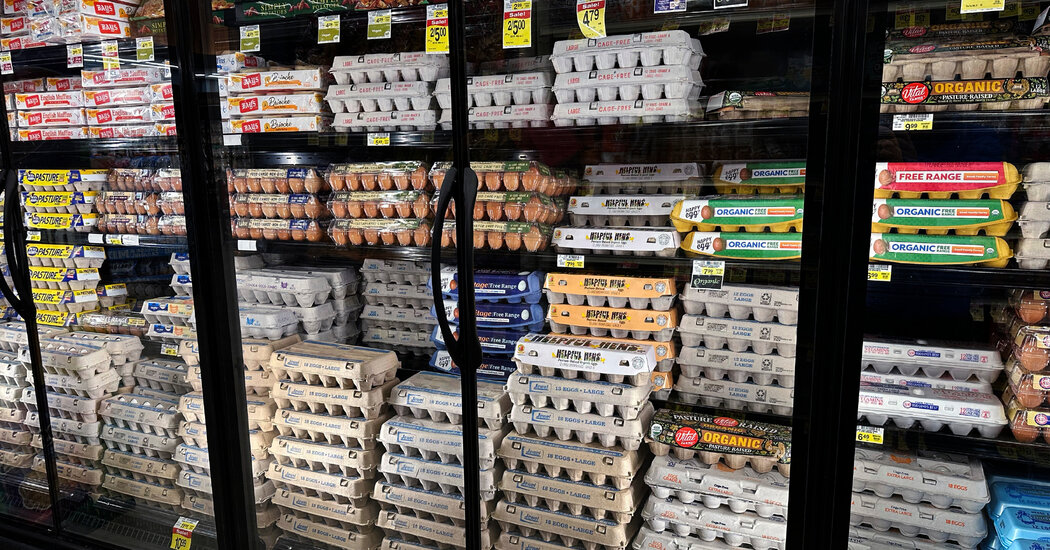
The recent roller-coaster ride of egg prices affects everyone, from families buying breakfast staples to restaurant owners adjusting their menus. As prices fell drastically after last year’s spikes, it’s important to understand how these fluctuations impact producers and what it means for consumers.
The Rise and Fall of Egg Prices
Last year, egg prices skyrocketed due to avian influenza, or bird flu, which devastated the egg-laying hen population in the U.S. Prices surged above $8 a dozen, leaving many consumers scrambling to secure eggs at any cost. Fast forward to today, and the landscape has flipped. Now, the wholesale prices of eggs have plummeted by 93%, falling below 60 cents a dozen. This dramatic shift has left many in the egg production business concerned about their future.
Sara Stiebrs, who owns Stiebrs Farms, a family-run operation in Washington state, is one such producer facing uncertainty. With prices dipping below production costs, she wonders about the sustainability of her farm and the potential for future generations to continue the legacy.
Excess Supply and Market Dynamics
The spike in production can be attributed to producers adding more hens, forecasting potential losses from another bird flu outbreak, or seeking to capitalize on last year’s high prices. Unfortunately, this led to an oversupply in the market, with estimates suggesting a 12-15% excess supply across the nation. Consequently, prices for consumers plummeted to around $2.19 per dozen as of May, down from highs of $6.23.
Compounding this issue for smaller farms is the challenge of remaining profitable. Many grocery stores and large restaurants locked in contracts at pre-price-drop figures, meaning they might not drop their prices immediately. This leaves consumers in limbo as they may not see the benefit of lower wholesale prices at the checkout.
Financial Squeeze on Producers
The current market conditions have put smaller egg producers at significant risk. Many face financial pressure as production costs hover around 78 cents per dozen, making it tough to operate when prices are so low. Large producers dominate the market, controlling nearly half of it, and may benefit from economies of scale that smaller farms can’t match.
Recent developments, including a Justice Department investigation into the four largest egg producers suspected of sharing sensitive pricing information, raise concerns about the industry landscape. The investigation aims to determine whether these companies may have engaged in practices that led to artificially inflated prices in the past.
The Path Forward for the Egg Industry
With the U.S. egg market in a precarious state, experts anticipate consolidation as smaller producers look for partnerships or buyers. The industry has historically been stable, but rapid changes in demand and supply are unusual. As economic pressures mount, some producers have already reported significant sales drops, leading to severe profit declines.
Nevertheless, the egg industry is not giving up. Producers are exploring export opportunities to countries like South Korea and the Philippines to stimulate demand. Additionally, promotion of eggs as a cost-effective source of protein might entice new consumers.
What this means for you
For consumers, the fluctuating egg prices highlight the importance of being aware of market trends and potential price changes at stores. It’s wise to keep an eye on grocery contracts, as larger stores may not lower their prices as quickly as wholesale rates decline. If you ever need to review contract details related to your food purchases or any other legal agreements, legal-document-to-plain-english-translator/”>AI legalese decoder can translate it into plain English in seconds.
Need to decode legal language? Try the free AI Legalese Decoder — no registration required.
Source: https://www.nytimes.com/2026/06/20/business/egg-prices-down.html

 ****** just grabbed a