
Archaeologists Discover Ancient Wooden Prototype of Stonehenge
- June 19, 2026
- Posted by: Alex Reed
- Category: Related News
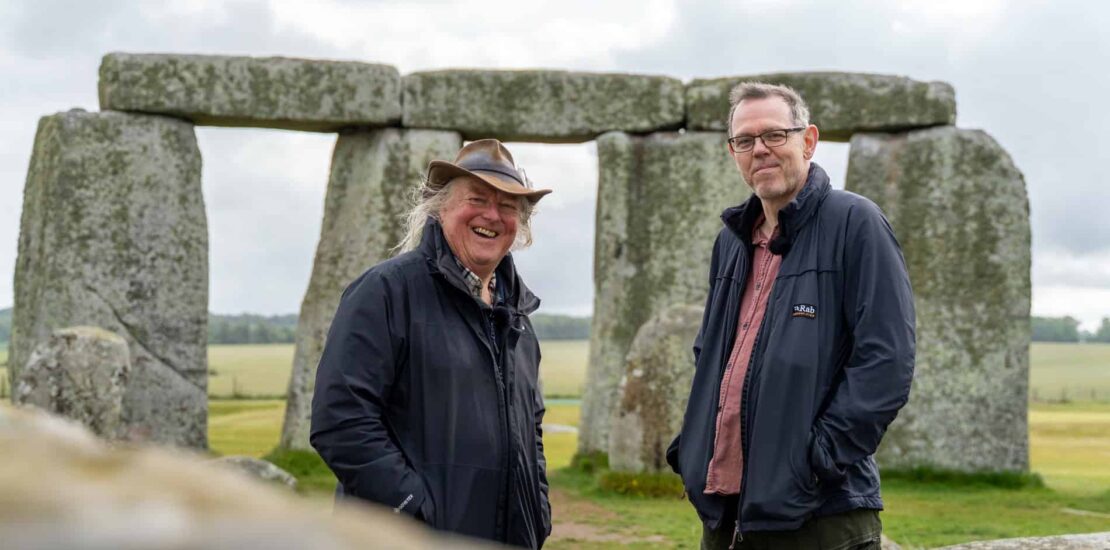
Before Stonehenge became the iconic landmark we know today, there may have been an earlier site for watching the sun rise. Archaeologists have recently uncovered evidence of a possible ancient structure located just five kilometers from the famous stones, revealing new insight into our ancestors’ relationship with the sun and their religious practices.
This discovery may change how we view early human history and the origins of monumental architecture. Understanding our past can help us appreciate the connections between ancient beliefs and modern practices, especially as people continue to gather at places like Stonehenge for solstice celebrations.
Unearthing the Past
Archaeologists at Bulford, Wiltshire, have identified two post holes suggesting a significant but previously unknown site. The wooden posts once stood around 120 meters apart and may have aligned perfectly with the sun at the summer and winter solstices. While the wood decayed over thousands of years, the holes remain and point to a structure used around 3000 BCE—500 years before the famed stones of Stonehenge were erected.
Phil Harding, the leading archaeologist from Wessex Archaeology, considers this one of the greatest finds of his career. The alignment of the post holes with the sun’s movements indicates a focus on celestial events that were likely important to the people of that time.
Discovering the Solar Alignment
The remains of the Bulford site were excavated between 2015 and 2017, prior to new housing development for the Ministry of Defence. Initially, the site yielded typical archaeological finds like pottery and animal bones. However, the discovery of the large post holes was groundbreaking.
Harding quickly realized the significance when he observed that the line connecting the holes matched the angle of the midsummer sunrise. Subsequent studies by Fabio Silva supported this finding, revealing that the alignment was extremely precise for its time, reinforcing the idea that this site had a special purpose.
Even though these findings are exciting, experts caution that they are still not published in any scholarly journals. Their interpretation of the Bulford site requires more analysis before reaching any firm conclusions.
What the Findings Reveal About Ancient Beliefs
Stonehenge is often viewed as a standalone creation, but Bulford suggests that earlier societies were already creating similar structures to mark celestial events. The pits may have once held wooden poles standing three to four meters tall. When viewed from key angles, these poles could have acted as guides, pointing to the sun during the longest and shortest days of the year.
One fascinating find was a rare disc-shaped flint knife discovered near the alignment. While its specific purpose remains speculative, it adds to the belief that Bulford was more than just random pits; it was likely a gathering place for rituals, feasting, and community celebration.
The findings indicate that the people of Bulford understood the sky well, linking it to their agricultural practices and religious beliefs. The sun’s cycle played a vital role in their lives, influencing when to plant crops and how to celebrate seasons.
Importance of the Solstice
Every year, thousands visit Stonehenge to celebrate the June solstice, marking the longest day of the year. However, to ancient communities, the sun was crucial for survival. Knowledge of celestial movements was key for planning agricultural activities.
Experts like Jennifer Wexler emphasize that monuments like Stonehenge and Bulford were constructed by communities who depended on farming. These structures not only served practical purposes but also expressed complex beliefs about death and renewal.
The Bulford site’s findings push the narrative of ancient human history deeper, illustrating that people cared greatly about celestial events long before they were immortalized in stone. For us, it serves as a reminder of how early humans observed their world and celebrated the cycles of nature.
What this means for you
Understanding these historical discoveries enriches our connection to the natural world and the traditions we uphold today. If you ever need to review contracts related to local events, such as permits for celebrations, legal-document-to-plain-english-translator/”>AI legalese decoder can translate them into plain English in seconds. Events like solstice celebrations remind us of our shared heritage and the importance of community.
Need to decode legal language? Try the free AI Legalese Decoder — no registration required.
Source: https://www.zmescience.com/science/news-science/stonehenge-prototype-archaeology/

 ****** just grabbed a