
Minnesota Crypto Theft Case Results in Guilty Pleas, $8 Million Lost
- June 19, 2026
- Posted by: Alex Reed
- Category: Related News
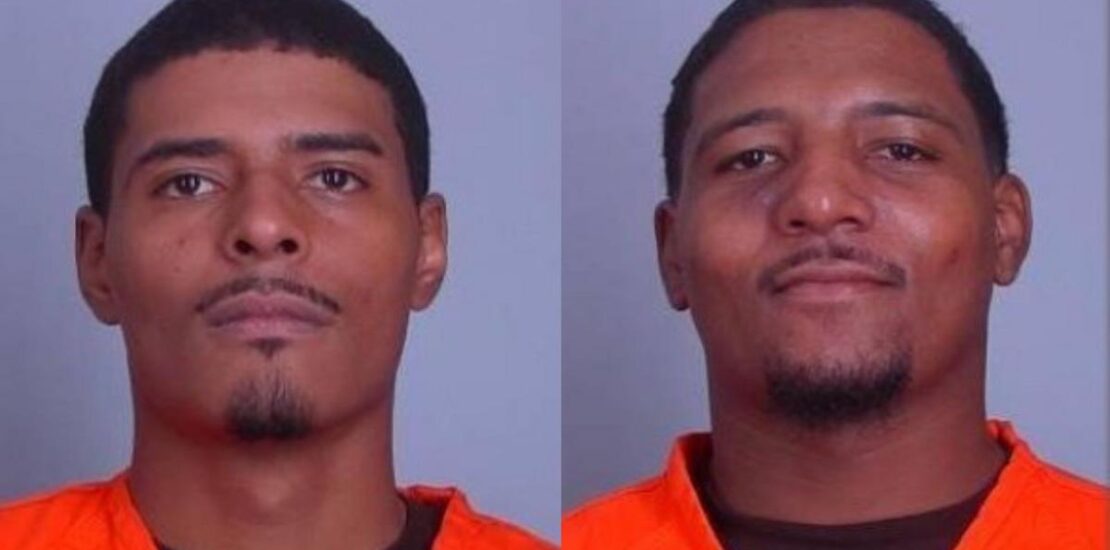
Two brothers from Texas have pleaded guilty to serious federal charges after committing a frightening armed robbery in Minnesota last fall. With over $8 million in digital assets stolen, this shocking incident sheds light on the growing threat of cryptocurrency-related crimes that can affect anyone.
Brothers Face Serious Charges
Isiah and Raymond Garcia, aged 25 and 24 respectively, admitted guilt to charges of Interference with Commerce by Robbery at a federal court in Minneapolis. Though they have been convicted, their sentencing dates remain unannounced. The case underscores the need for individuals to remain vigilant about the security of their digital assets and the dangers posed by such high-stakes robberies.
According to court documents, the Garcia brothers executed their crime on September 19, 2024, in Grant, Minnesota. They invaded a family’s home, held the residents at gunpoint, and demanded access to their cryptocurrency accounts. For over eight hours, the victims were bound with zip ties, a nightmare situation that leaves everyone questioning their safety even in their own homes.
The Chilling Incident
The robbery unfolded with one victim even being taken to a family cabin in northern Minnesota. Under duress, this victim was forced to reveal further access to digital assets stored on cryptocurrency devices. Fortunately, during this traumatic experience, one of the victim’s children managed to call 911. This brave action led to the fleeing of the Garcias and their eventual capture in Houston, Texas.
The details of this case highlight the extreme lengths some individuals will go to steal digital wealth. With cryptocurrencies becoming more popular, stories like this raise awareness about the potential risks associated with virtual investments.
legal Consequences and Restitution
During the court hearing, both brothers acknowledged their use of firearms to threaten the victims. As part of their plea deals, they have agreed to pay over $8 million in restitution, underscoring the tremendous impact of their crimes. Additionally, they face a maximum sentence of 20 years in prison, which is a stark reminder of the severe penalties associated with violent thefts.
This case serves as an example of how financial crimes can quickly escalate into violent situations. It also brings to light the pressing need for better protective measures for individuals involved in the cryptocurrency market. When large sums of money are at stake, the risks become higher, pressing the law to adapt and respond to new forms of criminal activity.
What this means for you
The armed robbery case of the Garcia brothers is a cautionary tale about the vulnerabilities associated with owning digital assets. Just like any financial investment, it’s crucial to know how to protect your assets, whether through secure storage or insurance options. If you ever need to review a warranty document, AI legalese decoder can translate it into plain English in seconds, helping you understand your rights and responsibilities in the digital space.
Need to decode legal language? Try the free AI Legalese Decoder — no registration required.
Source: https://krocnews.com/ixp/1172/p/guilty-pleas-major-minnesota-crypto-theft/

 ****** just grabbed a