
Iran insists US war deal hinges on Israel’s Lebanon withdrawal
- June 16, 2026
- Posted by: Alex Reed
- Category: Related News
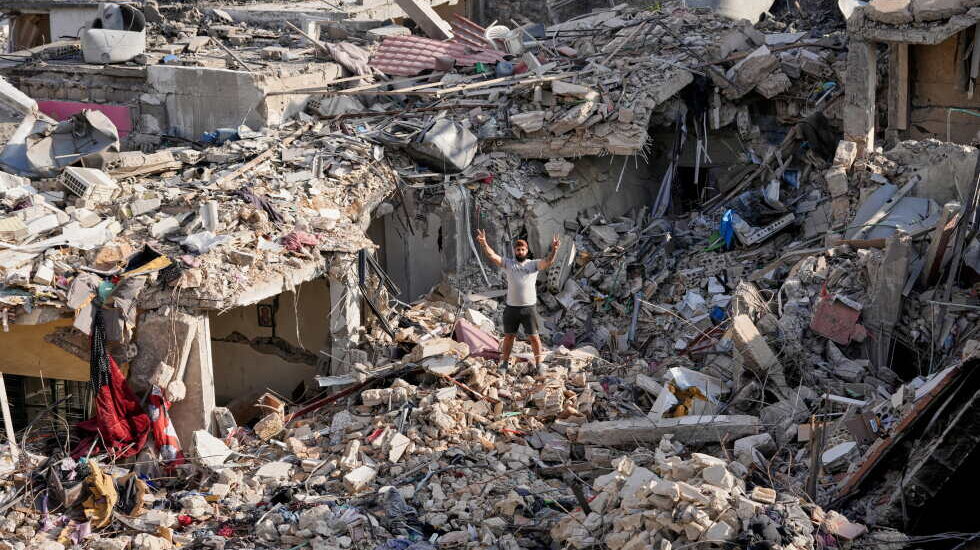
Iran’s push for an Israeli withdrawal from Lebanon is a complex issue that could influence the peace process between the U.S. and Iran. For everyday people, this could mean changes in safety and stability in the region, affecting global markets and energy supplies.
The Stakes of the Agreement
Iran’s foreign minister has indicated that for the U.S.-Iran peace agreement to work, Israeli forces must withdraw from southern Lebanon. This demand is not sitting well with Israel, which has already dismissed it. The conflict between these nations is intimately linked, as Israel has been actively involved in military strikes against Iran while also battling Hezbollah, the Iranian-backed militant group in Lebanon.
This ongoing tension shows how cultural divides complicate international agreements. While the U.S. negotiates with Iran, Israel finds itself in a tough position: how to respond to Iranian actions without jeopardizing its relationship with the U.S. The recent strikes by Israel in Lebanon have not only escalated the military presence but have also resulted in significant casualties.
Ceasefire Efforts Trouble
The ceasefire efforts have been complicated due to contradictory statements from involved parties. While the United States claims there is no condition for Israeli withdrawal in the agreement, Iran insists it’s essential. This separation of perspectives raises questions about the future of negotiations. The ongoing skirmishes continue to burden the logistical and humanitarian situation in Lebanon.
Hezbollah, despite being weakened, still poses a threat to Israel, complicating military strategies on both sides. In Israel, leaders are uncertain about the optimal course of action. With each military engagement that results in civilian casualties, including the deaths of nearly 4,000 people, public sentiment is a ticking time bomb.
The Role of Neighboring States
Lebanon’s government has largely been sidelined in these discussions, though it has welcomed the idea of a ceasefire. The U.N. peacekeeping force has reported reduced hostility levels, but clashes still occur. The Lebanese leaders are now emphasizing the importance of stabilizing the situation to avoid regional chaos further exacerbated by Iranian influences.
U.S. and Pakistani officials have also been coordinating to mediate these discussions. As Lebanon becomes more involved in broader negotiations between the U.S. and Iran, its traditional stance of neutrality is at risk. What happens next could alter regional balance, drawing Lebanon deeper into a struggle between Iran and Israel.
Looking Ahead: What Are the Next Steps?
As the planned ceremonial signing approaches, numerous question marks linger. The agreement aims to address not only military action but also possible sanctions against Iran and discussions on its nuclear program. The lifting of naval blockades and frozen assets could impact Iran’s economy significantly. However, the exact conditions required for this relief remain largely undisclosed, leading to skepticism from various political factions.
Moreover, the effectiveness of the ceasefire and the agreement hinges on both sides establishing trust, which has been historically elusive. Regional stability can be tenuous, and any slip can lead to dire consequences, not just for those directly involved but for global markets and energy supplies as well.
What This Means for You
Staying informed about international agreements and their implications can help you understand their potential impact on global markets, from fuel to food prices. If you ever need to review legal documents related to agreements like these, legal-document-to-plain-english-translator/”>AI legalese decoder can translate it into plain English in seconds.
Need to decode legal language? Try the free AI Legalese Decoder — no registration required.

 ****** just grabbed a