
Courts Challenge the Use of Flawed AI in Legal Briefs
- June 14, 2026
- Posted by: Alex Reed
- Category: Related News
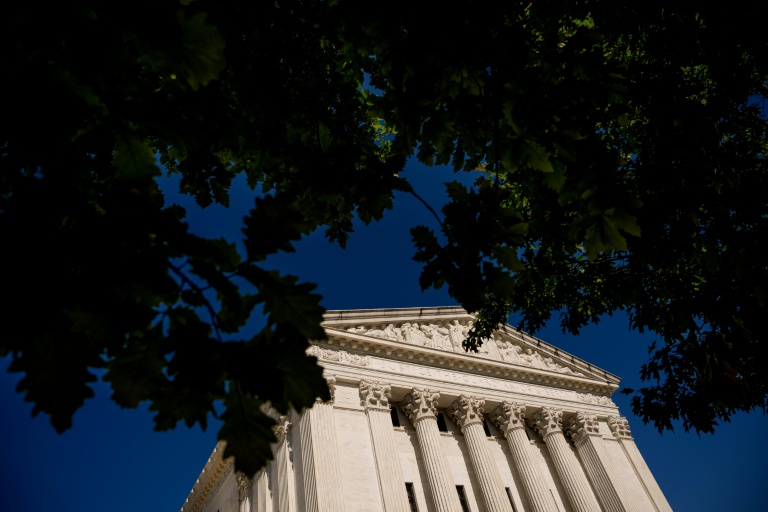
When a lawyer relies on an AI chatbot to write legal documents, the implications can be serious. Recent cases show that mistakes in AI-generated content can lead to legal fines and hurt a lawyer‘s reputation, ultimately affecting those they represent.
AI’s Growing Influence in Law
The legal field is seeing a rise in the use of artificial intelligence for tasks such as research and drafting documents. However, this technology is not without its risks. A recent incident involved a U.S. judge sanctioning a Louisiana lawyer for using AI-generated quotes that were fabricated. The judge discovered the false citations while reviewing a motion in a personal injury case, which led to a fine of $1,000 as well as a mandatory course on the proper use of AI.
The judge’s order stated that ignorance about AI’s risks is no longer an acceptable excuse. In fact, the lawyer failed to thoroughly review the AI-generated brief before submission, believing that the content was accurate. This case is just one among many as courts increasingly encounter AI-related blunders.
The Rising Tide of AI “Hallucinations”
AI “hallucinations” refer to incorrect or fabricated information produced by artificial intelligence. French lawyer Damien Charlotin has collected data showing that AI-generated mistakes are becoming common. His ongoing research has identified around 1,600 examples globally, with the U.S. accounting for over 1,100 of these cases.
These errors can compromise not just a lawyer‘s credibility but also waste valuable resources for both the court and opposing parties. A New York judge criticized the time and money lost due to such inaccuracies, highlighting the importance of reliability in the legal system.
Charlotin notes that most lawyers using mainstream chatbots, like OpenAI’s ChatGPT, are more prone to these mistakes. While specialized legal AI tools offer better accuracy, they are not immune from errors. The challenge remains that no lawyer can recall every past case, making it essential to verify any legal references provided by AI.
Judicial Responses and Consequences
In light of growing concerns, judges have begun imposing sanctions not only on lawyers but also on clients who submit poor-quality AI-assisted documents. A notable case in Mississippi saw four lawyers fined a total of $8,000 for including non-existent cases in their briefs. Two of them were even banned from practicing in the district for two years.
The rising number of AI-related sanctions reflects the need for lawyers to be diligent in verifying all information before presenting it to the court. Despite the pressure of time and workload, judges are urging attorneys to take responsibility for the material they submit, emphasizing that using AI does not exempt them from this duty.
What this means for you
For anyone interacting with the legal system, understanding the potential for inaccuracies in AI-generated documents is crucial. If you ever need to review a legal document like a contract or agreement, legal-document-to-plain-english-translator/”>AI legalese decoder can translate it into plain English in seconds. Always double-check information when it comes to legal matters to ensure your interests are protected.
Need to decode legal language? Try the free AI Legalese Decoder — no registration required.
Source: https://www.yahoo.com/news/us/articles/courts-cracking-down-error-strewn-022945093.html

 ****** just grabbed a