
Kash Patel Continues His Legal Battle Against Media Outlets
- June 14, 2026
- Posted by: Alex Reed
- Category: Related News
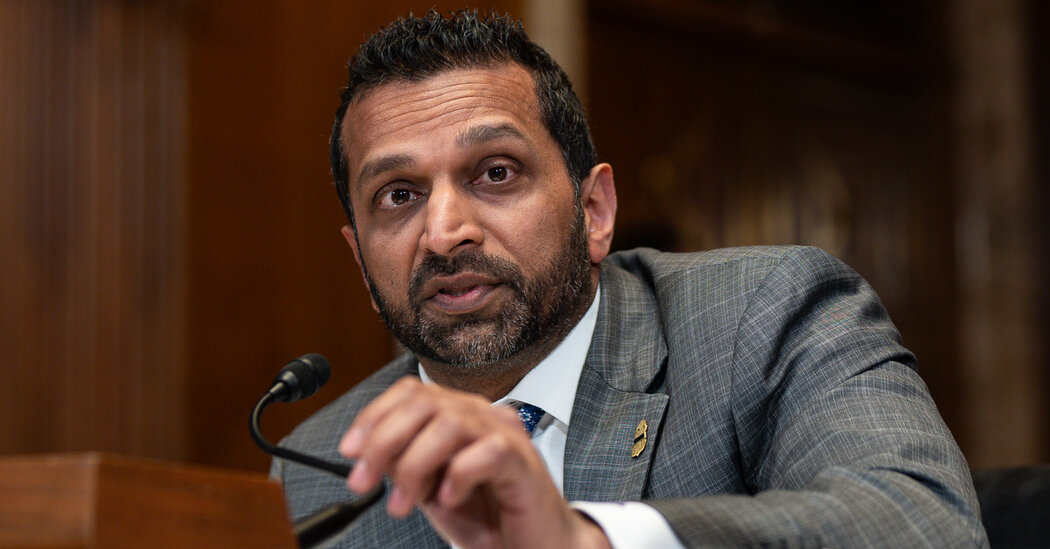
In recent years, lawsuits against media outlets by public figures have become more common, raising questions about free speech and accountability. Kash Patel, once a White House aide and now the director of the F.B.I., is at the forefront of this trend, having filed multiple defamation suits against various news organizations. Understanding these cases matters because they highlight the ongoing battle between public officials and the media, which can affect how news is reported and consumed.
Patel’s legal Battles with News Outlets
Kash Patel has taken legal action against several high-profile news organizations, claiming they misrepresented his actions. In 2019, he sued Politico, The New York Times, and CNN over their coverage of his role in President Trump’s dealings with Ukraine. His intention was clear: to challenge the narratives that he believed damaged his reputation. In 2023, he filed another lawsuit, this time against blogger Jim Stewartson, demanding $10 million for defamation after Stewartson called him a derogatory term. Most recently, Patel brought a case against The Atlantic, pursuing a staggering $250 million in damages due to an article that alleged erratic behavior and drinking problems.
Despite these suits, Patel has not yet achieved a favorable outcome in court. Each news organization has stood firm in its defense, citing First Amendment protections that shield journalism, even when it is critical of influential figures.
The legal Landscape of Defamation Suits
The phenomenon of public officials suing media for defamation has noticeably increased, particularly during and after the Trump administration. Kash Patel mirrors former President Trump’s approach of combating unfavorable press through legal channels. Over nearly seven years, Patel has filed at least six defamation lawsuits against various media entities, raising eyebrows about his true intentions.
legal experts suggest that these lawsuits may serve multiple purposes, including intimidating journalists and incurring significant legal costs for media organizations. Sonja R. West, a law professor, indicates that these actions may aim to disrupt narratives and send a strong message to journalists about the potential consequences of their reporting.
Despite the pressing nature of these claims, Patel’s past lawsuits have sometimes stalled or collapsed due to procedural issues. For instance, he had previously attempted to sue The New York Times, citing damage to his reputation but later dropped the case after failing to properly serve it.
Challenges for Public Figures in Court
Those who file defamation suits face strict legal standards, especially public officials like Patel. In order to win, they need to demonstrate that the statements made were false and published with “actual malice,” meaning knowingly or with reckless disregard for the truth. This standard is designed to protect robust public discourse, allowing criticism of public figures without excessive fear of retaliation through lawsuits.
Even though Patel has robustly defended his actions to maintain accountability for allegedly false reporting, experts suggest his legal battles are challenging. Courts have often dismissed claims based on the belief that critical coverage is part of a healthy democracy. A federal appeals court even supported the dismissal of Patel’s claims against CNN, emphasizing that his accusations did not sufficiently meet the legal bar for defamation.
Implications for Media and Free Speech
The ongoing lawsuits filed by Patel and their outcomes could have significant implications for media organizations. As public officials increasingly challenge journalism, they influence the environment in which reporters operate. Restrictions on press freedom could arise from the fear of legal repercussions for criticism. Furthermore, the number of controversial lawsuits adds a layer of complexity to the relationship between the press and public figures.
Court rulings in these cases are keenly watched not just by lawyers and journalists but also by the general public who rely on media for informed decision-making. The ability for journalists to report without fear of retaliation is essential for a healthy democracy.
What this means for you
Understanding how defamation lawsuits can impact media reporting helps highlight the importance of robust journalism. If you ever need to review public statements or press materials that could involve legal language, legal-document-to-plain-english-translator/”>AI legalese decoder can help translate it into plain English in seconds. Knowing your rights as a consumer of information is key to navigating today’s media landscape.
Need to decode legal language? Try the free AI Legalese Decoder — no registration required.
Source: https://www.nytimes.com/2026/06/14/business/media/kash-patel-defamation-lawsuits.html

 ****** just grabbed a