
Ebola Outbreak in DRC: Will It Become the Deadliest Yet?
- June 14, 2026
- Posted by: Alex Reed
- Category: Related News
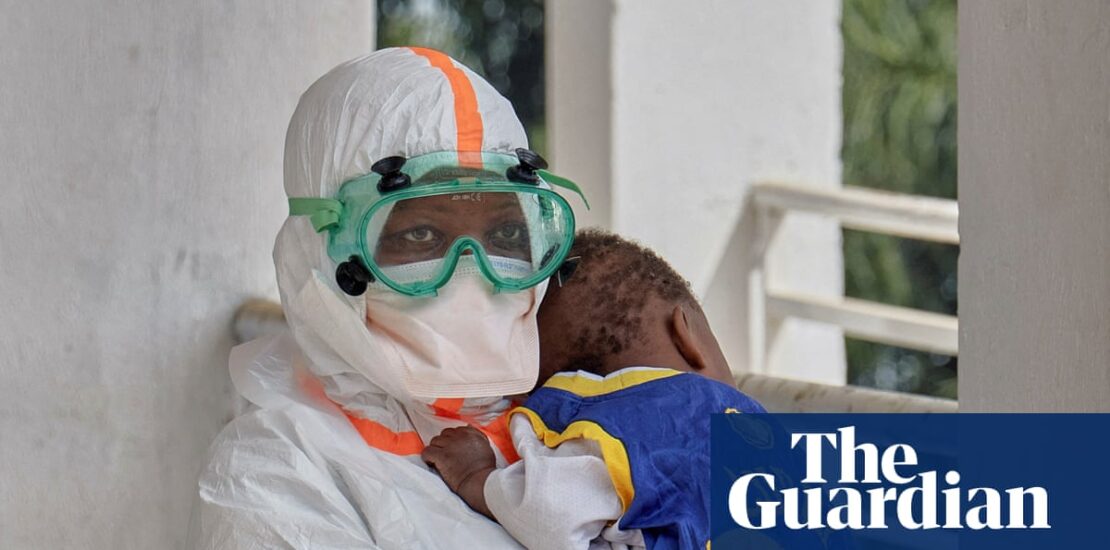
When a deadly virus strikes a community, it raises concerns for everyone, especially those with loved ones in affected areas. The recent Ebola outbreak in the Democratic Republic of the Congo has a cascading impact that can affect global health dynamics, travel, and even the economy.
The Current Situation in Bunia
In Bunia, an orphanage took in a newborn baby whose mother died from Ebola. The nuns caring for him hoped to give him a second chance at life, but tragically, he passed away just two weeks later. This loss has alarmingly spread, as four nuns who cared for the infant have now contracted the deadly virus themselves. This troubling incident highlights the ongoing crisis surrounding the outbreak, which is seeing a sharp increase in confirmed cases every week.
According to the World Health Organization (WHO), the outbreak, fueled by the Bundibugyo virus, has resulted in 676 confirmed cases and 136 deaths within a short span. The majority of these cases are concentrated in Ituri province, which is becoming the epicenter of this public health disaster. Health officials emphasize that all children and staff at the orphanage are now being monitored for symptoms, further showcasing the virus’s reach.
Shortages and Response Challenges
Frontline healthcare workers are facing numerous challenges in combating the outbreak. Notably, they are struggling with significant shortages of essential supplies like personal protective equipment and adequate transportation for deceased individuals. While testing has improved, health experts believe it still needs to be quicker and more accessible to patients who require immediate care.
Despite millions of dollars pledged by the international community for Ebola response efforts, local representatives claim these resources have not yet been effectively allocated on the ground. Gratien Iracan, a local MP, expressed frustration on social media about the lack of visible support in the area.
Neighboring Uganda, which has reported 19 cases and two deaths, is cautiously optimistic, as contact tracing is keeping their situation under control. However, travel restrictions imposed on individuals from the Democratic Republic of the Congo (DRC) by multiple countries, including the U.S., could have negative repercussions for international aid efforts.
The Need for Community Trust
One of the significant hurdles in fighting the outbreak is community trust. Many locals harbor doubts about the existence of Ebola, instead blaming health workers for spreading the virus. Misinformation has led to resistance toward health measures and decontamination efforts. It is critical for health agencies to foster trust within communities, as many residents are afraid to seek medical help or report cases due to fear and misinformation.
Moreover, traditional funeral practices often prioritize burial rituals over medical advice, complicating efforts to contain the virus. Studies from previous outbreaks reveal that unsafe burial practices can lead to multiple subsequent infections. Public health officials are now increasing their outreach through local community leaders to educate the population about the risks associated with Ebola and the need for urgent medical intervention.
Looking Ahead: Potential Solutions
As healthcare workers bravely continue their fight against the outbreak, there is a glimmer of hope with scientists researching vaccines and effective antiviral treatments for the Bundibugyo virus. Daily meetings among various organizations working to coordinate a response aim to streamline efforts.
The Africa CDC has reported a need for an estimated $518 million over the next six months to control the outbreak. While some initial donations have been made, experts warn that many pledges have yet to materialize into real support on the ground.
More than just a health crisis, the evolving Ebola situation in DRC highlights systemic issues such as political instability and conflict that complicate response efforts. Monitoring contacts efficiently remains a challenge, as many confirmed cases are still unaccounted for within communities.
What this means for you
The Ebola outbreak serves as a reminder of the importance of reliable healthcare and community trust in times of crisis. If you ever need to review health-related documents, such as consent forms or insurance claims, legal-document-to-plain-english-translator/”>AI legalese decoder can help translate them into plain English in seconds. Remember, staying informed and ensuring your health rights are understood is vital in any health crisis.
Need to decode legal language? Try the free AI Legalese Decoder — no registration required.
Source: https://www.theguardian.com/world/2026/jun/14/drcs-ebola-outbreak-become-the-most-deadly-yet

 ****** just grabbed a