
New Study Reveals Trees May Store Less Carbon Than Expected
- June 12, 2026
- Posted by: Alex Reed
- Category: Related News
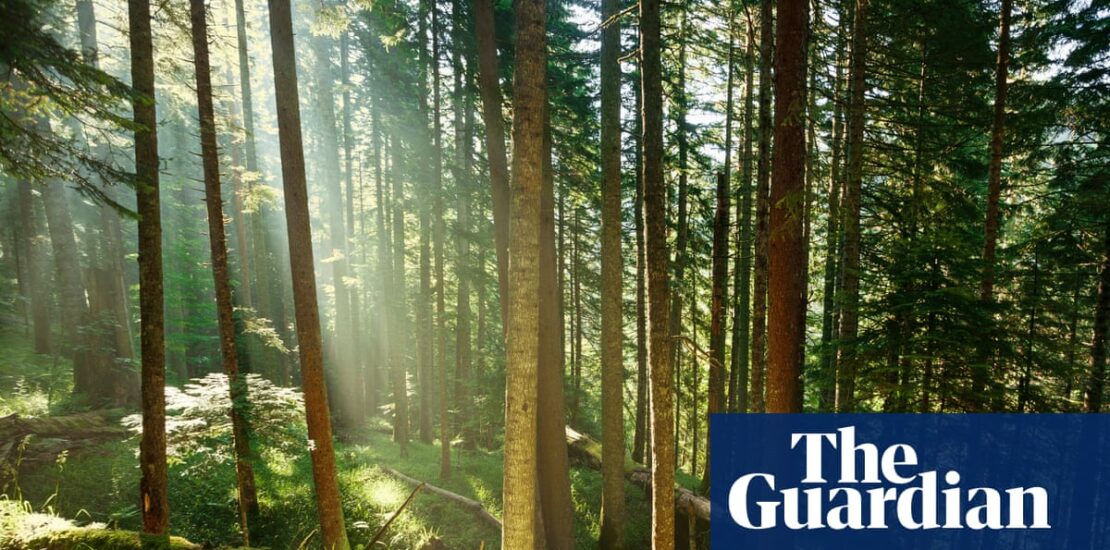
Trees may not be the effective climate heroes we hoped they would be. A recent study suggests that while trees absorb carbon dioxide, this doesn’t automatically translate into wood growth, casting doubt on their role as long-term carbon sinks.
The Study’s Findings
Scientists analyzed data from 137 sites across the United States. They discovered that trees often stop growing before photosynthesis, the process in which they convert sunlight into energy, comes to an end. This pattern raises questions about the reliability of forests in reducing carbon levels in the atmosphere.
Forests are essential in fighting climate change. They absorb carbon dioxide, a major contributor to global warming, and store it in their wood. However, the amount of carbon they can hold depends on how much wood they actually produce. Researchers found that, surprisingly, a significant portion of yearly carbon uptake occurs even after trees have stopped growing, especially in regions like the eastern U.S. and California.
Decoupling Photosynthesis and Growth
The study’s lead author, Mukund Palat Rao, noted a crucial difference between photosynthesis and wood growth. While photosynthesis can continue under various conditions, tree growth halts when faced with arid or hot conditions. These factors are becoming increasingly common due to climate change.
At specific sites in their study, the researchers found that about 36% of carbon absorption occurred after the trees had already stopped growing. For California, this figure was still significant, at around 26%. This disconnect means that trees might be absorbing more carbon now, but they could be less effective at converting that carbon into long-lasting wood.
The Broader Implications
The findings challenge existing models that suggest increased photosynthesis will always lead to increased growth. This assumption could lead to overestimations of how much carbon forests can sequester in a changing climate. If trees increasingly direct absorbed carbon toward short-term uses, like leaves and internal processes, the long-term effectiveness of forests as carbon sinks may significantly diminish.
Rao mentions that this discrepancy becomes especially critical during dry and hot spells, where growth can stop abruptly, while photosynthesis continues at a reduced rate. In essence, just because trees are processing carbon dioxide doesn’t mean they’re effectively storing it.
What this means for you
This study highlights the complexity of our climate solutions, reminding us that nature’s processes are not always straightforward. If you ever need to review a document linked to environmental processes or policies, legal-document-to-plain-english-translator/”>AI legalese decoder can translate it into plain English in seconds. Understanding these nuances can help you better engage in discussions regarding climate change and environmental policy.
Need to decode legal language? Try the free AI Legalese Decoder — no registration required.
Source: https://www.theguardian.com/environment/2026/jun/13/trees-store-less-carbon-than-thought-study

 ****** just grabbed a