
Elon Musk’s SpaceX IPO Makes Him the First Trillionaire
- June 12, 2026
- Posted by: Alex Reed
- Category: Related News
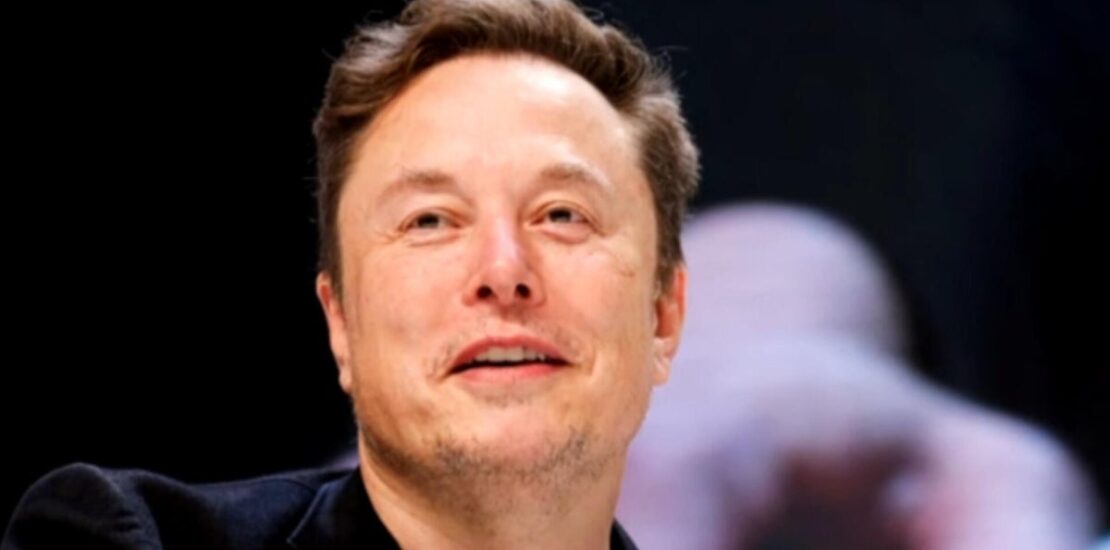
Elon Musk has made headlines by becoming the world’s first trillionaire, at least on paper. As SpaceX’s stock debuted strongly in the market, this milestone sparks questions about wealth distribution and economic power in today’s society.
The SpaceX IPO and Musk’s Wealth Surge
Musk’s extraordinary rise to trillionaire status stems from SpaceX pricing its initial public offering (IPO) at $135 per share. Before this IPO, Musk already had a staggering net worth of $813 billion, significantly dwarfing that of the second richest person, Google co-founder Larry Page, who is worth around $288 billion.
Once the shares began trading, Musk’s fortune surged, peaking at roughly $1.18 trillion at an intraday high of $168.75 per share. This leap not only sets a personal record for Musk but also highlights a broader trend of immense wealth concentration, reminding us that only 19 countries have a gross domestic product (GDP) exceeding $1 trillion. Musk’s wealth growth could easily rival many nations.
A New Era of Wealth Inequality
The rise of individual trillionaires raises important questions about economic fairness. Oxfam America’s senior director of economic justice, Nabil Ahmed, emphasized that Musk’s new status reflects a “new Gilded Age” of wealth inequality. He pointed out that having someone like Musk, with such vast wealth, amidst a backdrop of widespread economic challenges underlines the gap between the ultra-wealthy and the average individual.
It’s not only Musk who benefits from SpaceX’s success. The IPO is also expected to make around 4,400 SpaceX employees millionaires, offering them a share of the financial gains. However, Musk’s immense stake in the company ensures he remains the primary beneficiary of this windfall.
Breaking Down Musk’s Wealth
Musk owns an estimated 4.8 billion shares of SpaceX, which accounts for about 42% of the company. Additionally, he holds 350 million stock options that can be exercised at a price of $8.39 per share. With shares priced at $135, his current stake is valued at approximately $648 billion. The value of his stock options adds another $44.3 billion to his net worth.
Before the IPO, Musk’s shares were valued lower, so the IPO has significantly increased his financial standing. At one point during trading, his net worth climbed further, showcasing just how volatile and unpredictable stock markets can be. Such drastic shifts in wealth often leave many ordinary people concerned about their own financial stability.
The Broader Implications
Musk’s journey to trillionaire status isn’t just a reflection of his business acumen; it is a significant indicator of wealth disparity in today’s world. His wealth exceeds that of the bottom 46% of the world’s population, combining roughly 3.8 billion people, according to Oxfam.
This extreme concentration of wealth raises ethical questions and discussions about economic regulations. While it may seem that one person’s wealth doesn’t affect the average individual directly, it can have profound implications for societal structures and opportunities in many areas.
What this means for you
Understanding how wealth is distributed in society can help you think critically about economic opportunities and fairness. If you ever need to review contract terms, like those in sponsorship agreements or employment contracts, legal-document-to-plain-english-translator/”>AI legalese decoder can decode the fine print into clear, understandable language. Being informed about your rights and obligations in any agreement is crucial.
Need to decode legal language? Try the free AI Legalese Decoder — no registration required.
Source: https://www.cbsnews.com/news/elon-musk-spacex-ipo-trillionaire-wealth/

 ****** just grabbed a