
CPU Market Set to Expand Fivefold by 2030, According to BofA
- June 11, 2026
- Posted by: Alex Reed
- Category: Related News
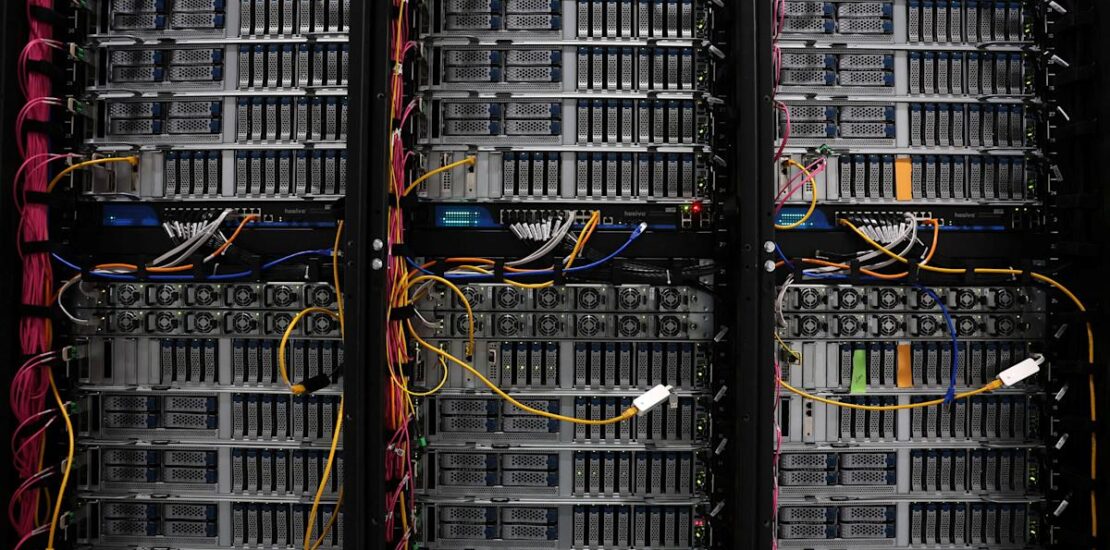
The server CPU market is poised for explosive growth, driven largely by advancements in artificial intelligence (AI). This surge is not just important for tech companies; it can affect everyday consumers, from their smartphones to services they rely on.
The CPU Boom Explained
According to recent research, the total addressable market for server CPUs could reach over $170 billion by 2030. This is a huge increase from just $35 billion in 2025—more than a fivefold expansion. Analyst Vivek Arya from BofA Global Research notes that the rise of “agentic AI,” or intelligent digital assistants, is a key factor in this growth. These AI agents perform tasks for users, making the need for powerful central processing units (CPUs) more significant than ever.
While graphics processing units (GPUs) have traditionally led data center budgets, CPUs from major players like Intel and AMD are beginning to capture a larger share of the market. The shift towards agentic AI means that CPUs will increasingly handle essential tasks. For example, when an AI agent organizes your calendar or finds an email, it’s the CPU behind the scenes doing the heavy lifting.
The Role of Agentic AI
So, what exactly is agentic AI? Unlike traditional AI systems, which may simply follow pre-set rules, agentic AI can operate autonomously or semi-autonomously. This means they can make decisions and complete tasks with minimal user input. Tools such as OpenAI’s Codex and Google’s Gemini are examples of popular platforms that enable users to build their own AI agents.
As more consumer devices, like laptops and smartphones, adopt these agentic features, the demand for powerful CPUs will only rise. This trend is not just a technical upgrade; it has real-world implications as AI becomes a more integral part of daily life. Whether it’s managing tasks or enhancing productivity, CPUs will play a critical role.
The Investment Landscape
The buzz around CPUs is also impacting the stock market. Companies like Intel and AMD have experienced substantial increases in their stock prices—436% and 280%, respectively, over the past year. These gains are partly attributed to Intel’s recent moves to develop chips for tech giants like Google and Nvidia.
Intel and AMD may be the front-runners, but they’re not alone. Other companies, like Nvidia and Qualcomm, are also making strides in the CPU market. Nvidia has launched its own CPU as part of the Grace Blackwell superchip, while Qualcomm plans to introduce its data center CPU soon. This competition could lead to even more innovation and lower prices for consumers.
Wider Implications of CPU Growth
The implications of this growth extend beyond just tech companies. As AI continues to evolve, it will reshape various industries. For consumers, this could mean more efficient services, from healthcare to finance, all driven by powerful CPUs and smarter AI systems. The ripple effect could touch everything from job markets to daily life.
With rising expectations for speed and performance in devices and services, consumers may find themselves benefiting from advanced technology in unexpected ways. Consequently, understanding how these changes influence the tech landscape can help individuals make informed choices about their devices and services.
What this means for you
As the server CPU market grows, consumers will likely see enhanced features in everyday tech products. You’ll benefit from smarter, more efficient devices and services. If you ever need to review any tech-related agreements, like terms of service or privacy policies, legal-document-to-plain-english-translator/”>AI legalese decoder can help decode the fine print into plain English.
Need to decode legal language? Try the free AI Legalese Decoder — no registration required.
Source: https://uk.finance.yahoo.com/news/cpu-market-to-grow-5x-by-2030-bofa-says-180454617.html

 ****** just grabbed a