
John Healey steps down as defence secretary over military spending concerns
- June 11, 2026
- Posted by: Alex Reed
- Category: Related News
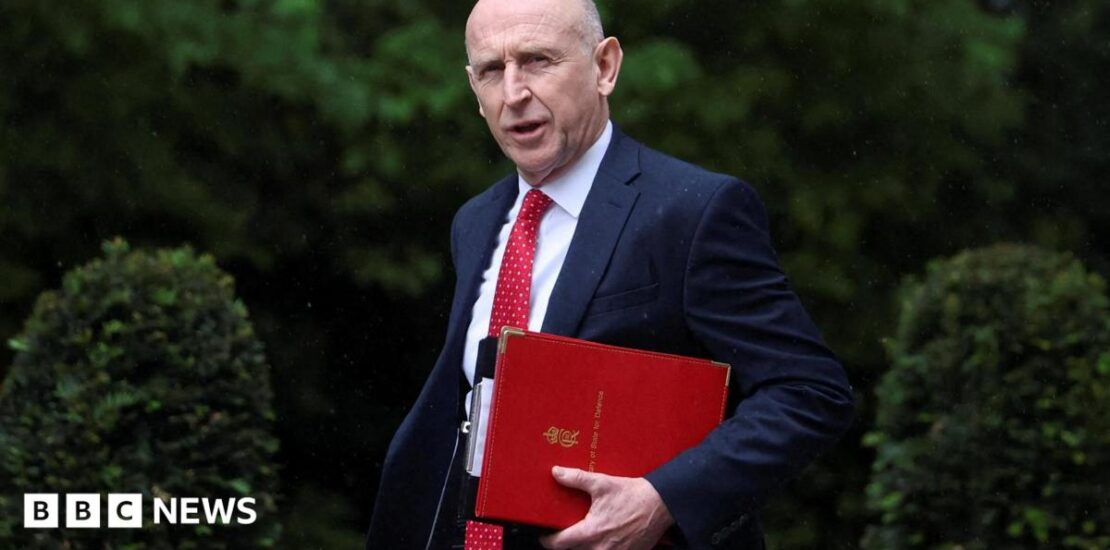
In recent months, a heated debate has emerged surrounding the government’s commitment to military spending, a topic that could directly impact public safety and national security. Changes in defense budgeting often trickle down to citizens, affecting everything from public services to international relationships.
The Pledges on Defense Spending
In February 2025, the UK government made significant promises regarding defense spending. They aim to increase this budget to 2.5% of the Gross Domestic Product (GDP) by 2027. However, unexpected changes in the definition of defense spending have now set this goal at a slightly higher figure of 2.6%.
Moreover, the government’s long-term ambition is to push defense spending to 3% during the next parliamentary term. This increase is part of a broader commitment to meet NATO’s target of spending 5% of GDP on national security by 2035. This financial allocation would involve 3.5% geared toward core defense and 1.5% focused on critical infrastructure protection and civil preparedness.
Concerns Raised by Leaders
Recently, several leaders, including key figures in government, have expressed concerns. In his resignation letter, the former Secretary of State for Defence, Healey, criticized the Prime Minister for not allocating sufficient resources to meet the military’s needs. In his statements, Healey emphasized there are effective strategies for addressing mid-term funding challenges. However, he also warned that the existing financial plans do not meet the requirements for military readiness.
Healey pointed out that there is an urgent need for increased funding “in the first two years,” yet the extra resources planned are not set to roll out until later. This situation raises questions about how quickly the military can respond to emerging threats.
Understanding the Financial Implications
As public discussions continue, it’s essential to grasp what these defense spending commitments could mean for everyone. The proposed increases may lead to reallocations of government funds. This could potentially impact public services and other sectors of the economy.
Also noteworthy is Healey’s assertion that the projected increase in defense spending only rises to 2.68% of GDP by 2030, a figure that indicates limited growth from the earlier commitment of 2.6% set for 2027.
The ongoing situation reflects a complex balancing act involving national security, budget constraints, and economic health. As conversations around national defense evolve, so too do the implications for every citizen.
What this means for you
For everyday citizens, increased defense spending could mean a shift in how public resources are allocated, which may directly affect services you rely on. If you ever need to review a government letter regarding spending or services, legal-document-to-plain-english-translator/”>AI legalese decoder can translate it into plain English in seconds. Understanding these financial commitments is crucial as they may influence your life in various ways.
Need to decode legal language? Try the free AI Legalese Decoder — no registration required.

 ****** just grabbed a