
Super Oyster Initiative Tackles Climate Change in Hong Kong
- June 9, 2026
- Posted by: Alex Reed
- Category: Related News
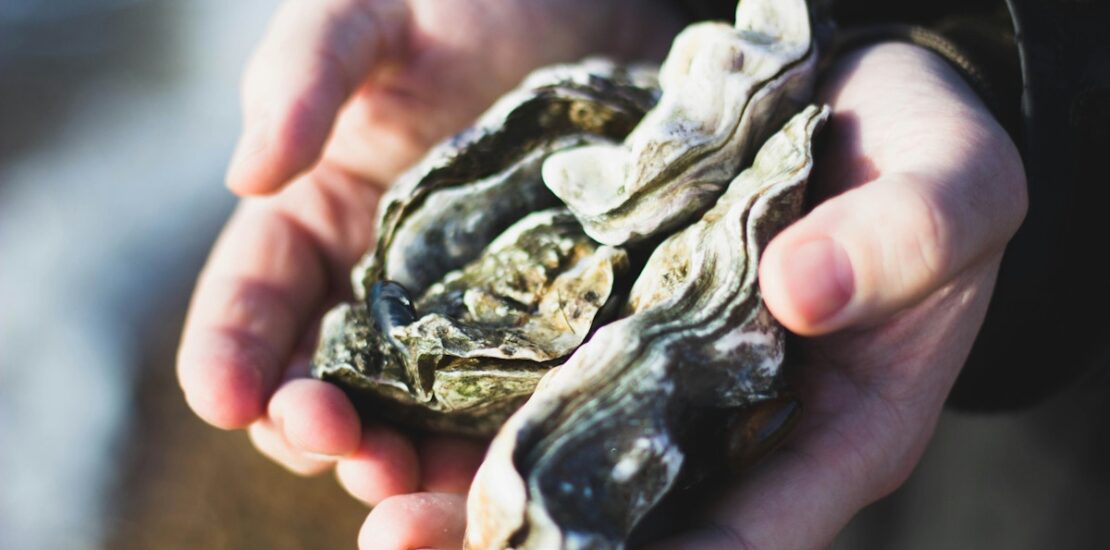
The world of oyster farming in Hong Kong is facing a serious crisis, and it affects everyone from local consumers to global seafood markets. As climate change disrupts traditional harvesting cycles, the survival of a beloved local delicacy hangs in the balance.
The Unique Heritage of Hong Kong Oysters
Oysters produced in Hong Kong, scientifically known as Crassostrea hongkongensis, are unique. They thrive in less saline waters and are more robust than the common Pacific oyster. Locally harvested, many of these oysters are either served fresh in hotpots or dried along the shore for trading. Dried Hong Kong oysters, often featured in Lunar New Year celebrations, symbolize prosperity and good fortune in Cantonese culture. Families typically pan-fry or braise them with various ingredients, hoping to usher in a year full of blessings.
However, the oyster farms are now facing a crisis that threatens both the culture and the economy surrounding this cherished seafood. Climate change has started to wreak havoc on more than just the environment—it’s affecting the way of life for many farmers and seafood lovers alike.
Climate Change’s Toll on Oyster Farming
Traditionally, the harvest season for Hong Kong oysters would reach its peak around September or October. But climate change has disrupted these rhythms, pushing the harvesting period into January and February and shortening it from six months to just three. The warmer winters have also led to significant die-offs during springtime, which have become more frequent in recent years.
Farmers report that around a decade ago, oyster die-offs occurred once every ten years. Now, they happen every three to six years, devastating up to 70 percent of their crops. The warming waters and higher salinity affect the oysters’ health, making them more susceptible to pathogens. This has created a cycle of destruction that many farmers struggle to manage. The sight of a shucked, discolored oyster is a telltale sign of underlying issues, and for farmers, it represents a devastating loss.
Increasing Threats from Extreme Weather
The situation has worsened due to the rise in super typhoons, which are becoming more frequent and intense. In a single year, Hong Kong experienced 14 tropical cyclones—more than double the long-term average. These storms can destroy entire oyster farms in a matter of hours. Farmers have felt the brunt of these natural disasters, leading many to reconsider their futures in the industry.
For instance, one oyster grower lost a significant portion of his crop to Super Typhoon Hato and faced nearly a complete wipeout with Super Typhoon Mangkhut shortly after. The emotional and financial toll has forced many elder farmers to retire, dwindling the number of active oyster farming households from around 300 at the industry’s peak to approximately 70 today.
Innovations and Hopes for the Future
While challenges abound, hope still flickers among researchers and farmers. Scientists at the University of Hong Kong are exploring ways to bolster the resilience of oyster stocks. By examining genetic traits, they have identified strains more likely to thrive in high-salinity conditions—conditions that are becoming the norm due to climate change.
One promising result of this research is the development of a new oyster strain dubbed the "Hong Kong Super Oyster." This strain boasts a survival rate of 30-40 percent in challenging conditions, a substantial improvement over the less than 10 percent survival rate of traditional oysters. The vision is to eventually enhance this figure to 80 percent, offering local farmers a lifeline.
Despite these advancements, the industry remains fragile. Urbanization poses another threat, as developments in Hong Kong aim to transform traditional farming areas into commercial hubs. However, some proposals promise to conserve parts of the bay and even attract tourism focused on oyster cultivation.
What this means for you
The fate of Hong Kong’s oyster farms exemplifies how climate change impacts local economies and cultures—a trend that could affect various industries. If you ever need to review any legal documents related to seafood, such as supply agreements or liability waivers, legal-document-to-plain-english-translator/”>AI legalese decoder can translate them into plain English in seconds. Understanding the wider implications of these challenges is essential for consumers and communities alike.
Need to decode legal language? Try the free AI Legalese Decoder — no registration required.
Source: https://www.eco-business.com/news/super-oyster-versus-climate-change-in-hong-kong/

 ****** just grabbed a