
Nithya Raman Faces Off Against Mayor Karen Bass in November Runoff
- June 9, 2026
- Posted by: Alex Reed
- Category: Related News
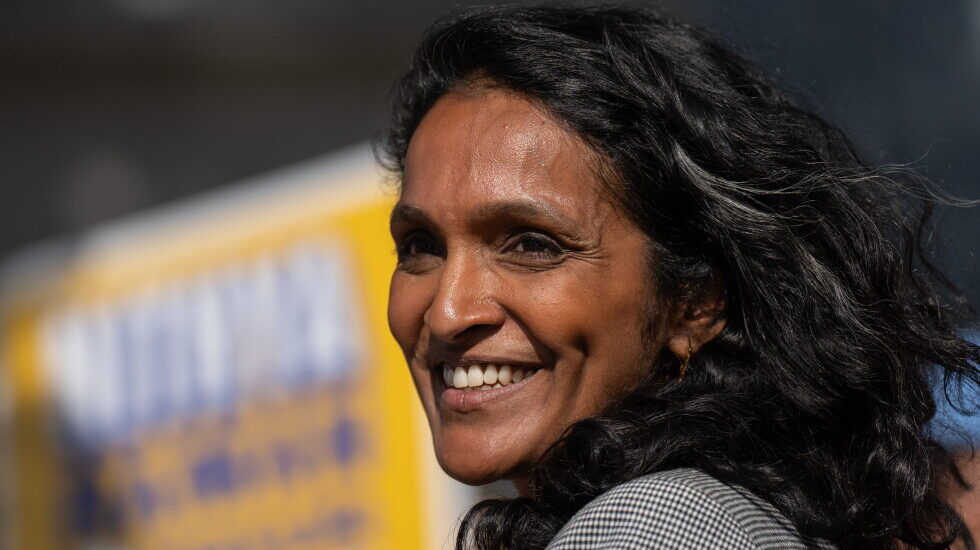
Los Angeles is buzzing with political tension after city council member Nithya Raman advanced to a runoff against Mayor Karen Bass. This unexpected matchup not only reflects the shifting political landscape in a city of nearly 4 million residents but also shows how elections can reshape policy and governance in everyday life.
A New Political Landscape
Nithya Raman, who previously supported Mayor Bass, is now challenging her for the mayoral seat. This election is notable because it features two prominent Democrats who were once political allies. The candidates offer voters starkly different visions for Los Angeles, a city grappling with serious issues like homelessness, deteriorating infrastructure, and rising housing costs.
Raman is positioning herself as a candidate for change, emphasizing the need to confront these issues head-on. She stated, “If you’re as frustrated by the broken status quo as I am, I hope you’ll join our movement to build a city that works for everyone.” Her focus on social equity resonates with many voters who feel neglected by traditional political practices.
In contrast, incumbent Mayor Bass, the first Black woman to hold the position, is backed by significant figures such as Governor Gavin Newsom and former Vice President Kamala Harris. Despite her endorsements, the mayor received under 35% of the vote during the primary, indicating vulnerabilities in her leadership.
Vote Counting Challenges
One key factor in this race is California’s slow vote-counting process. Unlike many states, California allows mail-in ballots to be counted if they are postmarked by Election Day and received within a week after. Los Angeles follows a system where ballots are counted in the order they arrive, resulting in a lengthy tallying process that can significantly influence election outcomes.
After polls closed, early mail-in votes gave Bass an initial lead, followed by later counts that benefitted Raman. As additional ballots were tallied, Raman surged ahead of Republican candidate Spencer Pratt, ultimately securing her place in the upcoming runoff. The time-consuming vote count process highlights how late-arriving ballots can impact election results and shift political landscapes.
Shifting Political Positions
Raman’s candidacy also reflects a shift in political stances. Initially elected to the city council with support from progressive groups, she has adapted her views on several controversial issues. For instance, she opposed no-camping zones intended to combat homelessness but has moderated her stance recently, stating she wouldn’t block those measures if elected mayor.
Similarly, her evolving views on policing are notable. Previously advocating for a reduced police force, she’s now accepted the current size of the Los Angeles Police Department, indicating a willingness to adapt her approach to meet voter demands. These changes demonstrate her attempt to appeal to a broader audience as she looks to build coalitions in a diverse city.
Raman’s political journey illustrates how candidates must navigate the complexities of public opinion. Both candidates face the challenge of attracting voters who seek tangible solutions to pressing urban problems.
Voter Sentiment and the Future
The mood among voters is one of frustration, with many feeling that their concerns about homelessness and local governance have been ignored. Tanika Vickers, a Los Angeles resident and housing nonprofit worker, voiced her discontent, stating that people like her feel “forgotten” by city leaders.
With both Raman and Pratt attracting voters dissatisfied with the status quo, the runoff is shaping up to be a pivotal moment for the city. As election day approaches, it remains to be seen whether Raman can expand her base and win over voters who are hesitant to shift from the established Democratic leadership.
The race will provide a litmus test for whether Los Angeles residents are ready for a more progressive agenda or prefer the stability offered by the current administration. As political tensions rise, the outcome will likely have significant implications for the city’s governance and policies.
What this means for you
If you are a Los Angeles resident or someone interested in the political dynamics of large cities, this election could influence policies impacting your daily life. Whether it’s rent prices or how homelessness is addressed, the decisions made by elected officials directly affect you. If you ever need to review any political agreements or proposals, legal-document-to-plain-english-translator/”>AI legalese decoder can translate them into plain English in seconds.
Need to decode legal language? Try the free AI Legalese Decoder — no registration required.
Source: https://apnews.com/article/los-angeles-mayor-2026-election-e0ef2b83cd8f94556d1c532227bb49dd

 ****** just grabbed a