
Carbon monoxide leak at Fort Atkinson business leaves 13 hospitalized
- June 8, 2026
- Posted by: Alex Reed
- Category: Related News
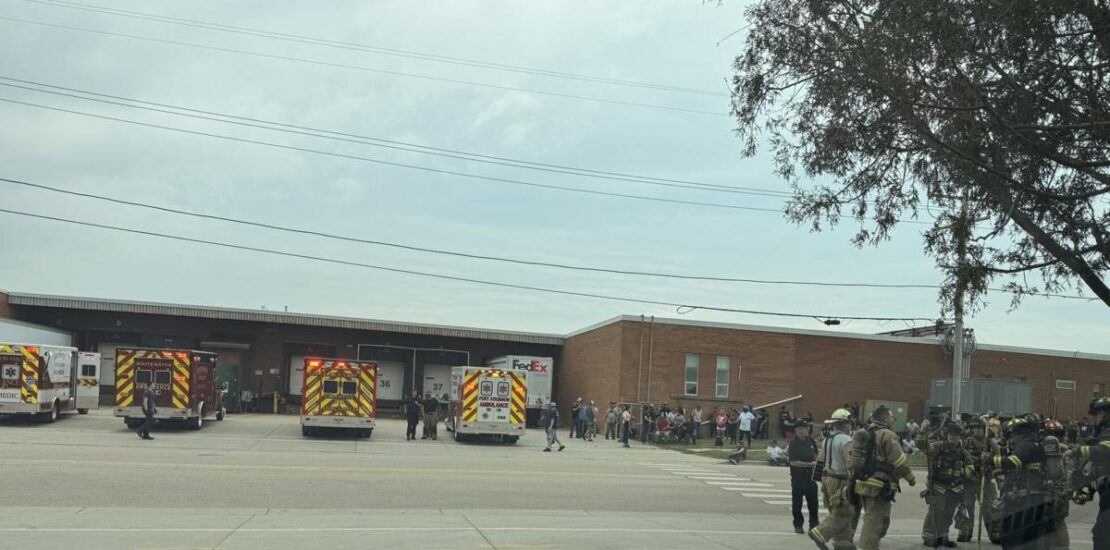
Thirteen people were hospitalized and many more treated after a dangerous carbon monoxide leak at a local business. This incident serves as a reminder of how quickly harmful conditions can arise in workplaces and the importance of acting quickly in emergencies.
Emergency Response and Hospitalization
On Monday afternoon, the Fort Atkinson Fire Department received a report of a strange odor inside Creative Packaging. This prompted the immediate dispatch of firefighters to monitor air quality in the building. Upon arrival, they detected elevated levels of carbon monoxide (CO), a colorless and odorless gas that can be extremely harmful.
Around 150 employees were promptly evacuated to ensure their safety. Emergency crews conducted evaluations for carbon monoxide poisoning and eventually transported 13 individuals to two nearby hospitals. Fortunately, all affected employees are expected to recover. In addition, 14 other individuals were treated on the scene and released without further complications. Thankfully, no firefighters were injured during the response.
Early Detection Saves Lives
Fire Chief Bruce Peterson emphasized the importance of early detection in preventing potentially life-threatening situations. “This incident highlights how quickly carbon monoxide can affect a large number of people in an industrial setting,” he mentioned. Thanks to the quick action of employees who recognized the issue and notified emergency responders, firefighters were able to act swiftly, evacuating the building efficiently and ensuring medical evaluations for those affected.
Carbon monoxide is particularly dangerous because it can lead to unconsciousness and even death without immediate intervention. The quick thinking of the workers played a crucial role in minimizing harm in this case.
Identifying the Source
Following the evacuation, the Fort Atkinson Fire Department worked diligently to ventilate the building. They even enlisted the help of an air boat from the Lake Mills Fire Department to expedite the ventilation process. After ensuring that carbon monoxide levels returned to safe levels, firefighters focused on identifying the source of the leak.
Investigations revealed that a malfunctioning propane-powered forklift was to blame. The company is working closely with officials to determine the exact cause of the malfunction. In industrial settings, equipment maintenance is key to preventing such incidents from occurring.
Lessons Learned from the Incident
This incident serves as a valuable lesson about the dangers of carbon monoxide in industrial environments. Regular training for employees on recognizing hazards can make all the difference in an emergency. Employers also importantly need to maintain equipment properly to avoid failures that could put workers at risk.
Additionally, this situation reinforces the necessity of having emergency plans and evacuation procedures in place. The swift reaction to the smell and subsequent alert to authorities helped prevent a more tragic outcome.
What this means for you
For the average person, incidents like this emphasize the importance of workplace safety and emergency preparedness. If you ever need to review safety procedures or emergency plans at your job, legal-document-to-plain-english-translator/”>AI legalese decoder can help decode the fine print in safety contracts or liability waivers you might encounter. Always be aware of your environment, and don’t hesitate to speak up if something feels wrong. Staying informed can help protect you and your coworkers.
Need to decode legal language? Try the free AI Legalese Decoder — no registration required.

 ****** just grabbed a