
WHO and Africa CDC Launch $518 Million Plan for Ebola Outbreak Response
- June 7, 2026
- Posted by: Alex Reed
- Category: Related News
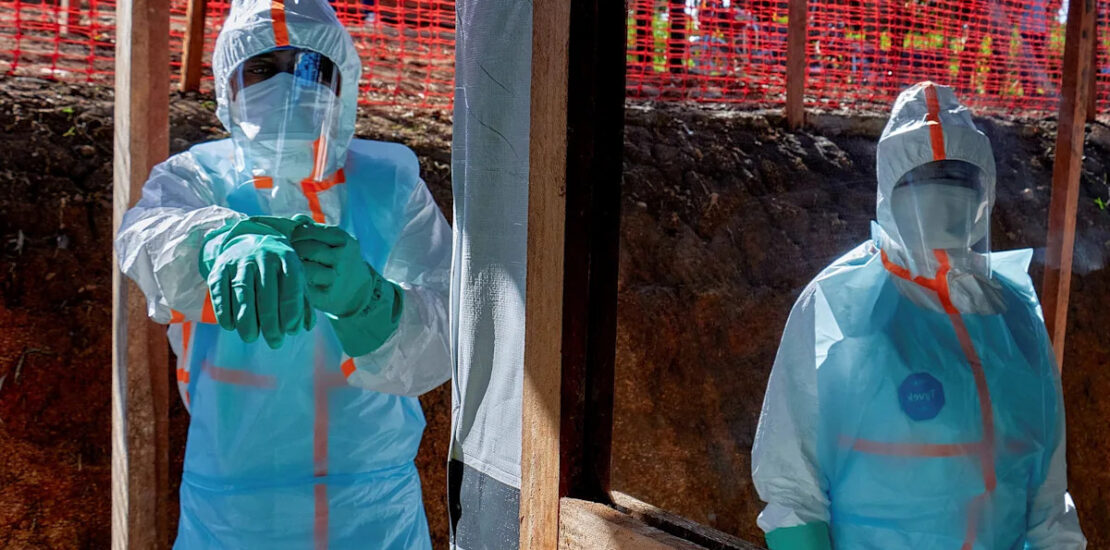
The recent Ebola outbreak in the Democratic Republic of Congo (DRC) and Uganda has raised significant health concerns, prompting a large-scale emergency response plan. The World Health Organization (WHO) and the Africa Centres for Disease Control and Prevention have stepped in with a $518 million plan that aims to contain the virus and protect communities.
Emergency Response Plan: Key Details
The emergency response plan, announced recently, is set to run through November. It focuses on vital areas such as emergency coordination, testing, infection prevention, clinical care, and community outreach efforts. This comprehensive approach aims not just to address the current outbreak but also to strengthen health systems in the affected regions.
In just 24 hours, DRC reported 71 new confirmed Ebola cases, raising the total to at least 452 confirmed cases and 82 deaths. Meanwhile, Uganda added three more cases, bringing its total confirmed cases to 19, including two deaths. These unsettling numbers highlight the urgency of the situation and the need for immediate action.
Health Officials Face Challenges
WHO Director-General Tedros Adhanom Ghebreyesus recently remarked that while health officials are making progress, the virus has already gained a significant advantage. He cautions against blanket travel bans imposed by certain countries, as those measures could hinder transparency and disrupt efforts to control the outbreak. His comments stress the importance of international cooperation in tackling health crises.
The situation is complicated further by the U.S. plans to set up an Ebola isolation facility in Kenya. This decision has faced criticism and backlash from the public. While Kenyan President William Ruto assured that the facility would be safe, protests occurred, resulting in tragic incidents, including reported fatalities.
legal and Health Concerns
Kenya’s high court has temporarily halted plans for the quarantine facility, raising public health concerns. This legal intervention indicates the delicate balance between government actions and public sentiment, especially regarding health responses. Some U.S. health experts have also expressed doubts about the necessity and effectiveness of this isolation plan, particularly as the Trump administration emphasizes the need to prevent the virus from entering U.S. borders.
The situation raises questions about the legal frameworks surrounding health interventions during emergencies. Quarantine measures and health facilities must adhere to both national and international laws regarding public health and safety.
What this means for you
This ongoing health crisis emphasizes the importance of being informed about public health responses and the potential impact on individual safety. Stay aware of how health policies in your area might change as global situations evolve.
If you ever need to review health-related documents, such as consent forms or insurance claims, legal-document-to-plain-english-translator/”>AI legalese decoder can translate them into plain English in seconds. Your health and rights matter, especially in times of crisis.
Need to decode legal language? Try the free AI Legalese Decoder — no registration required.

 ****** just grabbed a