
Grand Ronde Moves Forward with Redevelopment of Blue Heron Site
- June 6, 2026
- Posted by: Alex Reed
- Category: Related News
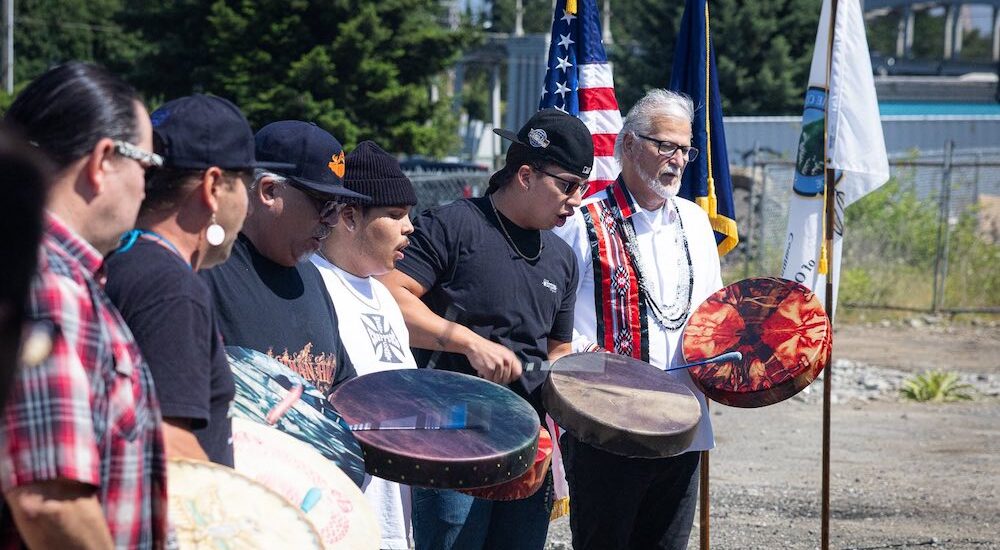
The revitalization of the Tumwata Village project by the Confederated Tribes of Grand Ronde is a pivotal development not just for the tribe, but for the surrounding community and the environment as a whole. This initiative is more than just construction; it represents a cultural renaissance and an economic opportunity that could reshape the area for generations to come.
Bringing Back Ancestral Lands
In 2019, the Confederated Tribes of Grand Ronde purchased a 23-acre site near Willamette Falls for $15.25 million. This site was once a significant gathering place for Chinookan tribes and held deep cultural value. Tribal leaders see this redevelopment as a way to reconnect with their history and restore their relationship with the land.
Cheryle Kennedy, chairwoman of the tribe, explains that the project is about healing. “It heals our souls to be able to walk on the lands and to be able to fish from the lands,” she stated. The demolition of old industrial buildings and the restoration of the riverfront area are key aspects of this effort. The site had suffered from years of industrial use, which left contamination and aging structures. However, the tribe aims to transform this area into a mixed-use district that will provide housing, commercial activities, and public access to the river.
A Sustainable Future Takes Shape
The first phase of the project focuses on essential infrastructure to support future development. This includes new streets, sidewalks, and utilities that will create a framework for both a residential building with 55 units and a commercial space of 12,000 square feet. Ryan Webb, the tribe’s engineering and planning manager, states that the initial phase is projected to last just over a year, setting the stage for further developments by summer 2027.
Significant funding sources are backing this project. The Environmental Protection Agency issued an $800,000 grant as part of its Brownfields program to aid cleanup efforts. The tribe also received a $12.5 million allocation from Oregon’s lottery fund, along with a pending application for nearly $10 million through the U.S. Department of Transportation’s Better Utilizing Investments to Leverage Development program.
This financial support reflects a collaborative effort involving various tribal, federal, state, and regional entities. By securing multiple funding streams, the tribe is better positioned to fulfill its ambitious vision for Tumwata Village.
Ecological Restoration and Community Access
The groundwork for this project involves more than just buildings; it’s about restoring the ecosystem. The tribe aims to remove manmade fill that has blocked natural waterways. This will allow the river to flow back into the land, reconnecting the community with its biological roots. These efforts include habitat restoration and the planting of native species to ensure a healthy environment for future generations.
Moreover, the project prioritizes public access. Plans include creating trails, viewing areas, and other ways for visitors to engage with the land. The tribe encourages both its members and the broader community to return to a site that has remained closed off for many years. “Public access was the driver in allowing people back to the land to experience the river, to experience the falls,” Webb mentioned, highlighting the intent to foster a collective sense of belonging.
A Long Road Ahead
The full scale of the Tumwata Village redevelopment is expected to unfold over at least a decade. Tribal leaders acknowledge the complexity of rebuilding on such a culturally significant yet industrially tainted site. This long timeline reflects not only the scale of the work but also the deep importance of reconnecting with ancestral lands.
The landscape of Tumwata Village will eventually house residential and commercial developments, inviting greater community interaction. Current proposals already suggest a mix of retail, office spaces, and hospitality offerings. This vision allows for flexibility in how the tribe moves forward, ensuring that future phases align with both community needs and cultural significance.
What this means for you
The Tumwata Village project illustrates the valuable intersection of community development and cultural restoration. For individuals encountering contracts related to property, commercial leases, or public use agreements, understanding the fine print is crucial. If you ever need to review leasing agreements or similar documents, legal-document-to-plain-english-translator/”>AI legalese decoder can translate it into plain English in seconds. This way, you can stay informed and empowered in your engagements with local developments.
Need to decode legal language? Try the free AI Legalese Decoder — no registration required.

 ****** just grabbed a