
Lawmakers Focus on Tech, AI, and Crypto Amid Industry Rule Changes
- June 6, 2026
- Posted by: Alex Reed
- Category: Related News
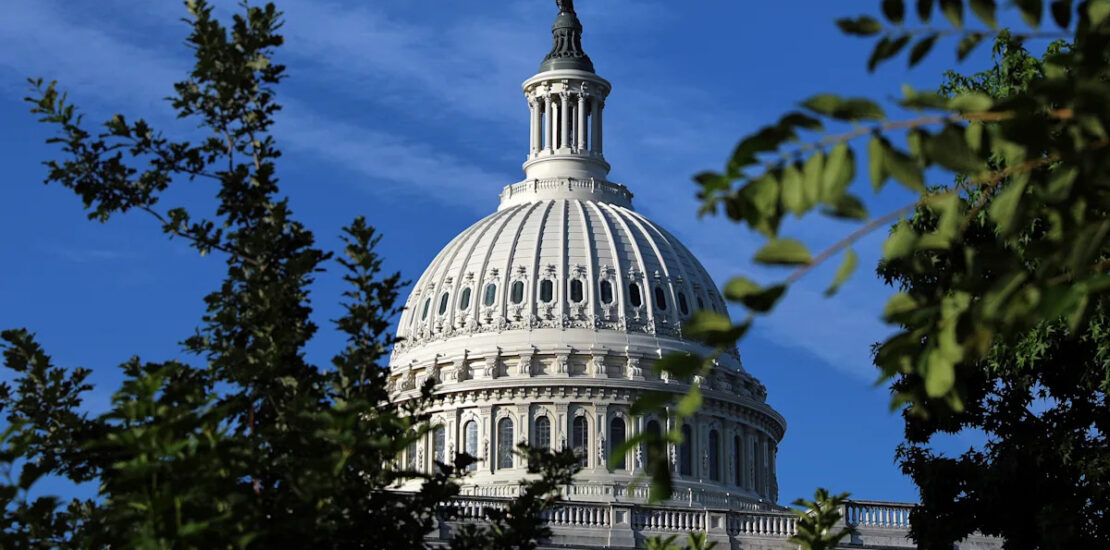
As artificial intelligence (AI) and cryptocurrency become front-page news, many Americans may not realize how closely their lawmakers’ investments align with these hot topics. The stock portfolios of Congress members have taken a significant turn, revealing lucrative investments in technology and digital currencies.
Tech Stocks: A Growing Preference
Recent data shows that U.S. lawmakers have invested more than $270 million directly in leading tech stocks. This amount does not include tens of millions more invested indirectly through funds that track the market. In fact, seven out of the eight most popular stocks among lawmakers are technology companies. Nvidia has emerged as a particularly favored stock, representing around $43 million in lawmakers’ portfolios. Other tech giants like Apple, Alphabet, and Microsoft also hold significant shares, each in the tens of millions.
This shift marks a notable change from previous years, when tech investments were largely limited to Democrats. Now, lawmakers from both major political parties are heavily engaged in the tech sector. This influx into technology not only reflects a booming industry but also highlights where lawmakers might prioritize legislative efforts.
Cryptocurrency Interest Rising
The trend isn’t limited to tech stocks. Cryptocurrency investments are also on the rise, especially among Republican lawmakers. Increased interest in Bitcoin and other digital currencies indicates a growing embrace of technology in more conservative circles. Financial experts, including Dan Weiskopf, co-portfolio manager of a dual-ETF system, confirm that Republican interest in Bitcoin has significantly increased, even leading to adjustments in investment strategies.
This rising interest in economic sectors that are sometimes viewed with skepticism illustrates a broader acceptance of cryptocurrency within certain political factions. While Congress works on regulations for digital assets, such as the upcoming CLARITY Act, the focus on cryptocurrencies from lawmakers suggests they see potential benefits.
Implications of Political Investments
As lawmakers ramp up their financial stakes in these technology sectors, critical legislation is also in motion. The upcoming CLARITY Act aims to provide a regulatory framework for digital assets, almost certainly laying the groundwork for how cryptocurrencies will be managed in the future. Additionally, discussions around AI legislation are set to unfold soon, focusing on security risk disclosures and how they can be standardized across various states.
The significant overlap between political discussions and personal financial interests raises eyebrows regarding conflicts of interest. While some advocates demand stricter regulations on lawmaker investments, substantial progress on this front has been sluggish. This scenario represents a complex interplay of finance and politics that affects both policymakers and the general public.
What this means for you
The current alignment of lawmakers’ investments with the tech and cryptocurrency sectors offers insights into potential regulatory futures that could impact everyday citizens. As Congress continues to navigate these industries, it’s essential for individuals to stay informed.
If you ever need to review your own investments or any financial disclosures, legal-document-to-plain-english-translator/”>AI legalese decoder can help translate it into plain English in seconds. Understanding the risks and benefits of your financial choices can better prepare you for what may come next.
Need to decode legal language? Try the free AI Legalese Decoder — no registration required.

 ****** just grabbed a