
Cepeda and de la Espriella Progress in Colombia’s Presidential Race
- May 31, 2026
- Posted by: Alex Reed
- Category: Related News
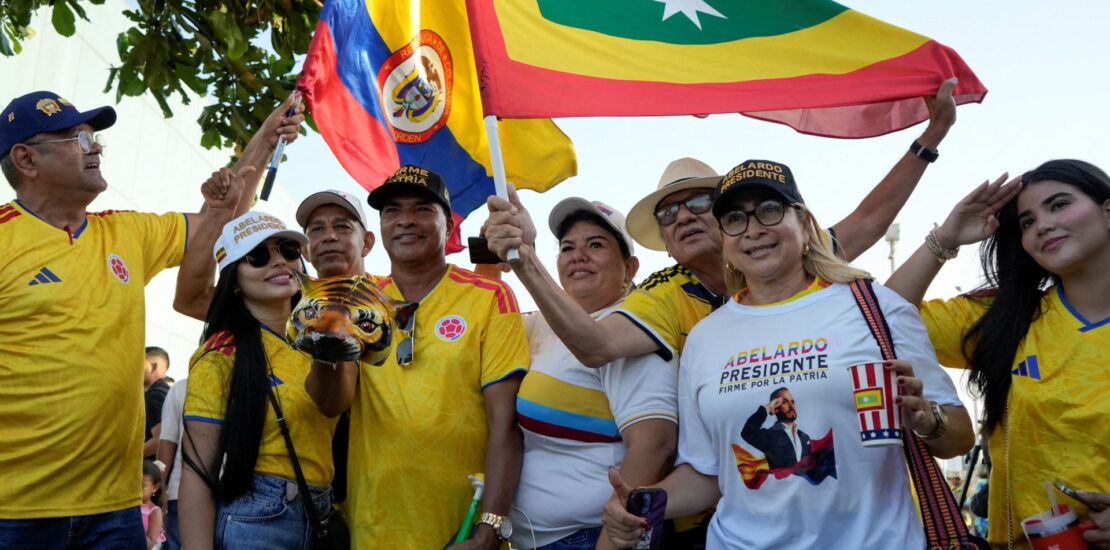
Voters in Colombia now face a critical decision as the country inches closer to a pivotal presidential election run-off. The election has brought a wave of change, spotlighting the stark contrasts between candidates and what they represent for the future of the nation.
A Clash of Political Ideologies
Far-right candidate Abelardo de la Espriella and left-wing Senator Ivan Cepeda have emerged as the final contenders for the presidency. On Sunday, 43% of voters supported de la Espriella, while 40% backed Cepeda, with both candidates unable to hit the 50% mark needed for an outright victory. This outcome has set the stage for a face-off on June 21, intensifying the drama surrounding Colombia’s political landscape.
De la Espriella’s campaign took on an “outsider” persona, appealing to voters concerned about crime and security. As a businessman and lawyer lacking prior political experience, he has positioned himself as a voice for change, echoing strategies that fueled recent outsider candidates in Latin America. On the other hand, Cepeda comes from a long legacy of political involvement; his father was a senator assassinated due to political violence. With years of experience under his belt, Cepeda’s campaigning focuses more on dialogue and negotiation to address Colombia’s long-standing issues.
Security Concerns Take Center Stage
The backdrop of this election is Colombia’s enduring internal conflict, a struggle that has lasted for over six decades. Both candidates have distinct approaches to dealing with security concerns that voters overwhelmingly prioritize. While Cepeda advocates for a diplomatic solution, aligning with current President Gustavo Petro’s “Total Peace” policy, De la Espriella endorses a more militaristic tough-on-crime stance. He proposes to build megaprisons and has made bold threats similar to those of authoritarian leaders in the region.
De la Espriella’s rhetoric echoes that of other hardline leaders, emphasizing that a forceful approach is necessary for real change. This has sparked concern among many citizens, with fears that such methods may lead to unlawful actions and take away fundamental legal protections for arrested individuals.
Political Landscape and Challenges Ahead
Over 23.6 million Colombians participated in the voting on Sunday, though many ballots were blank or annulled, highlighting potential discontent with the candidates. De la Espriella garnered about 10.3 million votes, while Cepeda received approximately 9.7 million. This split leaves Cepeda facing challenging odds in the upcoming run-off, as the right-wing is likely to unite behind De la Espriella. The current political atmosphere suggests that if left-leaning candidates do not rally their supporters effectively, they may experience another setback similar to others in the region, where leftist governments have recently been replaced by right-wing candidates.
De la Espriella concluded his electoral messaging with a promise to “defeat tyranny,” aiming to capture the sentiment of those desiring swift and decisive change. The upcoming weeks will be critical for Cepeda, who must galvanize support among a fragmented electorate.
What this means for you
The outcome of these elections could shape Colombia’s response to pressing issues such as security, crime, and political reform. If you ever need to review a document related to employment contracts, AI legalese decoder can help decode the fine print for you in seconds. Pay close attention to the results; they might influence broader trends in governance across the region.
Need to decode legal language? Try the free AI Legalese Decoder — no registration required.

 ****** just grabbed a