
SBA Launches Recovery Center on Saipan for Small Business Aid
- May 24, 2026
- Posted by: Alex Reed
- Category: Related News
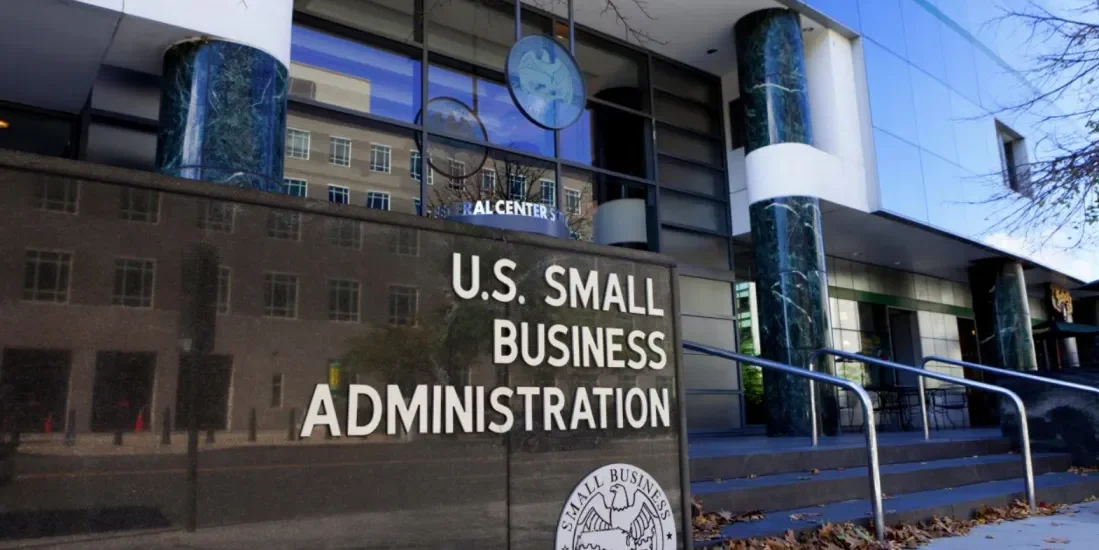
The recent opening of a Business Recovery Center in Saipan is crucial for local businesses and residents impacted by Super Typhoon Sinlaku. This service offers essential support to those struggling to recover from the storm’s destruction, making it relevant for anyone affected.
Support for Affected Communities
On May 26, the U.S. Small Business Administration (SBA) launched a Business Recovery Center on Saipan to aid businesses, private non-profits, and residents after the devastating Super Typhoon Sinlaku. The center will provide a vital resource where individuals can learn about disaster loan options and the recovery process in person. This initiative allows for flexibility; walk-ins are welcome, or individuals can schedule appointments through the SBA website.
Located in the Marianas Business Plaza, the Recovery Center opens its doors at 9 a.m. on weekdays. Here, SBA customer service representatives will be available to answer questions and assist with the disaster loan application process. This type of support is crucial as many businesses and homes have suffered significant damage from the typhoon.
Types of Loans Available
Eligible businesses and non-profit organizations can apply for business physical disaster loans to repair or replace assets destroyed by the storm. The SBA allows borrowers to request up to $2 million for essential repairs to real estate, equipment, and inventory. This support helps businesses get back on their feet and ensures that they can continue serving their communities.
The SBA also offers an Economic Injury Disaster Loan (EIDL) program. This program is designed for small businesses and some non-profits lacking physical damage but still experiencing financial strain due to the disaster. EIDL loans can help cover costs that might include payroll, rent, and other bills that became tough to manage because of the typhoon’s impact.
Homeowners and Renters Assistance
For homeowners and renters, the SBA provides home and personal property loans to replace or repair necessary personal belongings damaged in the storm. Individuals can borrow up to $100,000 for personal property and up to $500,000 for damage to their primary residence.
Interest rates for these loans are competitively low, reaching as little as 2.875% for homeowners and 3.625% for non-profits. Borrowers will not have to start paying back these loans for a full year after the funds are disbursed, providing some breathing room during recovery.
How to Get Help
For those looking to access these loans or seek additional assistance, the SBA has made it easy to apply. Potential applicants can visit sba.gov/disaster to apply online. The SBA has also established a Customer Service Center that can be reached at (800) 659-2955 for any questions.
Additionally, there are set application deadlines. For those applying for physical property damage, the deadline is June 22, while economic injury applications are due by January 25, 2027. It’s important for individuals to take action soon to secure the help they need.
What this means for you
If you are a business owner affected by recent disasters, it’s vital to explore the available loan options to support your recovery. Knowing how to interpret loan agreements is essential; if you ever need to review such documents, legal-document-to-plain-english-translator/”>AI legalese decoder can help decode the fine print quickly and effectively.
Need to decode legal language? Try the free AI Legalese Decoder — no registration required.

 ****** just grabbed a