
Advocacy Proposes Enhancements for the Nationwide Permit Program
- May 20, 2026
- Posted by: Alex Reed
- Category: Related News
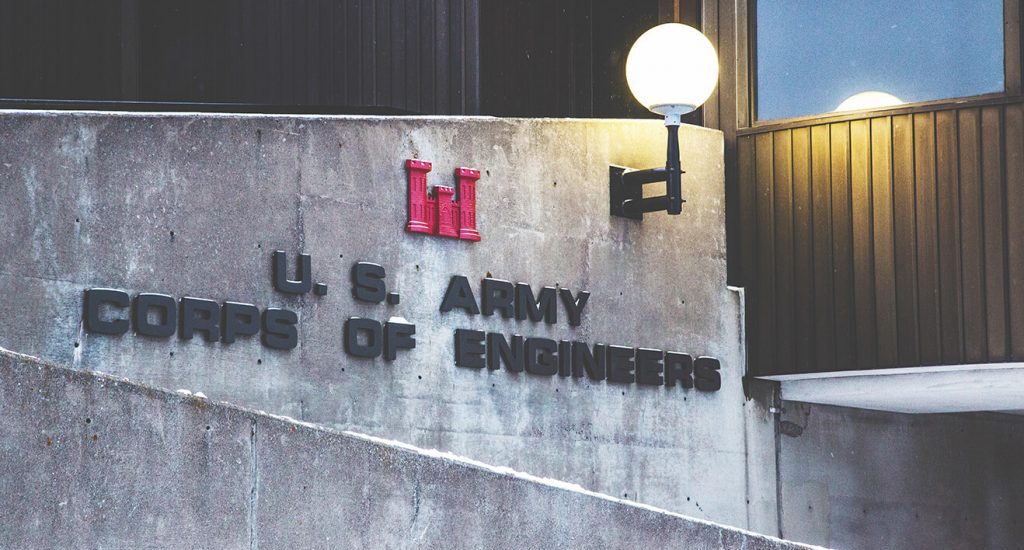
The U.S. Army Corps of Engineers is looking to improve its nationwide permit program, and this matters because it could affect small businesses, environmental health, and local projects. When small projects can move forward more easily, it benefits the economy and helps communities thrive.
The Nationwide Permit Program Explained
The nationwide permit program (NWP) allows for certain activities with minimal environmental impact to proceed without the lengthy process of obtaining individual permits. This makes it easier for businesses and individuals to complete projects that meet specific criteria. Essentially, NWPs streamline the permitting process for activities that won’t significantly impact the environment.
Small businesses often rely on NWPs because they can reduce costs and save time compared to applying for individual permits. When a project is approved under an NWP, it can proceed more quickly, allowing small business owners to focus on their core operations rather than navigating complex regulations.
The Corps’ recent request for recommendations is an opportunity for all stakeholders to provide input on how the NWP process can be improved. This input is crucial to making the program more effective and responsive to the needs of the community.
Small Businesses and the NWP
Advocacy groups emphasize that small businesses find NWPs particularly valuable for projects that involve minimal environmental disruption. These permits can cover a wide range of activities, making life easier for those who may not have the resources to handle a lengthy permitting process.
To optimize the NWP program, the Corps has received suggestions to reconsider current acreage limits and mitigation thresholds. The idea is to make sure these limits support small projects while still protecting the environment. By addressing these thresholds, the Corps can help enable more local development and improvements.
Advocacy also stresses the need for minimal disruption to projects that have been approved but are still in progress when permit renewals occur. Reducing interruptions can play a significant role in helping projects complete on time and within budget.
Looking Ahead: Continued Conversation
As the Corps collects recommendations, it aims to engage in a dialogue with small businesses and other stakeholders. This ongoing conversation is crucial for ensuring that the needs of local communities shape the future of the NWP program.
Advocacy groups are optimistic about their collaboration with the Corps, believing that the feedback they provide can lead to effective changes. Their insights are essential for creating a more accessible permitting process that still meets environmental standards.
This open communication is an important step towards enhancing the NWP program. For small businesses, this means potential cost-saving measures and smoother project approvals.
What this means for you
Improving the NWP program can foster economic growth in your community by helping local businesses complete projects more efficiently. If you ever need to review environmental permits, legal-document-to-plain-english-translator/”>AI legalese decoder can translate it into plain English in seconds. Keep an eye on these developments; they could impact projects in your area down the line.
Need to decode legal language? Try the free AI Legalese Decoder — no registration required.

 ****** just grabbed a