
Innovative Fish-Friendly Architecture Emerges in the Gulf Region
- May 18, 2026
- Posted by: Alex Reed
- Category: Related News
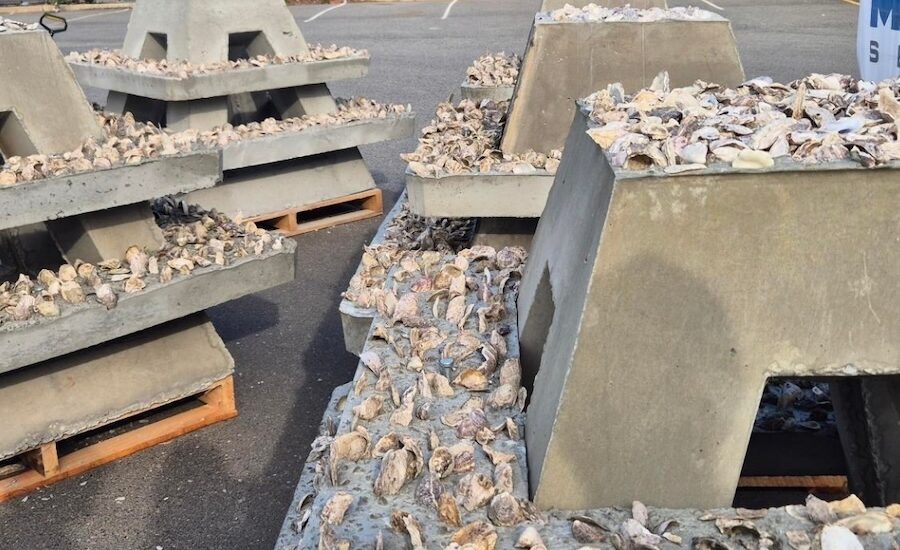
The establishment of new artificial reefs in Gulf St Vincent marks a significant step towards restoring marine ecosystems affected by harmful algal blooms. For everyday people, this effort is vital as it directly impacts local fish populations, biodiversity, and recreational fishing opportunities, which can boost the economy and enhance community well-being.
Restoring Marine Life
This month, two artificial reefs are set to be built off the coast of Wirrina on the Fleurieu Peninsula and in Nepean Bay by Kangaroo Island. These reefs are designed to help restore fish stocks, increase biodiversity, and provide better recreational fishing experiences. Constructed with concrete modules that mimic natural coral structures, these artificial reefs aim to turn previously impacted areas into thriving marine ecosystems.
The new reefs will create hard surfaces where marine species can settle. Over time, they should support the recovery of various fish, including kingfish, mulloway, and snapper, as well as cephalopods like squid and octopus. By enhancing these fisheries, local anglers could see increased catches in the future, making the reefs not just crucial for marine life, but also for the local economy.
Government Investment for Recovery
A combined investment of $600,000 from the Malinauskas and Albanese Labor Governments is making this project possible. This funding supports RecFish SA, the organization responsible for planning and implementing the reefs, as part of a broader $162.5 million initiative aimed at combating the effects of algal blooms in South Australia.
The artificial reefs are intended to act as care measures to ensure the recovery of fish stocks in popular recreational fishing areas. Once the reefs are established, they are expected to become significant attractions for fishers, contributing to tourism and economic activity in coastal communities.
Long-Term Monitoring and Restrictions
To facilitate the establishment of these underwater habitats, fishing will be prohibited in the new reef areas for at least a year after installation. This restriction allows marine life time to adapt to their new homes and thrive. Both sites will undergo continuous monitoring, providing important data on their development and effectiveness in restoring the marine environment.
The insight gained will not only help improve future reef projects but also help inform other ecological recovery efforts in South Australia. The ongoing partnership between government bodies, scientists, and local communities underpins the project’s design and implementation.
Community Support and Future Benefits
Community involvement is crucial to the success of these artificial reefs. Organizations like RecFish SA emphasize working together with recreational fishers, local residents, and volunteers to observe how these underwater communities evolve over time. This collaborative approach can enhance not only fishing conditions but also the health of the oceans.
As the importance of these reefs grows over the years, they are sure to serve as landmarks both for local wildlife and fishing communities, providing spaces where biodiversity can flourish and fishermen can thrive. This proactive strategy is rooted in a shared responsibility for the health of marine ecosystems.
What this means for you
The establishment of artificial reefs highlights the importance of marine conservation efforts and the balance between ecological health and community needs. It is also a reminder that if you ever need to review any legal documents related to environmental permits or agreements for such projects, legal-document-to-plain-english-translator/”>AI legalese decoder can translate it into plain English in seconds. Protecting our oceans ensures future generations can enjoy recreational activities and the economic benefits they bring.
Need to decode legal language? Try the free AI Legalese Decoder — no registration required.
Source: https://www.marinebusinessnews.com.au/2026/05/fish-friendly-architecture-in-the-gulf/

 ****** just grabbed a