
Small Business Owners: A Crucial Voting Block for Republicans in 2026
- May 12, 2026
- Posted by: Alex Reed
- Category: Related News
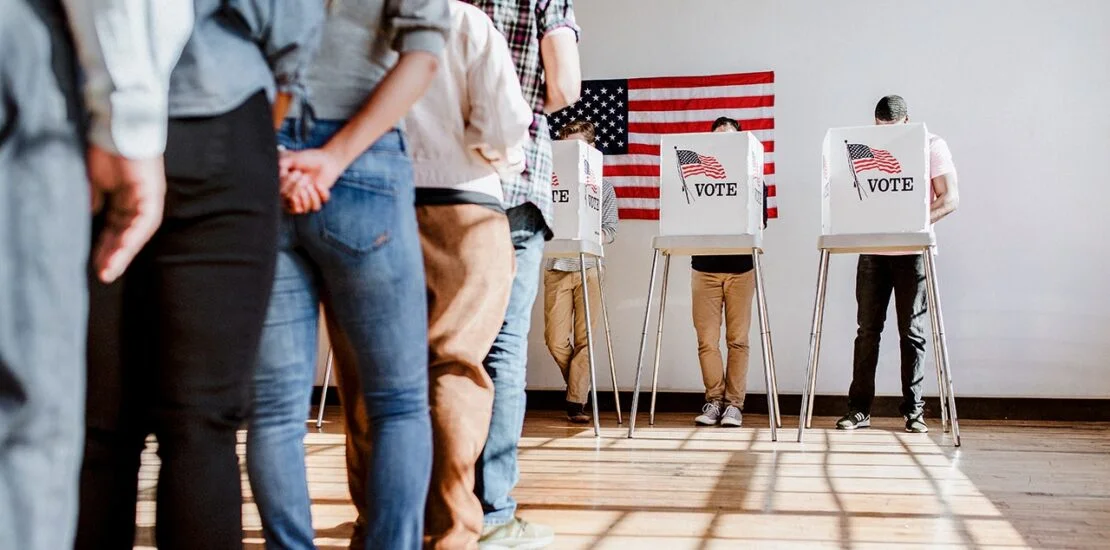
The upcoming midterms could hinge on a surprising group: small business owners. With the White House recently launching National Small Business Week, these entrepreneurs are now more vital than ever in shaping political outcomes.
The Power of Small Businesses in America
Small businesses are not just a slice of the economy; they are the backbone of it. There are over 36.8 million small businesses in the U.S., defined as companies with 500 employees or fewer. When you consider their impact, the numbers speak volumes. Small businesses employ 46% of the private sector workforce, which translates to more than 62 million jobs. Additionally, around 96% of these businesses operate with fewer than 10 employees, ranging from family-owned grocery stores to local law firms.
Beyond providing jobs, small businesses are significant innovators. Companies with just five to nine employees produce more patents per employee than any other segment. They are also leading the charge in reindustrialization, with an impressive 98% of all U.S. manufacturers falling into the small business category. Their contributions to the economy are immense, and ignoring them could mean overlooking a massive voting demographic.
The Challenges Faced by Small Business Owners
Despite their critical role, small business owners face considerable challenges. The Tax Foundation reports that federal, state, and local taxes can swallow up 20-30% of their earnings. Compliance with tax and regulatory requirements also costs these entrepreneurs dearly. Many small business owners spend more than $10,000 annually just to meet these obligations. On average, they dedicate about 200 to 300 hours a year—equivalent to 32 full business days—just to keep up with compliance tasks.
The financial strain is real. Many small businesses benefitted from tax reforms introduced during the Trump administration, which included incentives like a raised Section 179 expensing cap and a permanent 20% Qualified Business Income deduction. A rollback of these reforms could worsen the economic outlook for small businesses, triggering a ripple effect on their operations and the jobs they provide.
The Political Implications of Small Business Ownership
Given their economic significance, it’s not surprising that small business owners may lean towards specific political ideologies. Recent studies reveal that entrepreneurs are nearly 18 percentage points more likely to vote Republican compared to non-business owners. Their real-life experiences—confronting issues like high taxes and overregulation—shape their political perspectives.
This trend presents a ripe opportunity for the Republican Party. By mobilizing small business owners, there is a chance to solidify this group as a core constituency. Strategies may include emphasizing the benefits that small businesses have enjoyed from past tax policies and highlighting the importance of entrepreneurial spirit as a major contributor to the American economy.
Building Connections for Future Elections
As we approach the midterms, the political landscape may change dramatically based on small business dynamics. An effective campaign could involve directly addressing small business owners and showing them how current policies impact their bottom line. Republicans could aim to create an information campaign tailored to these entrepreneurs, demonstrating how tax reforms have aided their growth.
Furthermore, the Republican Party could extend its outreach to include diverse small business owners, encouraging them from all backgrounds to engage politically. By creating a coalition of shared interests—ranging from tax relief to support for small business innovations—the party could effectively unite this crucial voting block.
What this means for you
For the average person, the dynamics of small business ownership can impact your local economy and job market. If you ever need to review employment contracts or other business agreements, legal-document-to-plain-english-translator/”>AI legalese decoder can help decode the fine print so you fully understand your rights and obligations. Understanding these connections can empower you to get involved in the political dialogue that shapes your community.
Need to decode legal language? Try the free AI Legalese Decoder — no registration required.
Source: https://www.foxnews.com/opinion/trumps-tax-cuts-hand-republicans-killer-argument-midterms

 ****** just grabbed a