
Exploring Recent Trends in Seattle’s Architecture and Engineering Industry
- May 11, 2026
- Posted by: Alex Reed
- Category: Related News
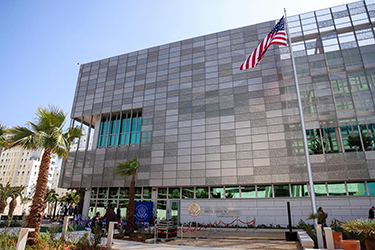
A new U.S. consulate general has opened in Casablanca, Morocco, and it’s more than just a building. This state-of-the-art facility not only represents American diplomacy but also embodies a commitment to sustainable design, blending modern architecture with Moroccan traditions.
A Commitment to Sustainability
The brand-new U.S. consulate, designed by the Seattle-based firm Miller Hull Partnership, has a price tag of $282 million. This investment is not just about aesthetics or functionality; it highlights a growing emphasis on environmentally sustainable architecture. The design features a perforated stainless-steel facade, which serves a practical purpose: it helps to keep the interior spaces cool. This is crucial in Morocco’s hot climate, where energy efficiency can significantly lower operational costs.
Sustainability in building design is increasingly important as we face climate change. By utilizing materials and techniques that reduce energy consumption, the consulate not only represents American interests abroad but also sets an example for sustainable practices. Visitors can enjoy a modern facility while being part of a broader conversation about environmental responsibility.
Architectural Highlights
The design of the consulate integrates Moroccan architectural styles with contemporary design principles. This blend reflects respect for local culture while meeting modern functional needs. The combination of tradition and innovation may offer insights into how diplomacy can be enhanced through architecture. A well-designed space can foster collaboration and communication, making it a vital part of international relations.
In addition to energy-efficient features, the building’s layout encourages interaction among its staff. Open spaces and thoughtful arrangement of offices are meant to promote a collaborative work environment. This can lead to improved diplomacy efforts, as staff from diverse backgrounds engage in meaningful exchanges.
Significance for the Local Community
Beyond its role in diplomacy, the new consulate also has implications for the local economy. Such large-scale projects often create job opportunities during construction and beyond. Those positions can range from skilled labor to administrative roles once the consulate is operational.
Moreover, this consulate may enhance Casablanca’s international profile. As a key U.S. diplomatic presence in North Africa, it can stimulate interest from American businesses looking to invest in the region. This can lead to economic growth and development, benefiting both locals and Americans alike.
A Step Toward Modern Diplomacy
The opening of the Casablanca consulate is part of a broader trend in diplomatic architecture. Just as countries invest in modern facilities, they are also embracing designs that reflect their values and priorities. The careful attention to sustainability and local culture could help foster better international relations currently and in the future.
As this consulate takes shape, it will stand as a testament to how modern diplomacy can blend with cultural sensitivity and environmental stewardship—a model that could inspire future diplomatic buildings around the world.
What this means for you
The opening of this new consulate illustrates the evolving role of diplomatic buildings in fostering international relations and economic growth. It serves as a reminder that even administrative facilities can have a design philosophy rooted in sustainability and community engagement. If you ever need to review documents like lease agreements for office spaces, legal-document-to-plain-english-translator/”>AI legalese decoder can help translate it into plain English in seconds.
Need to decode legal language? Try the free AI Legalese Decoder — no registration required.

 ****** just grabbed a