
Pharmacy Owners Urge State Action to Support Small Businesses
- May 9, 2026
- Posted by: Alex Reed
- Category: Related News
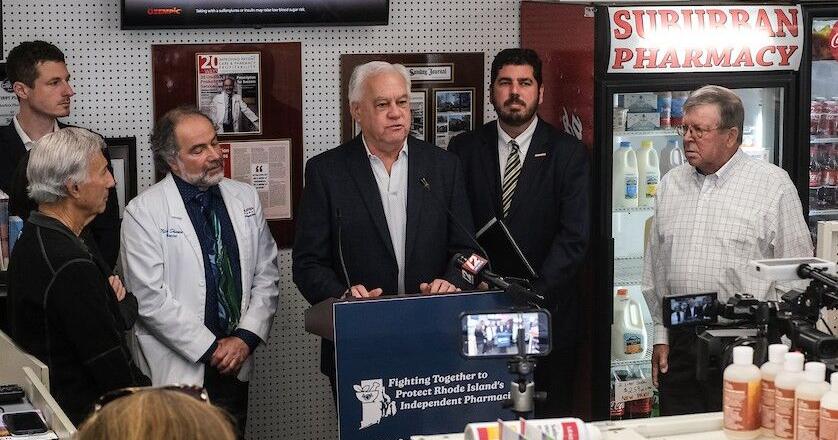
Two independent pharmacies in Westerly, Rhode Island, are taking a stand against practices that, they claim, hurt both small businesses and consumers. This issue matters because it highlights how larger pharmaceutical companies can affect the prices and availability of medications you rely on.
The Struggle of Independent Pharmacies
McQuades Pharmacy and Seaside Pharmacy are leading a campaign focused on reforming pharmacy benefit managers (PBMs). PBMs are intermediaries that negotiate prices between pharmacies and health insurers. However, according to the owners of these pharmacies, PBMs disproportionately favor larger chain pharmacies at the expense of smaller, independent operations. This campaign is linked to a lawsuit filed by Attorney General Peter Neronha against CVS Caremark, Express Scripts, and Optum Rx, the three largest PBMs in the United States.
The suit accuses these companies of acting in ways that are “coercive, exploitative, collusive, and predatory.” Specifically, it claims PBMs pressure independent pharmacies into accepting unfair terms. This not only affects the pharmacies but also restricts consumers’ access to important medications. The lawsuit suggests that these practices have led to higher prices and limited choices in prescription drugs, particularly for essential treatments such as insulin and antidepressants.
Community Support for a Cause
In an effort to rally support, McQuades and Seaside pharmacies have launched a website, savemylocalpharmacy.org, to inform the community about these practices. The website features stories from loyal customers, demonstrating how challenges imposed by PBMs have impacted their lives. The owners and other independent pharmacy advocates are also organizing community events to raise awareness and encourage local residents to engage with state lawmakers.
Local pharmacy owners are not alone in this fight. They’ve received support from various political candidates who promise to advance the lawsuit against the PBMs if elected. For example, candidates Joe Solomon and Keith Hoffmann have expressed their commitments to support ongoing actions aimed at holding these companies accountable.
Legislative Efforts Underway
The situation has pushed lawmakers to consider several bills aimed at reforming PBMs. Two bills, H 7189 and S 2466, seek to protect independent pharmacies from getting reimbursed less than their costs for medications. Another proposed measure, H 8360, focuses on ensuring that PBMs cannot pay pharmacies below what the insurers charge for prescription drugs. This bill would also address “step therapy,” which forces patients to try cheaper medications before receiving the ones prescribed by their doctors.
Governor Dan McKee has added plans for increased PBM transparency in his budget proposal, indicating that the state government is taking this issue seriously. As scrutiny of PBM practices rises, both state and federal authorities are implementing oversight measures to curb unfair practices in the industry.
What This Means for You
This ongoing battle has significant implications for consumers who rely on their local pharmacies for medications. The focus on reform aims to ensure that independent pharmacies can continue to serve their communities competitively. If you’re ever faced with reviewing pharmacy policies or practices, remember that AI legalese decoder can help decode the fine print and make it easier to understand.
Need to decode legal language? Try the free AI Legalese Decoder — no registration required.

 ****** just grabbed a