
Trump Warns Against Iran Strikes, Cites Progress on Talks
- May 6, 2026
- Posted by: Alex Reed
- Category: Related News
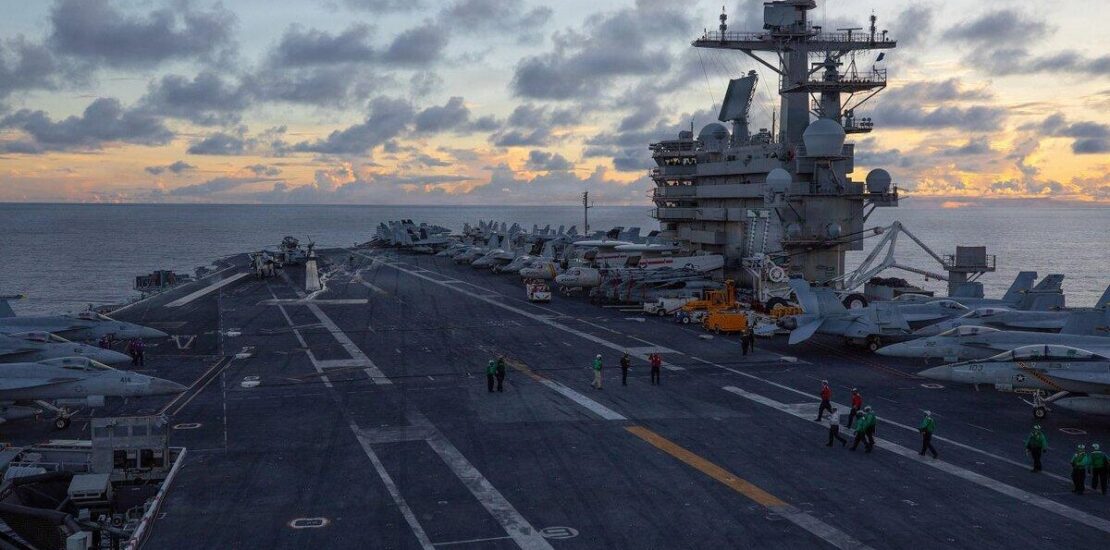
President Trump’s recent threats against Iran highlight the ongoing tension in international relations and its potential impact on everyday life. This situation underscores the reality that diplomatic disagreements can ripple through global markets, affecting everything from gas prices to international stability.
What Sparked the Threats?
On a recent Wednesday, President Trump took to Truth Social to announce that he would escalate military actions against Iran if the country does not agree to a peace deal. He warned that any further attacks would be “at a higher level and intensity” than previous military actions. This declaration came shortly after he paused a U.S. military operation called Project Freedom. This operation had just begun to guide ships through the crucial Strait of Hormuz, which has seen increased military activity from Iran in recent months.
In his post, Trump stated, “Assuming Iran agrees to give what has been agreed to… the already legendary Epic Fury will be at an end.” Although he hinted at a possible agreement, he acknowledged that it was “perhaps, a big assumption.” His statements reflect the uncertainty surrounding not only U.S.-Iran relations but also the stability of the energy markets, which are heavily influenced by this vital shipping route.
Global Impact of the Conflict
The Strait of Hormuz is a critical passage for global oil supplies, and any military action can lead to significant changes in energy prices. If the conflict escalates further, everyday consumers could see rising costs at the gas pump. Moreover, international stock markets often react to such geopolitical tensions, leading to fluctuations that can affect investments and personal finances.
The standoff has already impacted energy prices, which have surged in response to the conflict’s ongoing nature. Such volatility can make it hard for regular consumers to budget for their monthly expenses, highlighting the interconnectedness of global politics and daily life.
The Role of the U.S. Government
Secretary of State Marco Rubio provided some clarity on the military operation, declaring that Operation Epic Fury has concluded. He noted that President Trump had previously informed Congress that the objectives of that military stage had been met. The cessation of this operation raises questions about what the next steps will be for both the U.S. and Iran.
Rubio’s comments could signify a shift in the U.S. approach, focusing more on diplomacy rather than military intervention. However, the lack of specific details about what Iran has agreed to leaves many uncertainties, particularly concerning future relations and regional stability.
Public Reaction and Next Steps
As of now, Iran has not publicly responded to Trump’s comments or the reported peace negotiations. The silence raises questions about whether a peaceful resolution is achievable or if tensions will continue to escalate. Public sentiment remains divided, with many wondering how these political maneuvers will ultimately affect their lives.
The ongoing uncertainty reminds us of the importance of staying informed about international affairs and understanding how they can directly impact local economies and personal well-being.
What this means for you
The current tensions between the U.S. and Iran could lead to changes in gas prices and the overall economy, affecting your daily budget. If you ever need to review a financial agreement or any document related to your personal finances during these turbulent times, legal-document-to-plain-english-translator/”>AI legalese decoder can help translate it into plain English in seconds. Stay informed and prepared for changes that may come from international developments.
Need to decode legal language? Try the free AI Legalese Decoder — no registration required.
Source: https://www.cbsnews.com/live-updates/iran-war-trump-progress-peace-deal-strait-of-hormuz/

 ****** just grabbed a